White Gold vs Platinum: The Complete Guide for Jewelry Lovers
White gold and platinum are both popular choices for fine jewelry, but they differ in composition, durability, price, and care. In this guide we break down everything you need to know so you can pick the metal that fits your style and budget.
Quick Summary
- White gold is an alloy of yellow gold (10k, 14k, or 18k) mixed with palladium, nickel or zinc and plated with rhodium for a bright finish. The rhodium layer not only brightens the metal but also protects it from tarnishing, giving the piece a showroom‑ready shine that can last several years with proper care.
- Platinum is a pure metal (90-95% pure) that is naturally white and does not need plating. Its inherent color and high reflectivity mean that the metal itself provides the same brilliance that rhodium gives white gold, without the need for additional layers.
- Platinum is about 5‑6 times denser than gold (21.4 g/cm³ vs 13.5 g/cm³) and scores 4‑4.5 on the Mohs hardness scale, while 14k white gold scores 3‑3.5. This density difference translates into a noticeably heavier feel for platinum pieces, which many buyers associate with luxury and durability.
- White gold costs 30‑50% less than platinum; typical ring prices range from $300‑$800 for 14k white gold versus $800‑$2,000 for platinum at Gold Shield. The price gap reflects not only material cost but also the additional labor and quality controls required for platinum’s high purity.
- Both metals are hypoallergenic when nickel‑free; our 14k white gold uses palladium to avoid nickel sensitivities. This ensures that customers with metal allergies can enjoy the elegance of white gold without discomfort.

Anillo Solitario con Moissanita para Promesa o Compromiso 0.5 CT — View at Gold Shield →
What is white gold and how is it made?
White gold is simply yellow gold that has been alloyed with white metals and then rhodium‑plated. The process transforms the warm hue of pure gold into a cool, silvery tone that matches the aesthetic of platinum while retaining the softness and workability of gold.
Gold purity and alloy composition
We work with solid 10k (41.7% gold), 14k (58.5% gold) and 18k (75% gold) in our Mexican workshop. To achieve a white hue we blend the gold with palladium, zinc or a small amount of nickel, then dip the piece in a thin layer of rhodium for extra shine. For example, a 14k white gold band will contain roughly 58% gold, 20% palladium, 10% zinc, and 12% other metals, creating a balanced alloy that is both durable and visually appealing.
Rhodium plating process
The plating is applied in a vacuum chamber at 1‑2 microns thick. It gives the metal a mirror‑like finish but will wear off over time, revealing the slightly yellowish undertone of the alloy. Re‑plating is easy and part of our after‑care service. In practice, a customer who has worn a 14k white gold wedding band for five years may notice a subtle dulling; a quick re‑plating restores the original luster without the need for a new ring.
Why we avoid nickel
Many customers report nickel allergies. At Gold Shield we use palladium‑rich alloys for 14k and 18k white gold, making the pieces truly hypoallergenic. This means that even those with sensitive skin can wear the jewelry comfortably for years, without the risk of itching or rash that nickel‑containing alloys might cause.
What is platinum and why is it considered premium?
Platinum is a naturally white metal that contains 90‑95% pure platinum, with the remainder being iridium or ruthenium for strength. The small percentage of these noble metals gives platinum its characteristic resilience while keeping the metal’s natural color and luster intact.
Purity and density
According to the GIA, platinum’s purity is expressed in “parts per thousand” (950 = 95% pure). Its density of 21.4 g/cm³ makes it heavier; a 5 mm platinum band feels noticeably solid compared to a gold band of the same size. This heft is often described as a “weighty” sensation that signals quality to the wearer.
Durability
Platinum’s hardness of 4‑4.5 on the Mohs scale means it resists scratches better than most white gold alloys, though it does develop a patina that many owners find appealing. Over time, the natural oxidation of platinum creates a subtle grayish sheen that can be polished away, allowing the wearer to choose between a bright, new look or a mature, distinguished finish.
Cost factors
Platinum’s market price fluctuates with mining output and is typically 2‑3 times that of gold per ounce, which drives the higher retail price of platinum jewelry. In addition, the refinement process for platinum is more labor‑intensive, requiring specialized equipment to achieve the high purity levels that define the metal’s premium status.
How do I choose between white gold and platinum?
Choosing the right metal depends on lifestyle, budget, and personal preference. Consider how often you’ll wear the piece, the environments you’ll expose it to, and the visual impact you want to achieve. White gold and platinum each have distinct characteristics that can complement different daily routines and aesthetic goals.
Budget considerations
If you want a stunning piece without the platinum premium, 14k white gold offers a similar look for 30‑50% less. Our factory‑direct pricing means you get the same craftsmanship without a markup. In practice, a classic solitaire engagement ring in 14k white gold can save you several hundred dollars compared to a platinum version, while still delivering the same brilliance and durability. Because white gold is alloyed with metals such as palladium or nickel, the material cost is lower, and the savings are passed directly to you.
For clients who are planning multiple pieces—such as matching wedding bands for both partners—choosing white gold can free up budget for additional upgrades, like a larger centre stone or intricate milgrain detailing, without compromising overall quality.
Allergy concerns
Customers with sensitive skin often ask us which metal is safer. Both palladium‑based white gold and platinum are nickel‑free, but platinum is naturally hypoallergenic. This makes platinum an excellent choice for anyone who has experienced rashes from lower‑grade alloys that contain nickel or other irritants.
In addition, the dense, non‑porous surface of platinum resists buildup of skin oils and pollutants, reducing the likelihood of irritation over time. If you have a history of metal allergies, we recommend a brief wear test with a small platinum sample before committing to a larger piece.
Weight and feel
Platinum feels heavier; a 5 mm band can weigh 2‑3 g more than its white‑gold counterpart. This extra heft often translates to a sense of solidity and luxury that many couples cherish on their wedding day. The weight also means that platinum requires slightly larger settings to accommodate the same stone size, which can affect the overall design.
If you prefer a lighter ring for daily wear, white gold is the better pick. Its lighter density makes it more comfortable for people who are not used to wearing jewelry all day, especially in active professions or during travel. The reduced weight also means less stress on prongs and settings, potentially extending the life of delicate gemstone arrangements.

Anillo Compromiso Plata 925 Moissanita 0.7ct Mujer — View at Gold Shield →
What drives the price of white gold vs platinum?
Three main factors influence cost: metal purity, market price, and labor. Understanding each component helps you see why a piece in platinum may carry a higher price tag, even when the design appears identical to a white‑gold counterpart.
Metal purity
Our 14k white gold contains 58.5% gold, while platinum is 95% pure. Higher purity means higher material cost because more of the precious metal is present in each gram of finished jewelry. In practical terms, a 1‑gram band of platinum contains almost twice the amount of precious metal as a 1‑gram band of 14k white gold, which directly impacts the base cost before any craftsmanship is added.
We also offer 18k white gold, which raises the gold content to 75% and narrows the price gap with platinum, though it still remains more affordable due to the alloying metals that reduce overall expense.
Market price per ounce
As of 2026, gold trades around $1,950/oz and platinum around $1,050/oz, but platinum’s higher density means you need more metal per gram of jewelry. For example, a 5‑gram platinum ring requires roughly 6‑7 g of raw material to achieve the same dimensions as a 5‑gram gold ring, effectively increasing the material cost despite the lower per‑ounce price.
Fluctuations in the commodities market also affect final pricing. When gold experiences a surge due to macro‑economic factors, the cost of white‑gold pieces will rise accordingly, while platinum’s price may remain steadier, narrowing the traditional price differential.
Handmade labor
Every piece is set to order in our Mexican studio. The custom 3D design, render approval, and hand‑setting of one‑of‑a‑kind natural gemstones add value that mass‑produced pieces lack. Our artisans spend on average 2–3 hours on a simple band and up to 8 hours on intricate designs with multiple stones, each hour reflecting skilled craftsmanship.
Beyond setting, we perform meticulous polishing, rhodium plating for white gold, and a final quality inspection. This labor-intensive process ensures durability and a flawless finish, justifying the premium you pay for a truly bespoke piece.
How does the buying and customization process work at Gold Shield?
We keep it simple: you pick a design, choose your metal, and we bring it to life. Our streamlined workflow eliminates unnecessary steps, giving you transparency at every stage—from initial inspiration to the moment you open the box.
Step 1 – Choose a design
Browse our collections such as Anillos de oro para mujer or Anillos de compromiso de plata for inspiration. Each collection showcases a range of styles, from classic solitaires to modern halo settings, allowing you to visualize how different metals will complement the same design.
When you find a piece you love, you can click through to view close‑up photos, see the stone’s certification, and read detailed metal specifications, helping you make an informed decision before moving forward.
Step 2 – Select metal and gemstone
Pick 10k, 14k, or 18k white gold, or platinum. Choose a certified natural gemstone – each stone is unique, and we set it in a custom mount. Our gemstone catalog includes options such as Colombian emeralds, Burmese rubies, and Sri Lankan sapphires, each accompanied by a GIA or IGI report.
If you have a family heirloom stone, you can also send it to us for a custom setting. Our team will assess the stone’s dimensions and recommend the optimal metal and setting style to showcase its natural beauty while ensuring security.
Step 3 – 3D render approval
Our CAD artists create a photorealistic render. You approve it before any metal is cut. The render includes multiple angles, a zoomed‑in view of the setting, and a simulated lighting preview so you can see exactly how the stone will sparkle in real life.
We provide a short video walkthrough of the design, and you can request minor adjustments—such as altering the band width or tweaking the prong style—at no extra cost before the production lock.
Step 4 – Production and shipping
Our artisans hand‑forge the piece, set the stone, and apply a final rhodium coat (for white gold). We ship insured to the USA; free shipping inside Mexico. Production timelines typically range from 10‑14 business days for standard designs, and up to 21 days for pieces with multiple stones or intricate milgrain work.
Once completed, each item is photographed, boxed in a premium velvet pouch, and tracked with a secure carrier. We also include a care booklet that outlines cleaning methods specific to white gold and platinum.
Engraving options
We can add name or date engraving on the band for an extra personal touch. Choose from a classic block font, a delicate script, or even a custom symbol that holds meaning for you. Engraving is performed by laser, ensuring precision and durability that will not wear off with everyday wear.
For couples, we often recommend matching interior engravings—one side with the wedding date and the other with a short phrase—creating a subtle, shared secret that only the wearers know.
How should I care for white gold and platinum jewelry?
Proper care keeps your pieces sparkling for years, preserving both their aesthetic appeal and structural integrity. By following a few simple yet effective routines, you can maintain the brilliance of your white‑gold and platinum jewelry without compromising their longevity.
Cleaning white gold
Use a mild dish soap and warm water, soak for 5 minutes, then gently brush with a soft toothbrush. Rinse and pat dry. For pieces with diamonds, a solution of 1 part ammonia to 6 parts water works well – just avoid soaking for more than 2 minutes. After cleaning, wipe the metal with a soft, lint‑free cloth to remove any residual moisture. This routine removes everyday grime and keeps the rhodium plating from dulling prematurely.
Re‑plating white gold
Rhodium plating wears after 1‑2 years of daily wear. Bring the piece back to us; we’ll re‑plate at a flat rate. When you schedule a re‑plating, we’ll also inspect the setting for any micro‑damage that could compromise the jewelry’s safety. The re‑plating process restores the bright, white finish and protects the underlying gold from oxidation.
Platinum maintenance
Platinum doesn’t need plating, but you may want to polish away the patina if you prefer a high‑shine look. A jeweler’s polishing cloth does the job. For deeper cleaning, a gentle metal polish can be applied with a microfiber pad; just avoid abrasive materials that could scratch the surface. Because platinum resists tarnish, routine polishing mainly serves to maintain the luster rather than prevent corrosion.
Everyday wear tips
Both metals are safe to shower with, but we recommend removing jewelry before swimming in chlorinated water to prevent dulling. Chlorine can accelerate the loss of rhodium plating on white gold, and prolonged exposure may also affect the surface of platinum, especially if it has a high‑polish finish. For added protection, store pieces in a soft pouch or lined jewelry box to avoid scratches from other items.

Anillo de Compromiso de plata con Moissanita 1 CT — View at Gold Shield →
How does white gold compare to platinum in a side‑by‑side table?
| Feature | White Gold (14k) | Platinum (950) |
|---|---|---|
| Gold content | 58.5% | 95% |
| Density (g/cm³) | 13.5 | 21.4 |
| Mohs hardness | 3‑3.5 | 4‑4.5 |
| Typical price range (US) | $300‑$800 | $800‑$2,000 |
| Need for plating | Yes (rhodium) | No |
| Weight feel | Light | Heavy |
What occasions are best for white gold or platinum jewelry?
Both metals shine at milestones, but each offers unique advantages that can align with the significance of the event and the wearer’s lifestyle.
Engagements and weddings
Platinum’s durability makes it a favorite for engagement rings that will be worn forever. Its high density and resistance to scratching give it a timeless, almost weighty presence that many couples associate with permanence. White gold offers the same elegance at a lower cost, perfect for couples on a budget or those who prefer a lighter feel that still conveys sophistication. Additionally, white gold’s rhodium finish can be refreshed with periodic re‑plating, allowing the ring to maintain a bright white appearance over time.
Anniversaries and birthdays
A custom‑set gemstone in white gold can be a striking birthday gift, especially when the setting is designed to accentuate the stone’s brilliance while keeping the overall weight comfortable. For a timeless heirloom, choose platinum; its natural silvery sheen ages gracefully, and its heft lends a sense of permanence that resonates with the sentiment of an anniversary. Many couples opt for a platinum band that can be worn for decades, passing it down through generations.
Everyday luxury
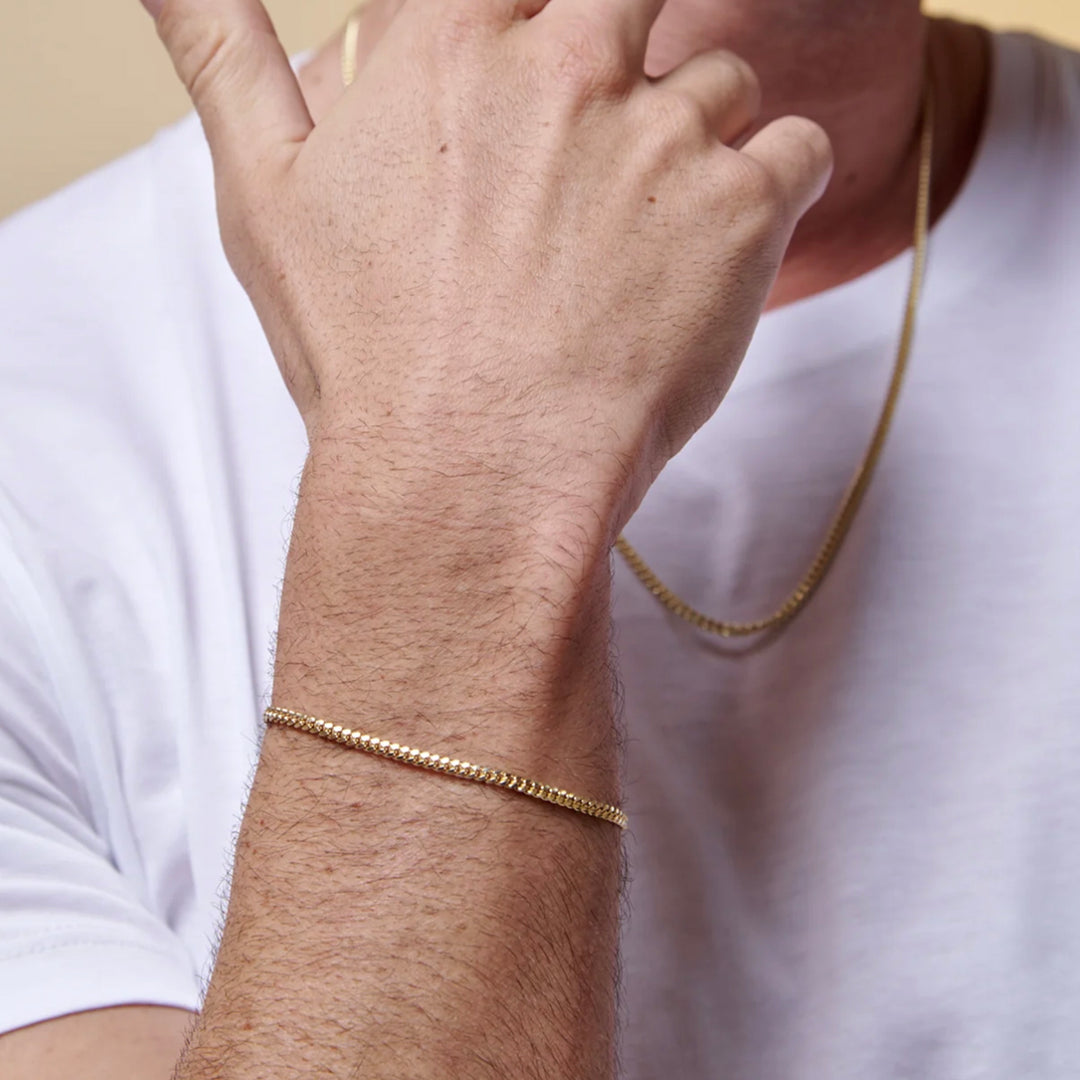
Many of our customers wear white‑gold hoop earrings or a platinum Cuban link chain daily because they balance beauty and resilience. The lightweight nature of white gold makes it ideal for delicate daily wear, while the sturdier feel of platinum ensures that a chain or cuff stays intact even with frequent handling. When selecting everyday pieces, consider the wearer's activity level: a high‑polish platinum chain may require more frequent polishing, whereas a matte‑finish white gold setting will remain pristine longer.
Common mistakes people make when buying white gold or platinum
We see a few recurring errors that can lead to disappointment or unexpected costs.
Skipping the alloy details
Some buyers assume all white gold is the same. Knowing whether the alloy contains nickel is crucial for skin safety. Nickel can cause allergic reactions in sensitive individuals, so always ask for the exact alloy composition or look for a “nickel‑free” certification on the product page. Platinum is naturally hypoallergenic, but it’s still wise to confirm the purity level (950) to ensure you’re receiving the advertised 95% platinum content.
Ignoring plating wear
Expecting rhodium plating to last a lifetime leads to disappointment. Plan for re‑plating every 1‑2 years, especially if the piece is worn daily or exposed to abrasive surfaces. By scheduling a re‑plating service, you can keep the white‑gold setting bright and prevent the underlying gold from oxidizing, which would otherwise give the jewelry a dull, tarnished appearance.
Not verifying weight
Because platinum is heavier, a ring that feels too heavy may actually be platinum, not gold. Check the weight specs before purchase, especially if you’re buying online where the description may not mention the metal’s density. A heavier feel can be a subtle indicator that the piece contains a higher proportion of platinum or a denser alloy, which may influence both cost and maintenance requirements.
FAQ: Real questions our customers ask
How to clean white gold jewelry?
Mix a few drops of mild dish soap with warm water, soak for 5 minutes, then brush gently. Rinse and dry with a lint‑free cloth. For best results, use a soft‑bristled toothbrush to reach crevices around settings, and finish by polishing with a microfiber cloth to restore the reflective shine of the rhodium layer.
What is white gold jewelry?
White gold is yellow gold alloyed with white metals (palladium, zinc, or nickel) and coated with rhodium to give a bright, silvery appearance. The alloy composition is carefully balanced so the piece retains gold’s durability while the rhodium plating provides a mirror‑like finish that resists everyday wear.
Where to buy white gold jewelry?
You can buy directly from Gold Shield’s online store. We ship insured to the USA and offer free shipping within Mexico. Each order includes a certificate of authenticity and a care guide that explains how to maintain the rhodium coating over time.
Will white gold plated jewelry tarnish?
Yes. Rhodium plating can wear off, exposing the yellowish alloy beneath. Re‑plating restores the shine, and we recommend a professional re‑plate every 2–3 years for pieces worn daily, especially rings and bracelets that encounter friction.
How to clean white gold jewelry at home?
Use the soap‑water method above or a solution of 1 part ammonia to 6 parts water for tougher grime. Never use bleach. After soaking, gently scrub with a soft brush, rinse thoroughly with lukewarm water, and pat dry with a lint‑free cloth to avoid water spots.
Can you shower with white gold jewelry?
It’s safe, but prolonged exposure to hot water and soap can accelerate plating wear. Removing it for showers extends the rhodium life, especially for pieces with intricate settings where soap can lodge in tiny gaps.
How is white gold jewelry made?
Gold is melted, mixed with alloy metals, cast into a shape, then polished and rhodium‑plated. At Gold Shield we add a 3D design step before any metal is cut, allowing us to preview the piece, adjust proportions, and ensure perfect stone placement before the metalwork begins.
How to clean white gold jewelry with diamonds?
Soak in a 1:6 ammonia‑water mix for 2 minutes, then brush the diamonds gently. Rinse thoroughly and dry with a lint‑free cloth. Avoid abrasive pads, as they can scratch both the diamonds and the surrounding rhodium coating.
How to identify white gold jewelry?
Look for a stamp like “14K WG” or “14K W.G.”. A jeweler’s test with a nitric acid solution can confirm gold content. Additionally, a magnet will not attract genuine white gold, whereas some nickel‑based alloys may show slight magnetic response.
How to make white gold jewelry?
Start with pure gold, add palladium or zinc, melt, cast, and finally plate with rhodium. Our artisans follow this process for every custom piece, adding hand‑finished details such as hand‑polished edges and micro‑setting of gemstones for a flawless final product.
How to clean white gold jewelry with vinegar?
Vinegar is too acidic and can damage the rhodium layer. Stick to soap‑water or ammonia solutions. If you accidentally expose a piece to vinegar, rinse immediately with plenty of water and have the rhodium plating inspected by a professional.
What is white gold jewelry made of?
It’s a blend of gold (10k, 14k, or 18k) plus white metals, finished with a thin rhodium coating. The exact alloy ratio determines hardness and color; for example, 14K white gold typically contains 58.3% gold, 30% palladium, and the remainder copper and zinc.
What color is white gold jewelry?
When freshly plated it appears bright silver; as plating wears it may show a faint yellow hue. Regular polishing and timely re‑plating keep the piece looking like new, especially for items exposed to frequent friction.
Where to buy white gold for jewelry making?
We sell bulk white‑gold wire and sheet to certified designers. Contact us via WhatsApp for wholesale rates. Our inventory includes 14K and 18K options, each supplied with material certificates and technical data sheets.
Where to find white gold jewelry?
Our online catalog features a full range of white‑gold rings, earrings, and necklaces, all handcrafted in Mexico. Use the filter tools to view collections by style, karat, or gemstone, and each product page includes high‑resolution images and detailed specifications.
Ready to design your own piece? Message us on WhatsApp at +1 845 622 6479 for a free quote, metal advice, and engraving options. Let’s turn your vision into a one‑of‑a‑kind treasure.