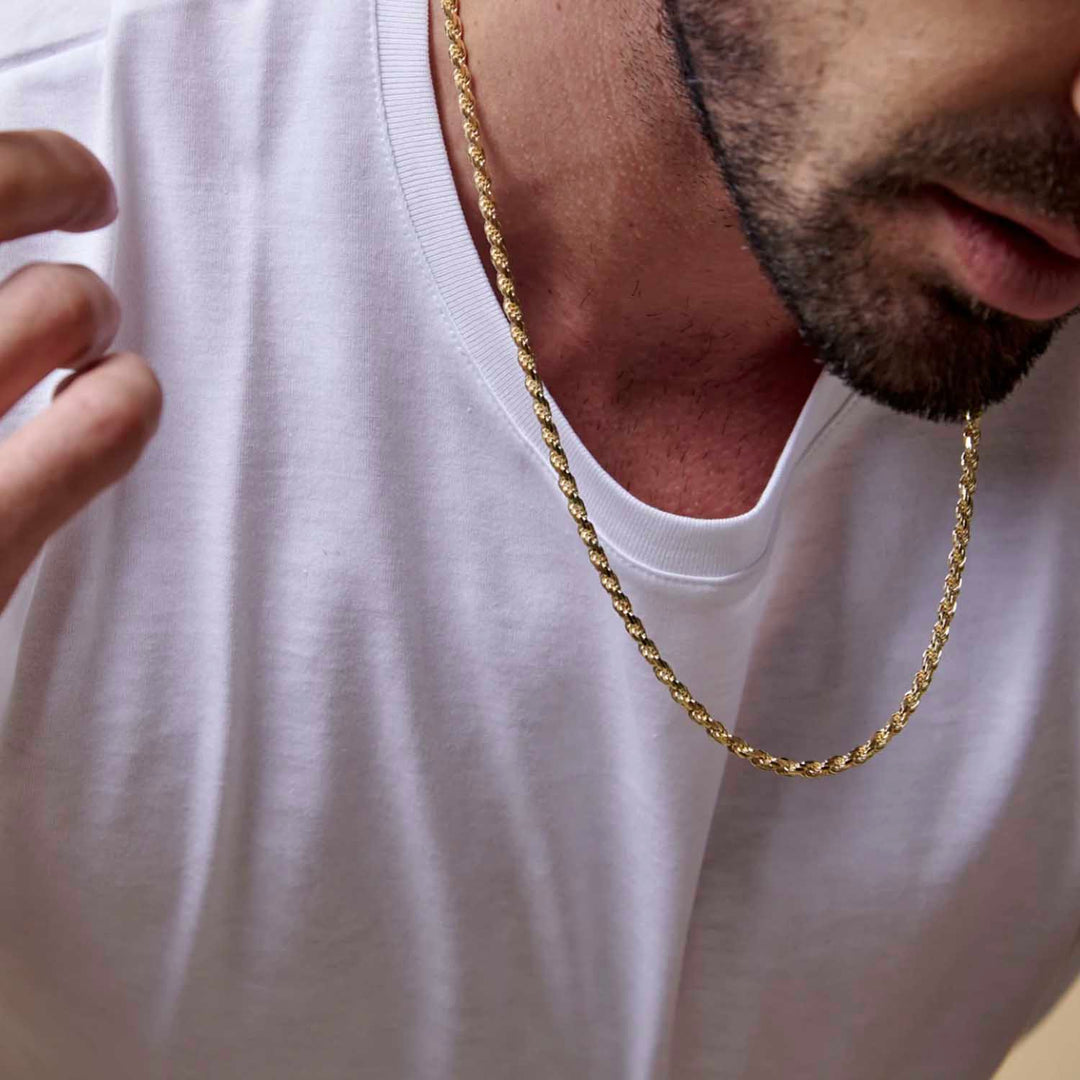
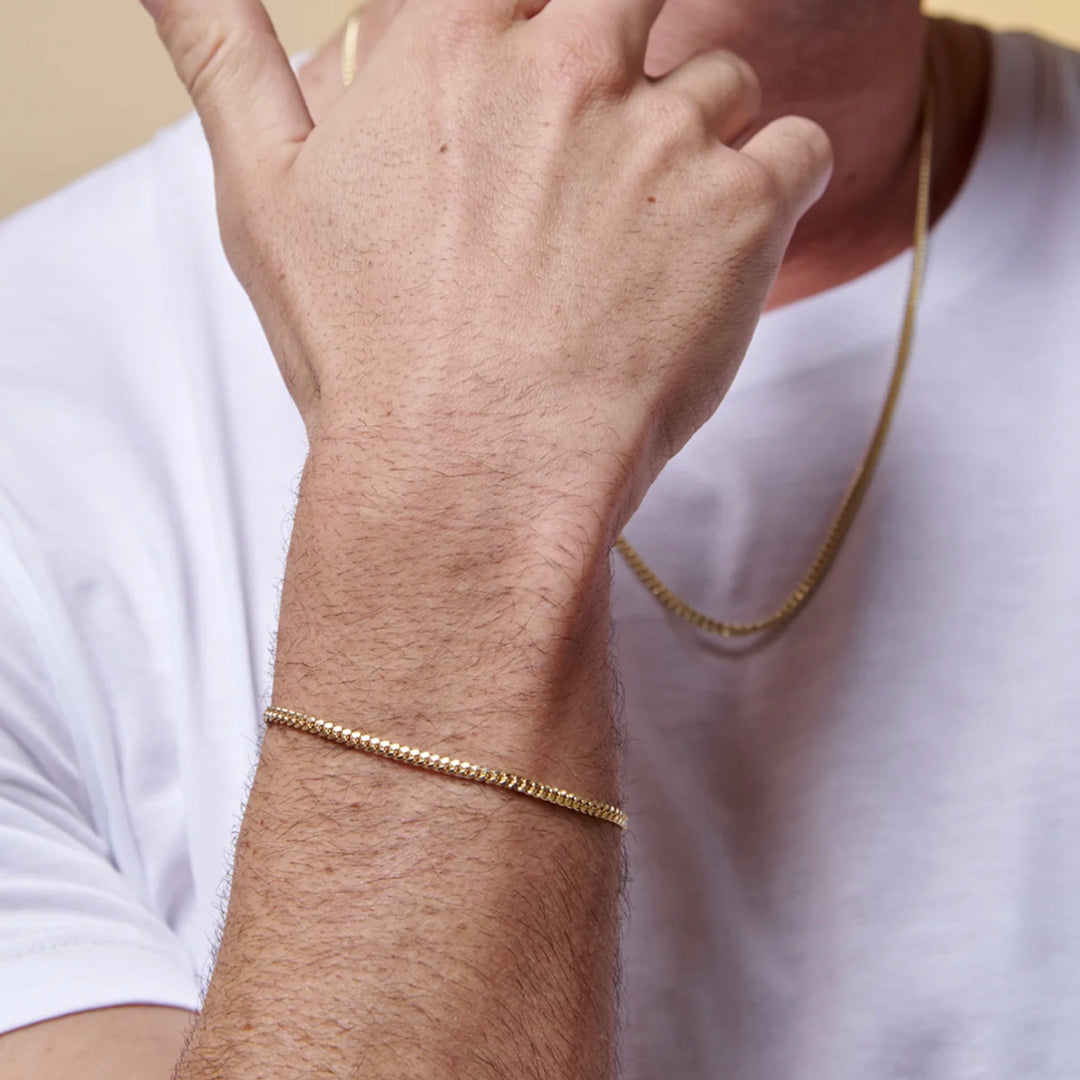
What Is Gold-Filled Jewelry? A Jeweler's Complete Guide
Gold-filled jewelry is made by pressure-bonding a thick, solid layer of gold onto a less expensive base metal core, typically brass. To be legally labeled "gold-filled" in the USA, the gold layer must constitute at least 5%, or 1/20th, of the item's total weight. This construction makes it more durable than gold-plated jewelry but fundamentally different from solid gold, which is a precious metal alloy all the way through.
Quick Summary: Gold-Filled vs. Solid Gold
- Composition: Gold-filled jewelry has a layer of real gold (e.g., 14k) that is 5% of the total weight, bonded over a brass core. Solid gold jewelry, like the 14k gold (58.5% pure gold) we use at Gold Shield, is a consistent precious metal alloy throughout the entire piece.
- Durability & Lifespan: Gold-filled is more durable than gold-plating and can last several years with proper care, but the gold layer can eventually wear away, exposing the base metal. Solid gold is a lifetime material that can be worn daily, polished, and repaired, making it a true heirloom.
- Value & Investment: The value of gold-filled jewelry is minimal and its resale value is negligible. Solid gold retains significant intrinsic value based on its weight and karat, making it a tangible asset that appreciates with the gold market.
- Best For: Gold-filled is suitable for trendy, occasional-wear pieces. At Gold Shield, we focus on solid gold and sterling silver for essential, meaningful jewelry like engagement rings, wedding bands, and custom-set gemstone pieces designed to last forever.

Anillo Solitario de Moissanita 2 ct Estilo Tiffany — Oro Vermeil (Plata 925 + Oro 14k), Certificado — View at Gold Shield →
What Exactly Is Gold-Filled Jewelry Made Of?
Gold-filled jewelry is composed of a solid layer of gold that is mechanically and permanently bonded with heat and pressure to a core of base metal. This multi-layer structure is what defines it and separates it from other types of jewelry. From our perspective as jewelers who work with solid precious metals daily, understanding this composition is key to knowing what you are truly buying.
The Core: Base Metals Explained
The heart of a gold-filled piece is its base metal core. Most commonly, this core is made of jeweler's brass, which is an alloy of copper and zinc. While strong and inexpensive, brass can cause issues. If the outer gold layer is ever scratched or wears down, the copper in the brass can react with your skin's oils and pH, potentially causing the dreaded green or black stain. For people with metal sensitivities, this exposure can also trigger allergic reactions.
This is a primary reason why in our workshop, we choose to work exclusively with solid 10k, 14k, and 18k gold, and pure 925 sterling silver. These materials are solid precious metals all the way through, meaning there's no hidden base metal core that could cause issues down the line. They are naturally hypoallergenic and stable for a lifetime of wear.
The Gold Layer: Karats and Thickness
The outer layer of gold-filled jewelry is real gold. The quality is defined by its karat and thickness. You will often see a stamp like "1/20 14K GF." This is a legal marking that breaks down its composition. The "1/20" means that 1/20th (or 5%) of the item's total weight is gold. The "14K" indicates that the gold layer itself is 14-karat gold (58.5% pure gold). The higher the karat of the layer (e.g., 18K), the richer the color, but the layer's thickness remains the key factor for durability.
While 5% sounds like a small amount, it's significantly more than the minuscule trace found in gold-plated items. This thicker layer provides decent resistance to tarnishing and wear for a time, but it's crucial to remember it's still a surface-level feature, not an intrinsic quality of the entire piece.
The Bonding Process: Heat and Pressure
The manufacturing process for gold-filled material is what gives it its name and relative strength. A sheet of solid gold is fused to the brass base metal sheet using intense heat and pressure. This creates a strong mechanical bond between the metals. This bonded sheet is then used to create the jewelry.
This method is far superior to electroplating, where jewelry is dipped in a solution and an electric current fuses a microscopic layer of gold to the surface. The pressure-bonded layer of gold-filled jewelry is substantially thicker and more durable, which is why it commands a higher price than simple plating.
How Does Gold-Filled Compare to Other Gold Jewelry Types?
Gold-filled jewelry occupies a specific niche in the market, sitting between low-cost plated fashion jewelry and high-value solid gold fine jewelry. Its position is defined by a trade-off between price, gold content, and long-term durability. As jewelers who craft pieces meant to be passed down through generations, we feel it's vital for customers to understand these differences clearly.
Gold-Filled vs. Solid Gold
This is the most important comparison. A solid gold piece, whether it's 10k (41.7% gold), 14k (58.5% gold), or 18k (75% gold), is a homogeneous alloy. The metal is the same on the surface as it is in the center. It will never wear through to reveal another metal. It can be deeply engraved, resized by a jeweler, and scratches can be polished out without compromising the piece. Solid gold has significant, lasting intrinsic value based on its precious metal content.
Gold-filled jewelry, by contrast, has a limited lifespan. Once the gold layer is compromised or wears away, it cannot be effectively repaired. Its value is primarily in its initial appearance, not in its material content. We have had many clients come to us asking to recreate a beloved but worn-out gold-filled piece in solid 14k gold, seeking a permanent version of a design they love.
Gold-Filled vs. Gold Vermeil
Gold vermeil (pronounced 'ver-may') is another intermediate option. To be called vermeil, a piece must meet two specific criteria: the base metal must be sterling silver (92.5% pure silver), and the gold plating must be at least 10 karats and 2.5 microns thick. The main advantage of vermeil is that the core metal is also a precious, hypoallergenic metal. If the gold layer wears off, you are left with a sterling silver piece, which is still valuable and won't turn your skin green.
Gold-filled generally has a thicker gold layer than vermeil, making it technically more durable in terms of wear. However, many people prefer vermeil's all-precious-metal composition, especially for earrings or necklaces that have prolonged skin contact.
Gold-Filled vs. Gold-Plated
This is the easiest comparison. Standard gold-plated jewelry has a microscopically thin layer of gold (often less than 0.5 microns) applied through electroplating. This layer is so thin that it can wear off in weeks or months with regular wear, exposing the base metal beneath. It's the least expensive and least durable option, suitable only for costume jewelry you don't expect to last.
| Feature | Solid Gold | Gold-Filled | Gold Vermeil | Gold-Plated |
|---|---|---|---|---|
| Gold Content | High (41.7%-75%+). Alloy is consistent throughout. | Medium (Must be 5% of total weight). A thick layer over a base metal. | Low-Medium. A layer (min. 2.5 microns) over sterling silver. | Extremely Low. A microscopic layer over a base metal. |
| Base Metal | None (it's gold alloy all the way through). | Usually Jeweler's Brass. | Sterling Silver (925). | Brass, Copper, or other cheap metals. |
| Durability | Lifetime. Can be polished and repaired indefinitely. | Good (1-10 years). Can wear down over time. | Fair (1-5 years). Can wear down; reveals silver. | Poor (months). Wears off very quickly. |
| Hypoallergenic | Yes (gold is inert). | Only while the gold layer is intact. Base metal can cause reactions. | Yes (gold and silver are hypoallergenic). | No. Base metal is often a cause of allergies. |
| Value | High. Retains intrinsic value as a precious metal. | Low. Minimal resale value. | Low-Medium. Value is primarily in the silver core. | None. Costume jewelry. |

Lingote de Oro PAMP 1 Gramo .999 24k - Oro de Inversión Certificado — View at Gold Shield →
What Factors Determine the Price of Gold-Filled Jewelry?
The price of gold-filled jewelry is primarily influenced by the amount and karat of the gold used, the complexity of the manufacturing process, and any additional components like gemstones. While it's more affordable than solid gold, it's important to understand what you are paying for. At Gold Shield, our factory-direct pricing for solid gold is transparent, based on metal weight, gemstone quality, and labor. Gold-filled pricing follows a similar, though less valuable, logic.
Gold Content and Karat
The main driver of cost is the gold itself. A piece marked "1/20 18K GF" will be more expensive than one marked "1/20 12K GF" because 18-karat gold is more pure and valuable than 12-karat gold. Likewise, the complexity of the item affects how much gold-filled material is needed. A large, heavy Cuban link chain made from gold-filled material will cost significantly more than a delicate ring because of the sheer volume of material required.
Craftsmanship and Design
Just like with fine jewelry, the level of craftsmanship matters. A mass-produced, machine-made gold-filled chain will be less expensive than a piece that is hand-assembled or features intricate design work from a specific designer. The labor involved in creating the piece, from soldering links to setting any stones, adds to the final cost.
The True Cost: Longevity vs. Initial Price
This is the angle we discuss most with our customers. Gold-filled jewelry has a lower upfront cost, which is appealing. However, if you have to replace that piece every 5-7 years, the long-term cost can approach or even exceed that of a single, well-made solid gold item that would have lasted a lifetime. We see it as the difference between renting and owning. A solid gold piece is an asset you own forever. Its value is durable and lasting, just like the memories often associated with it.
Is Gold-Filled Jewelry a Good Choice for Me?
Gold-filled jewelry can be a good choice in certain situations, but it is not a universal substitute for fine jewelry made from solid precious metals. The right choice depends entirely on your budget, how you intend to wear the piece, and your long-term expectations for quality and durability. We believe in empowering buyers with honest information to make the best decision for their needs.
When to Choose Gold-Filled
Consider gold-filled jewelry for trendy pieces you may not want to wear in a few years. It's a great way to experiment with a new style—like a chunky chain or oversized hoop earrings—without a major financial commitment. It can also be a practical option for travel jewelry, where the risk of loss is higher. If you're on a strict budget for a gift that doesn't need to be a forever piece, it can fit the bill.
When to Invest in Solid Gold or Sterling Silver
For any piece you intend to wear daily, you should invest in solid gold or sterling silver. This includes engagement rings, wedding bands, a favorite necklace, or everyday stud earrings. The constant contact with skin, oils, and moisture will wear down a gold-filled layer much faster. For significant gifts marking milestones—graduations, anniversaries, births—a solid gold piece carries the symbolism of permanence and enduring value. Our handmade adjustable sterling silver jewelry, for instance, offers the durability of a precious metal with versatile sizing, making it a perfect, lasting gift.
Allergies and Skin Sensitivities
This is a critical consideration. While the outer gold layer of a new gold-filled piece is hypoallergenic, the main risk comes from wear and tear. Once the brass core is exposed, the copper and potentially other metals in the alloy can cause skin discoloration or allergic contact dermatitis in sensitive individuals. According to the CDC, metal allergies are a common form of skin irritation. If you have sensitive skin, we strongly recommend sticking with solid 14k/18k gold or 925 sterling silver, as these are proven to be biocompatible for the vast majority of people.

Dije Medusa Oro 14k Plata 925 - Joyería Mexicana Premium — View at Gold Shield →
How Do You Care For and Clean Gold-Filled Jewelry?
To maximize the lifespan of gold-filled jewelry, you should clean it gently with a mild soap and lukewarm water, using only a soft cloth or brush. It is crucial to avoid abrasive materials and harsh chemicals, as they can strip away the gold layer and permanently damage the piece. Proper care is about preservation, not restoration.
The Do's of Gold-Filled Care
To keep your gold-filled pieces looking their best for as long as possible, always apply cosmetics, perfumes, and lotions before putting on your jewelry. Store each piece separately in a soft pouch to prevent scratches that could compromise the gold layer. After wearing, a quick wipe with a soft, dry cloth can remove skin oils and residue. For cleaning, a simple bath in soapy water followed by a gentle rinse and thorough drying is all that is needed.
The Don'ts of Gold-Filled Care
Never use harsh chemical jewelry cleaners, as they are formulated for solid metals and can eat away at the bonded layer. Avoid polishing with abrasive cloths or compounds for the same reason. It is also critical to remove gold-filled jewelry before swimming in chlorinated pools or hot tubs, as chlorine is particularly corrosive to the bonded layer and the underlying brass. Ultrasonic cleaners are also too aggressive and should be avoided.
What Happens When It Wears Out?
Unlike solid gold, which can be melted down, repolished, or repaired, gold-filled jewelry reaches a definitive end-of-life. When the gold layer wears through, the duller, often pinkish or yellowish tone of the brass core will become visible. At this point, the piece is permanently damaged. It cannot be "re-filled" or effectively plated, as the cost would exceed the item's worth. This finite lifespan is the fundamental trade-off for its lower initial price.
What Should I Look for When Buying Gold-Filled Jewelry?
When purchasing gold-filled jewelry, you should look for a quality stamp that legally verifies its gold content, such as "1/20 14K GF," and always buy from a transparent seller. According to the U.S. Federal Trade Commission's guidelines, any item sold as "gold-filled" must have a gold layer that is at least 1/20th (5%) of the total weight. Reputable sellers will be clear about this and the base metal used.
Understanding the Stamps
The quality stamp is your best indicator of what you are buying. "GF" stands for Gold-Filled. You might also see "RGP," which means Rolled Gold Plate. RGP items often have a thinner layer of gold than GF items, so GF is generally the superior mark. If a piece is advertised as gold-filled but has no stamp, be very cautious, as it may not meet the legal standard.
Assessing the Quality
Beyond the stamp, inspect the piece visually. The gold color should be even and consistent across the entire surface. Pay special attention to joints, clasps, and edges, as these are the areas where the base metal might be visible if the manufacturing quality is poor. A well-made gold-filled piece will have a seamless appearance, indistinguishable from solid gold to the naked eye when new.
Why We Advocate for Transparency
At Gold Shield, our entire business is built on trust and transparency. When you buy a piece from us, it comes with a guarantee of its karat (e.g., solid 14k gold) or purity (e.g., 925 sterling silver). Our factory-direct model allows us to offer fair, transparent pricing on high-quality materials. We believe every customer deserves to know exactly what their jewelry is made of, whether it's an affordable silver charm or a high-end custom diamond ring. This honesty is the foundation of a good relationship between a jeweler and a client.
Can Gold-Filled Jewelry Be Customized or Repaired?
Customization and repair options for gold-filled jewelry are severely limited because any process involving high heat, pressure, or deep abrasion can destroy the bonded gold layer. Activities like soldering to resize a ring or performing deep machine engraving will cut through the gold and expose the brass core, ruining the piece. This is a significant drawback compared to the near-infinite customizability of solid gold.
The Challenge with Engraving and Resizing
While very light, shallow surface engraving might be possible on some thicker gold-filled items, it's risky. Deep, meaningful engravings like names or dates are not recommended. Resizing a gold-filled ring is almost impossible for a jeweler to do correctly. The process requires cutting the band and soldering it back together, which would melt the gold layer at the seam and expose a visible line of brass.
A Better Path to Customization: The Gold Shield Process
This is where working with solid metals truly shines. At Gold Shield, customization is at the heart of what we do. Many of our clients come to us for one-of-a-kind pieces from our Alta Joyería collection, where we feature unique, certified natural gemstones. Our process is collaborative and transparent: you choose your specific gemstone, and our designers work with you to create a 3D digital render of your custom setting in solid 10k, 14k, 18k gold, or sterling silver. You approve every detail of the design before our master jewelers in Mexico begin handcrafting your piece. This ensures the final product is exactly what you envisioned—a truly personal, heirloom-quality piece that can be engraved and cherished for a lifetime.
Why is Solid Gold or Sterling Silver a Better Choice for Gifting?
Solid gold and sterling silver are superior choices for gifting because they embody the very essence of a meaningful gift: permanence, genuine value, and a commitment to quality. A gift for a special milestone is a symbol, and the material of that symbol matters. A finite material like gold-filled simply cannot carry the same weight of sentiment as a piece made from eternal, precious metal.
The Symbolism of a Lifelong Gift
When you give a gift for a major life event—a wedding, an anniversary, the birth of a child, or a graduation—you are communicating love and pride. A solid gold necklace or a pair of sterling silver earrings becomes a wearable memory of that moment. Because the material is durable and valuable, it can be worn for decades and even passed down to the next generation, carrying the story of that memory with it. Gold-filled jewelry, with its limited lifespan, doesn't carry this promise of permanence.
Gifting for the Style-Conscious
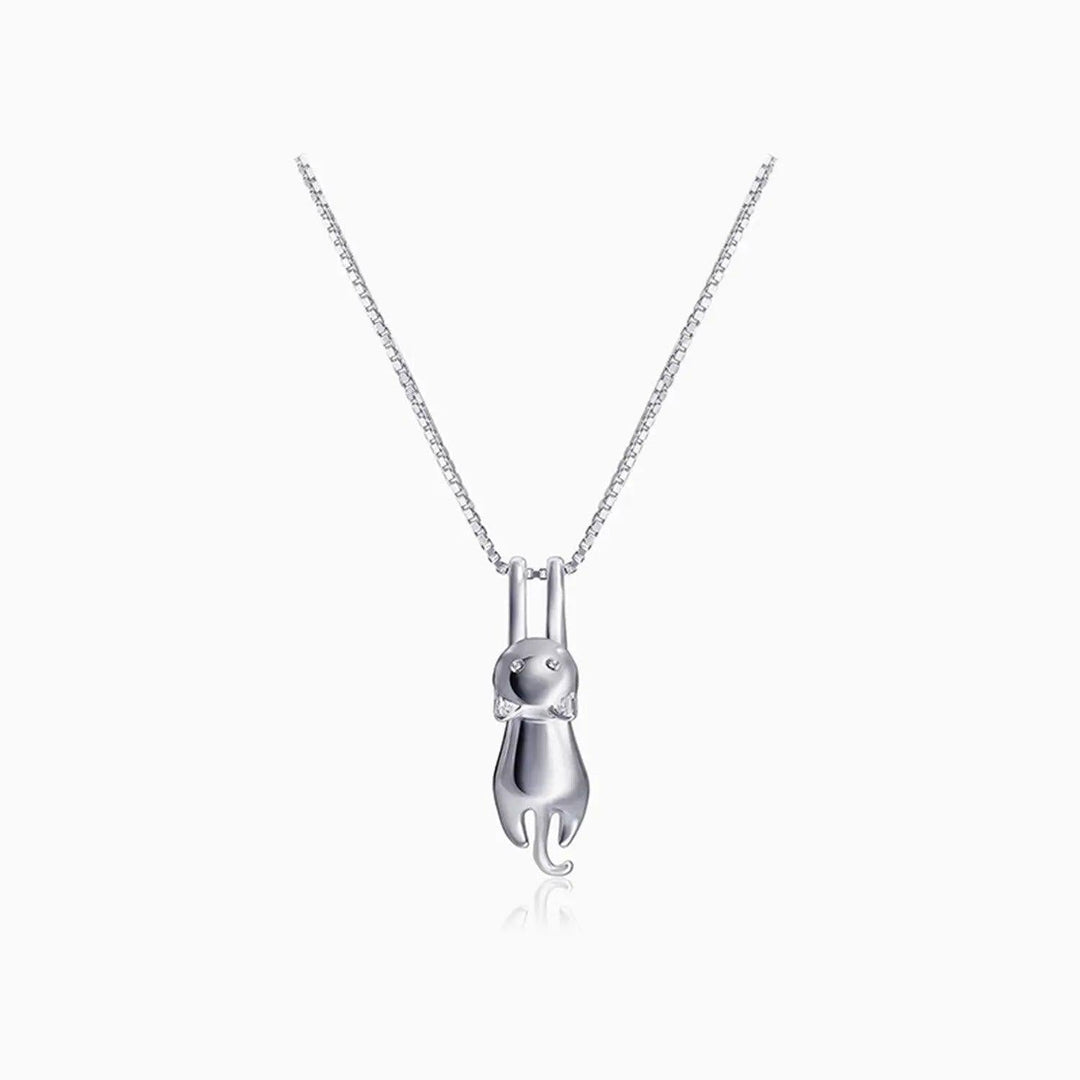
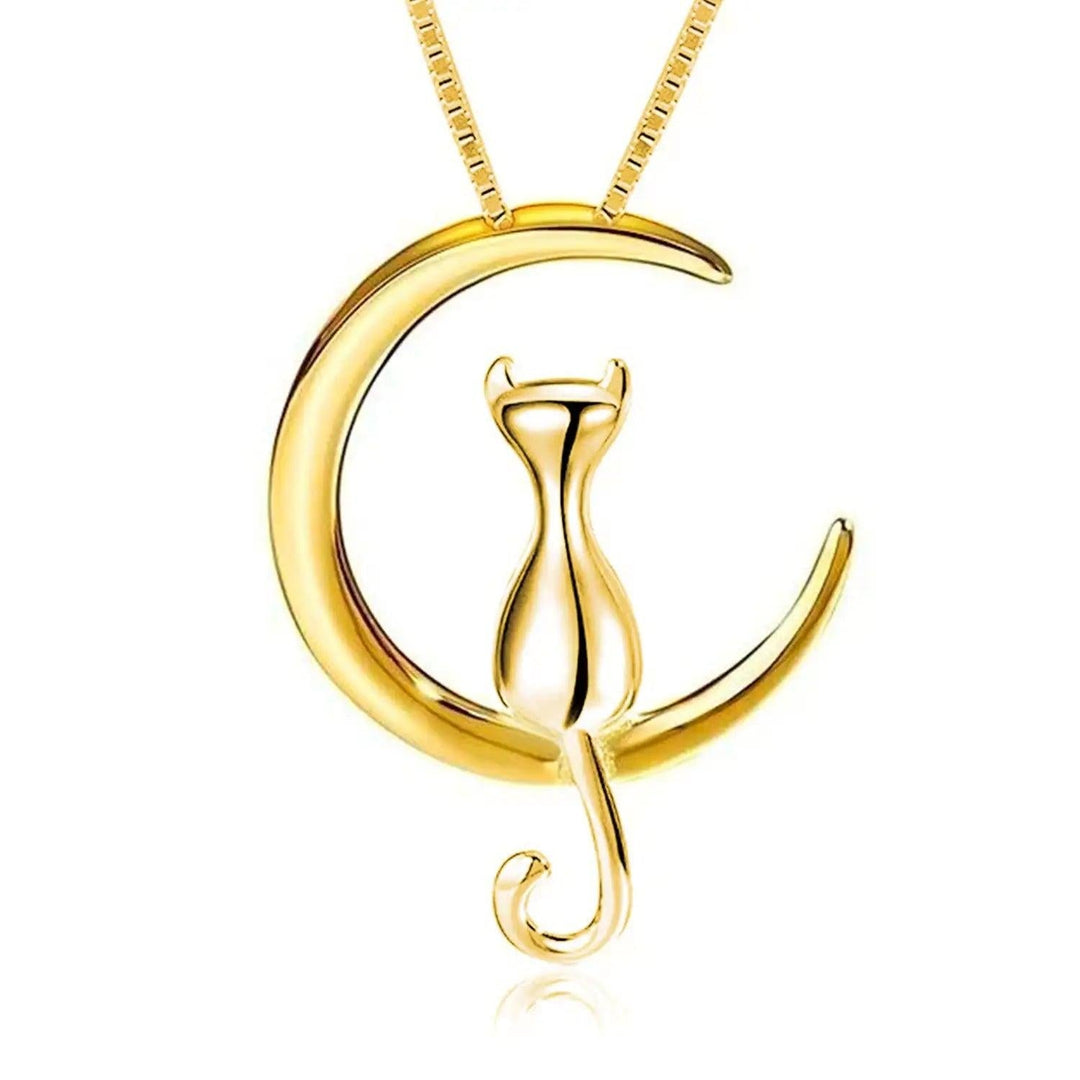
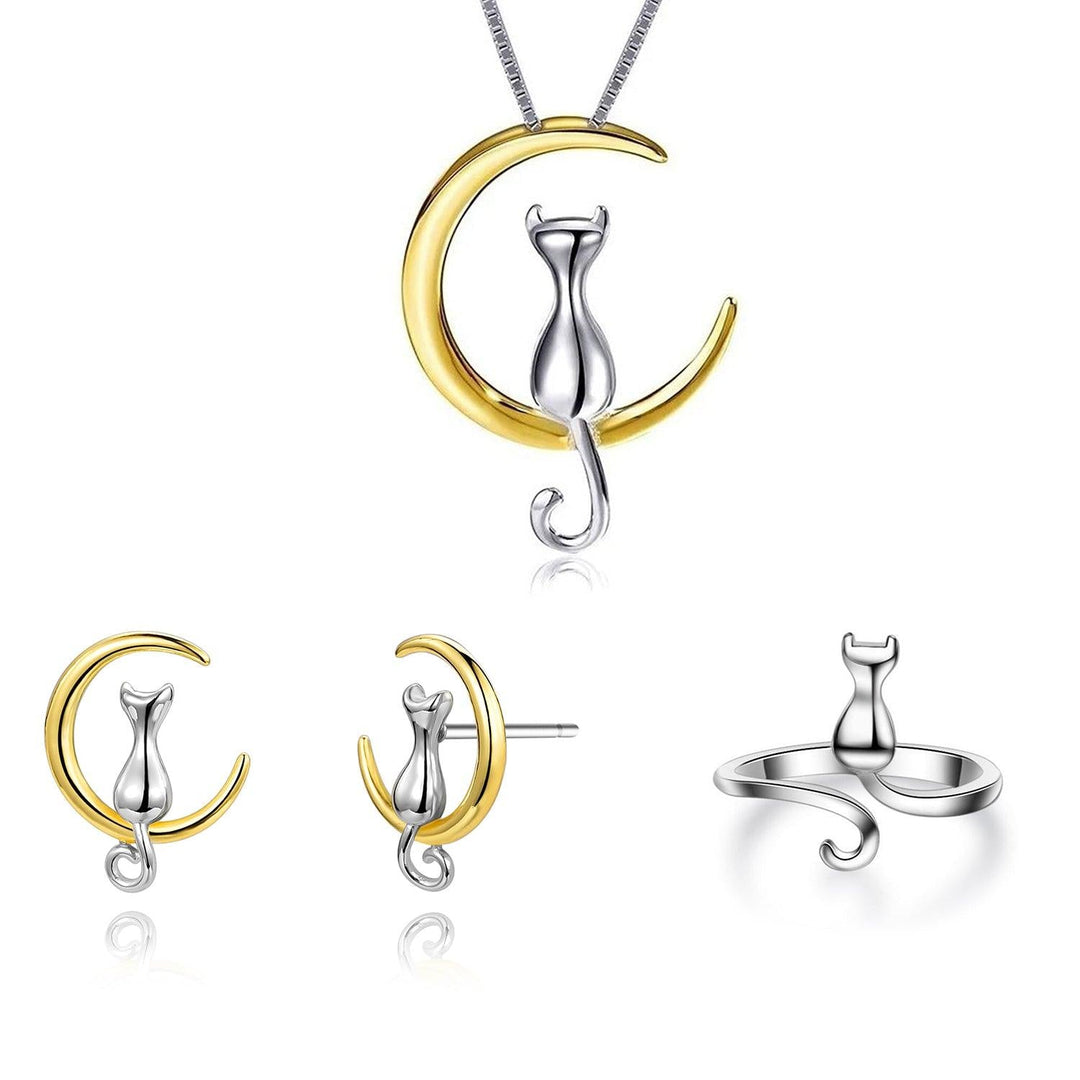
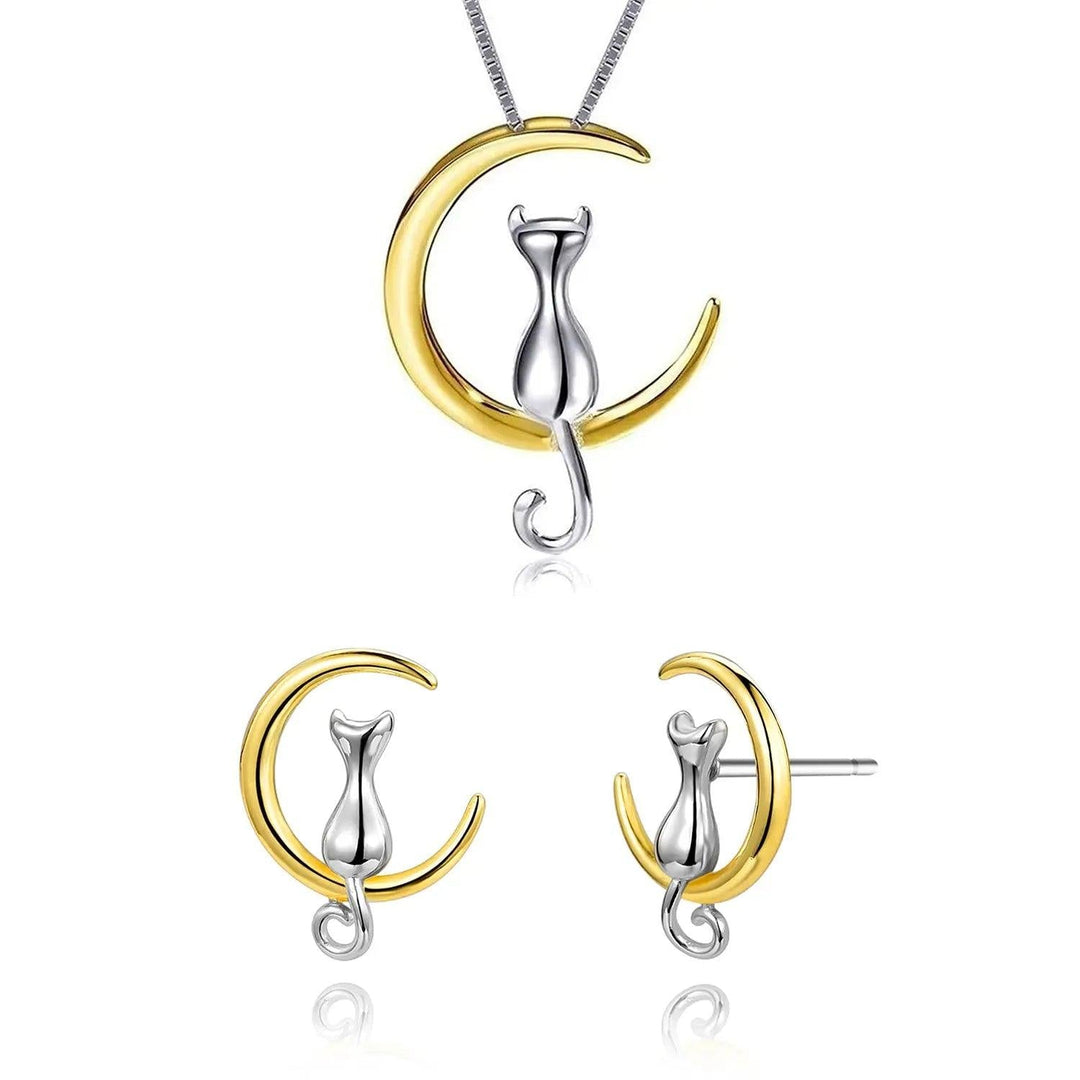
For those who appreciate timeless style, classic pieces in precious metals are always the right choice. A solid gold Cuban link chain, a simple pair of hoop earrings, or a beautifully crafted silver pendant are staples of a fine jewelry wardrobe. They don't go out of style and can be worn with anything. We offer many timeless designs, from our elegant sterling silver sets to fun, personal pieces like those in our Cat Lovers collection, all handmade from lasting precious metals.
Frequently Asked Questions About Gold-Filled Jewelry
As jewelers, we get asked these questions all the time. Here are our straightforward, honest answers to help you make informed decisions.
What does gold filled jewelry mean?
It means a piece of jewelry is made from a base metal (usually brass) with a thick layer of real gold mechanically bonded to its surface. This gold layer must legally be at least 5% (1/20) of the item's total weight.
Can gold filled jewelry tarnish?
Yes, it can. While the gold layer itself is tarnish-resistant, it can slowly wear down over time, especially in high-friction areas. Once the underlying brass is exposed, it will tarnish and can stain your skin.
Will gold filled jewelry tarnish?
Eventually, yes. With heavy or daily wear, it's a matter of when, not if. Proper care can delay this for years, but the gold layer is finite and will ultimately wear away, leading to tarnishing of the exposed base metal.
What is 14k gold filled jewelry?
This specifically means the bonded outer layer is made of 14-karat gold (58.5% pure gold). The stamp "1/20 14K GF" indicates that 14k gold makes up 5% of the item's total weight.
How long does gold filled jewelry last?
With proper care and occasional wear, gold-filled jewelry can last from 5 to 10 years. For pieces worn daily, like rings, the lifespan could be much shorter, perhaps only 1 to 2 years before visible wear appears.
How to clean gold filled jewelry?
Gently clean it with a soft cloth, lukewarm water, and a mild, non-detergent soap. Rinse thoroughly and, most importantly, dry it completely. Never use abrasive polishers or harsh chemicals.
Who buys gold filled jewelry near me?
Gold-filled jewelry is typically sold at jewelry boutiques, online stores, and by independent designers. However, pawn shops and jewelers do not typically buy used gold-filled jewelry because its resale value is extremely low.
Will gold filled jewelry turn your skin green?
It will not turn your skin green as long as the gold layer is intact. If the layer wears off and the copper in the brass core comes into contact with your skin, it can cause a green stain. This is a key reason we recommend hypoallergenic solid gold or sterling silver.
How much is gold filled jewelry worth?
Its worth is based on its value as a finished fashion accessory, not its material content. The resale or scrap value is negligible because the amount of gold is small and chemically difficult to separate from the brass core.
Where to buy gold filled jewelry?
You can find it on sites like Etsy, at artisan markets, and in many online boutiques. Always look for sellers who are transparent about the materials and provide the correct quality stamps.
What is gold filled jewelry worth?
As a finished piece, its worth is whatever someone is willing to pay for the design. As a material, its intrinsic worth is very low, far less than solid gold, which has a value tied directly to the daily market price of gold.
Where to sell gold filled jewelry?
It is very difficult to sell used gold-filled jewelry. Jewelers and pawn shops will not buy it for scrap. Your only option is typically selling it secondhand to another individual who wants the piece for its design.
Who buys gold filled jewelry?
Customers looking for an affordable, temporary alternative to solid gold often buy gold-filled jewelry. They are typically prioritizing style and a lower upfront cost over longevity and investment value.
Can gold filled jewelry get wet?
Yes, it can get wet with water. However, it's crucial to dry it thoroughly afterward. You should always avoid contact with harsh chemicals like chlorine in pools and hot tubs, as well as saltwater, which can accelerate wear.
How to test gold filled jewelry?
A professional jeweler can test it, but it's tricky. A standard acid test can damage the piece. A jeweler would likely use an electronic gold tester or make a very deep scratch in an inconspicuous area to test the metal underneath, which is destructive. The most reliable indicator for a consumer is the quality stamp ("GF").
While gold-filled jewelry offers a taste of gold's beauty on a budget, it's a temporary accessory, not a lasting investment. At Gold Shield, we believe in creating jewelry that carries meaning and value for a lifetime. Our commitment is to solid precious metals—10k, 14k, and 18k gold, and 925 sterling silver—handcrafted in our Mexican workshop into pieces you can wear, love, and pass down forever.
Ready to invest in a piece of jewelry that will last a lifetime? Let's create something unique for you. Contact our team directly on WhatsApp at +1 845 622 6479 for a no-obligation quote on your custom design. We offer insured shipping to the USA and look forward to crafting your next heirloom.