The Hamsa Necklace: A Complete Guide to Its Meaning & Quality
A hamsa necklace is a piece of jewelry featuring a palm-shaped amulet, an ancient symbol believed to offer potent protection against the evil eye and bring blessings, good fortune, and happiness to the wearer. Here at Gold Shield, we handcraft these deeply symbolic pendants in our Mexican workshop, using only solid 10k, 14k, and 18k gold or 925 sterling silver, ensuring your talisman is as enduring as its meaning.
Quick Summary: Your Guide to the Hamsa Necklace
- A Universal Symbol of Protection: The Hamsa Hand is a powerful talisman recognized across many cultures and faiths for its ability to ward off negative energy and attract positivity. Its meaning transcends a single belief system, making it a universally cherished symbol of safety and good fortune.
- Authentic Materials Matter: We craft our hamsa necklaces exclusively from solid precious metals—10k (41.7% gold), 14k (58.5% gold), 18k (75% gold), and 925 sterling silver (92.5% silver). This guarantees your piece is hypoallergenic, durable, and will never have a plating that wears off.
- Endless Customization: Your hamsa should be as unique as you are. We specialize in custom settings, allowing you to choose a one-of-a-kind natural gemstone or a brilliant moissanite for the center. You approve a detailed 3D design render before our artisans in Mexico even begin to craft your piece.
- Factory-Direct Value & Authenticity: By offering our jewelry directly from our workshop, we provide transparent, factory-direct pricing without the retail markup. Every piece comes with a guaranteed karat and is shipped with insurance directly to you in the USA.

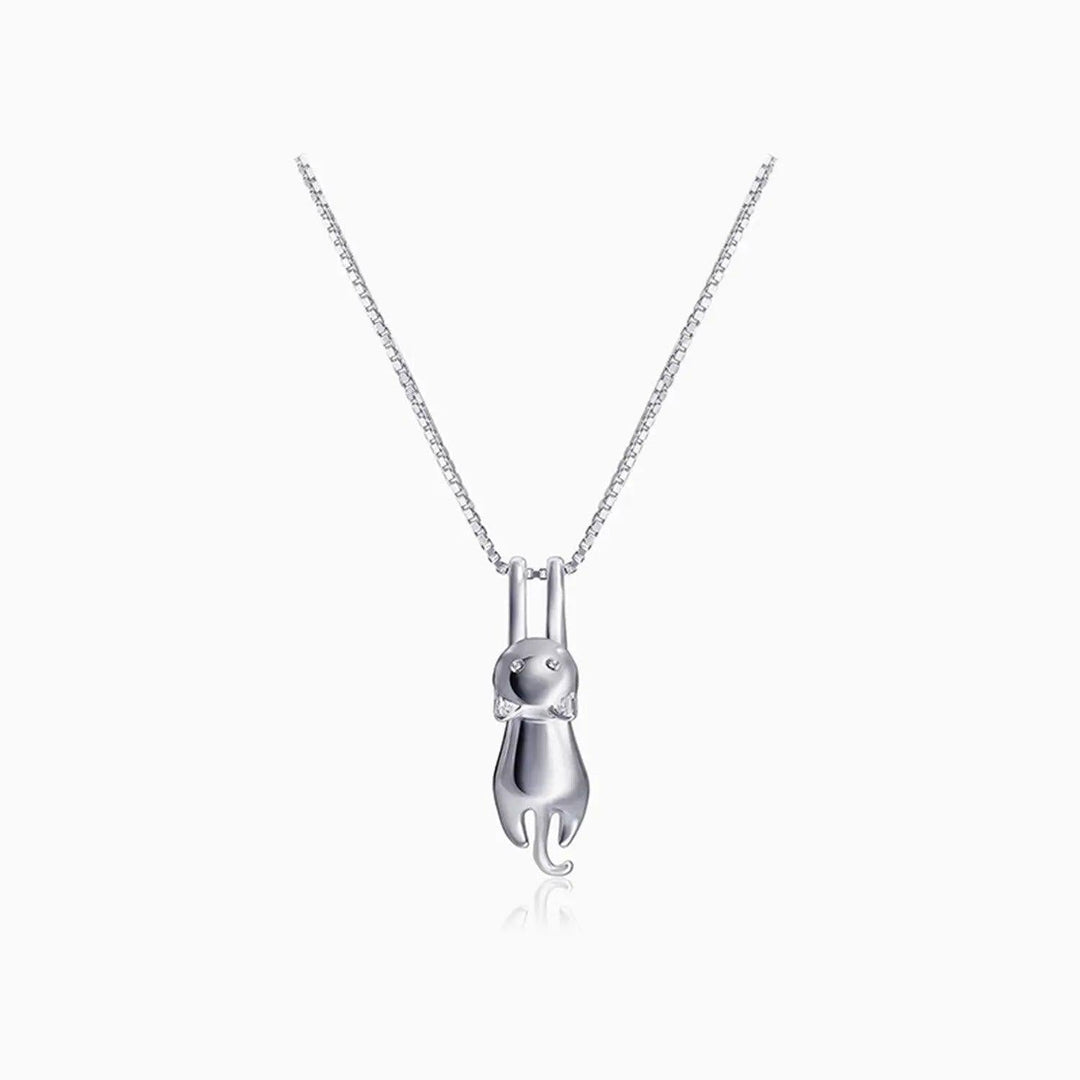
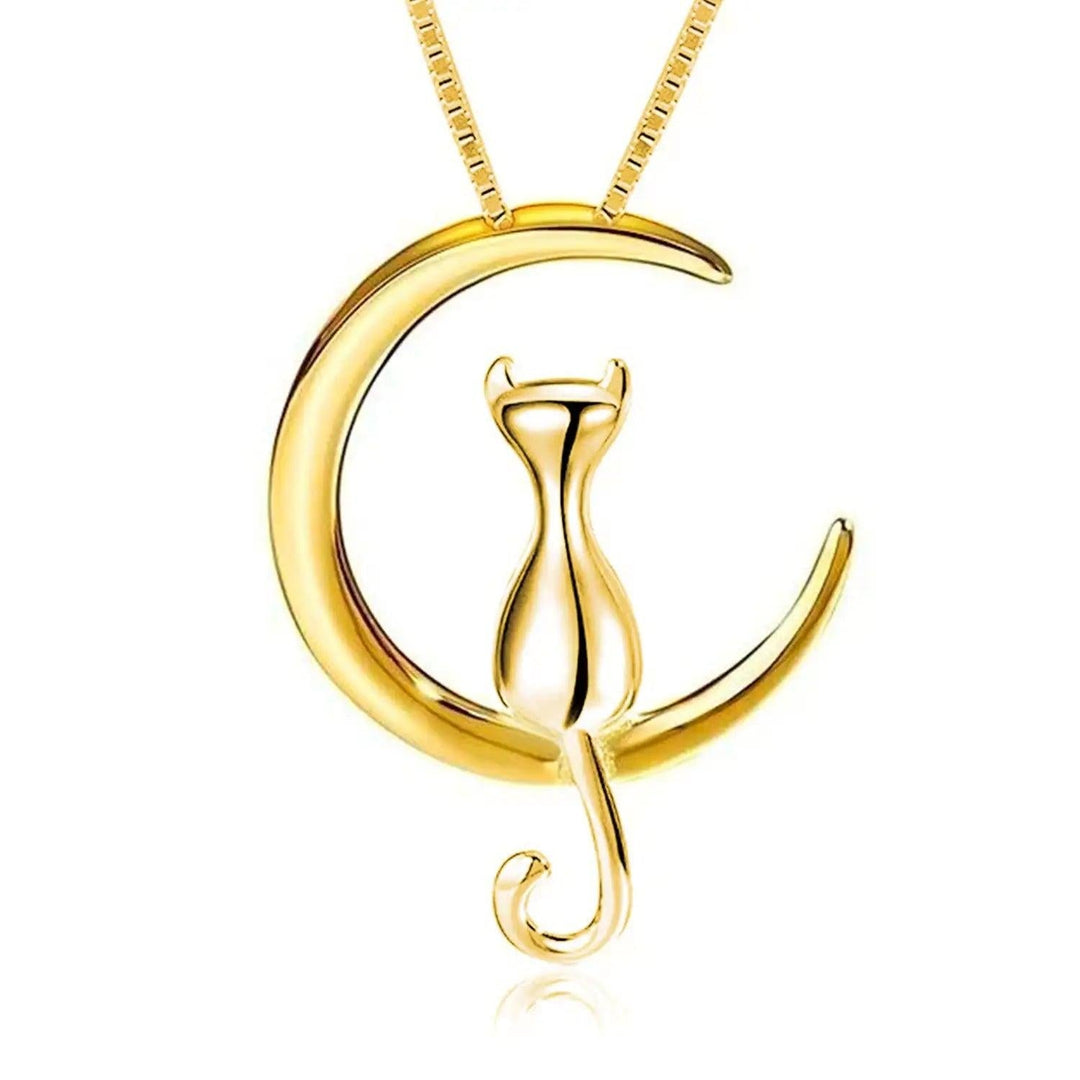
Collar de Plata 925 con Gato para Mujer - Joyería Mexicana — View at Gold Shield →
What is the meaning behind a hamsa necklace?
The meaning behind a hamsa necklace is rooted in ancient history as a powerful symbol of divine protection, strength, and blessings. It is a protective sign or talisman that is believed to ward off the evil eye, a malevolent glare thought to cause misfortune or injury. Across various cultures and thousands of years, the open right hand has been a sign of defense, power, and generosity, and the hamsa embodies all these qualities in one potent amulet.
In our workshop, we see customers from all walks of life drawn to the hamsa. It's not just a beautiful piece of jewelry; it's a personal statement of hope and a request for safekeeping. When our jewelers craft a hamsa, they are shaping more than just gold or silver; they are creating a wearable piece of ancient tradition intended to bring peace of mind to its owner.
The Hand of God: Universal Symbolism
The hamsa, also known as the Khamsa, is not tied to a single religion but has been adopted and interpreted by many, including in Islam (as the Hand of Fatima), Judaism (as the Hand of Miriam), and some forms of Christianity. Its origins are believed to predate these religions, tracing back to ancient Mesopotamia. This universal appeal is what makes it so special. It represents a shared human desire for protection from harm and a connection to a higher, benevolent power.
The five fingers are sometimes thought to represent the five books of the Torah for Jews, or the Five Pillars of Islam for Muslims. For others, they symbolize the five senses, a reminder to use them to live a conscious and good life. This rich, layered symbolism allows the wearer to connect with the hamsa in a way that is personally meaningful.
The Hamsa and the Evil Eye
The hamsa's primary function is to protect against the "evil eye." This belief, prevalent in Mediterranean and Middle Eastern cultures, posits that a look of envy or dislike can bring about bad luck. The hamsa hand acts as a shield, deflecting this negative energy. Often, a hamsa amulet will feature an eye in the center of the palm, which is meant to look back at the world, providing an extra layer of defense against unseen dangers.
Many of our customers specifically request a hamsa with a central gemstone to represent this eye. We often set a brilliant-cut moissanite, a vibrant blue sapphire, or a deep green emerald in the palm. Each stone adds its own layer of meaning, but the core purpose remains the same: to watch over the wearer.
What does it mean if the hamsa is pointing up or down?
The orientation of the hamsa hand carries distinct, though related, meanings. When the hamsa is worn with the fingers pointing up, it is a universal sign against evil. This position is seen as a gesture of stopping or warding off negativity, a shield that blocks misfortune and repels the evil eye.
When the hamsa is worn with the fingers pointing down, it is interpreted as a symbol of abundance and blessings. In this position, the hand is seen as open and giving, welcoming good fortune, fertility, and happiness into your life. Many of the pendants we create are designed to hang in the downward position, as our customers often seek to attract positivity as much as they wish to deflect negativity. There is no "correct" way; the choice depends on the wearer's personal intention.
Who can wear a hamsa necklace?
Anyone can wear a hamsa necklace, as its symbolism of protection and good fortune is universal and not restricted to any single faith or culture. While it holds deep significance in specific religions like Judaism and Islam, its origins are ancient and its message of warding off evil and welcoming blessings is a shared human desire. It has become a widely adopted symbol of peace and protection enjoyed by people from all backgrounds.
At Gold Shield, we've created hamsa necklaces for people of every imaginable belief system and cultural heritage. The beauty of the symbol is that it speaks to a fundamental human need for safety and hope. Wearing one is a personal choice, and its meaning is ultimately defined by the person who wears it.
Cultural Appreciation vs. Appropriation
Wearing a symbol from another culture is an act of appreciation when done with respect and understanding of its history. The hamsa is a perfect example. Because it has been shared and adapted across so many cultures for millennia, it's not exclusively owned by any single group. To wear it respectfully means acknowledging its protective meaning and its roots in Middle Eastern and North African traditions, rather than treating it as a mere fashion trend.
We encourage our customers to connect with the story behind the piece. When you understand that you're wearing a symbol of protection that people have trusted for thousands of years, it transforms the jewelry from an accessory into a meaningful talisman. That connection is the key to respectful appreciation.
A Symbol for Men and Women
The hamsa is a truly unisex symbol. We design and craft hamsa necklaces for both men and women, with styles ranging from delicate and intricate to bold and substantial. For women, we often create smaller pendants on fine chains, sometimes adorned with sparkling moissanite or small natural gemstones. These pieces are elegant and subtle, a quiet source of strength.
For men, we frequently see requests for larger, more solid hamsa pendants, often on thicker chains like a Cuban link or a sturdy rope chain. These pieces make a strong statement. You can explore some of these robust styles in our Joyería para hombre collection. Ultimately, the choice of style is entirely personal, not dictated by gender.

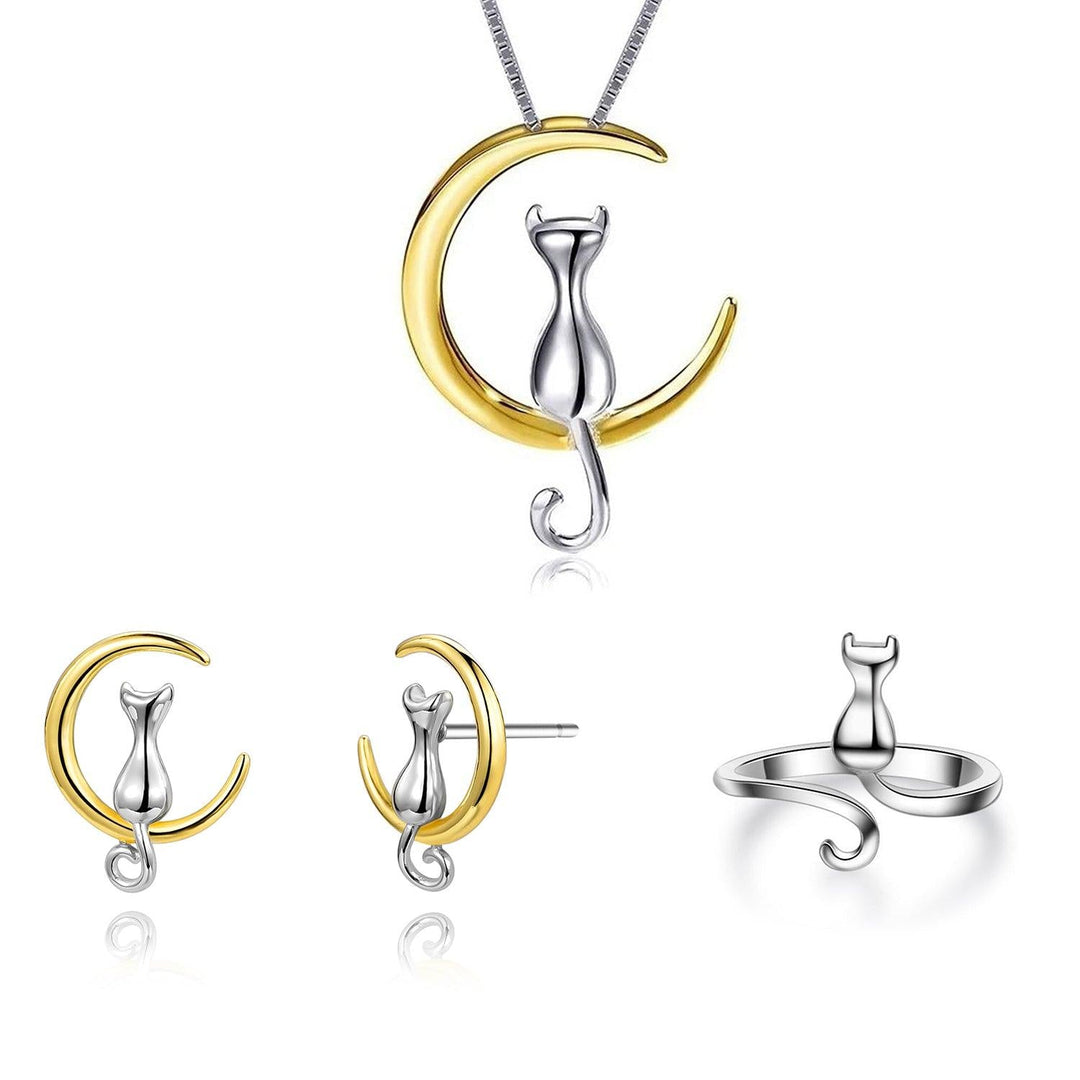
Set 3 Piezas - Collar de gato + Aretes de gato y Anillo de Gato — View at Gold Shield →
How do I choose the right hamsa necklace for me?
Choosing the right hamsa necklace involves balancing personal style with symbolic meaning by considering the metal, the size and weight of the pendant, and whether you want to include gemstones. The perfect hamsa for you will not only look good but also feel right, resonating with your intentions for wearing it. It's a blend of aesthetics and personal connection.
We guide our customers through this process every day. The first question we usually ask is, "What feeling do you want your necklace to evoke?" Do you want something subtle and personal, or a bold statement piece? The answer helps narrow down the choices and begin the design journey.
Selecting the Perfect Metal: Gold vs. Silver
The choice between gold and silver is often the first and most important decision. Solid gold (10k, 14k, or 18k) offers a timeless warmth and is incredibly durable, making it ideal for a piece you'll wear every day for a lifetime. It doesn't tarnish and retains significant value. Yellow gold is classic, while white gold offers a modern, silvery hue, and rose gold provides a unique, warm blush.
Sterling silver (925) is another excellent choice. It has a bright, cool luster that many people love and is also a precious, hypoallergenic metal. While it can tarnish over time, it's easily polished back to its original shine. For those who love the look of silver, our Collares de plata collection showcases the beautiful possibilities of this metal. The choice often comes down to budget and personal color preference, as both materials create a lasting, quality talisman.
Sizing Your Pendant and Chain
The size of the hamsa pendant and the length of the chain dramatically affect the look and feel of the necklace. A small, discreet pendant (around 15-20mm) on a 16" or 18" chain sits close to the collarbone and is perfect for everyday wear, easily tucked under a shirt. This is a popular choice for a more personal, private talisman.
A larger pendant (25mm or more) on a longer chain (20" to 24") makes more of a statement and is often worn over clothing. This is a common preference for our male customers or for anyone wanting a bolder look. We also consider the weight; a solid 18k gold pendant will be noticeably heavier than a sterling silver one of the same size, which can influence comfort and how the piece hangs.
Plain vs. Gemstone Hamsas
A plain, polished metal hamsa has a minimalist, classic beauty that focuses purely on the form of the symbol. The clean lines of the hand in solid gold or silver are powerful in their simplicity. However, adding a gemstone can introduce another layer of meaning and a focal point of beauty.
The most traditional addition is an eye in the center of the palm. We often use brilliant, durable moissanite, which has a hardness of 9.25 on the Mohs scale (a diamond is a 10), making it perfect for daily wear. Natural blue sapphires are another popular choice, as the color blue is also strongly associated with protection against the evil eye. We can source and set virtually any certified natural gemstone, allowing you to personalize your hamsa with a birthstone or a gem whose properties resonate with you.
What determines the quality and price of a hamsa necklace?
The quality and price of a hamsa necklace are primarily determined by the precious metal content (the karat of gold or purity of silver), the total weight of the metal, the type and quality of any gemstones used, and the complexity of the craftsmanship. A handmade, solid gold piece with a natural gemstone will naturally be a greater investment than a mass-produced, silver-plated item.
As a factory-direct workshop, we are transparent about these factors. The price you pay is a direct reflection of the materials and the artisan's time. There are no hidden retail markups, just the true cost of creating a piece of fine jewelry designed to last for generations.
Solid Gold Karats Explained (10k, 14k, 18k)
The karat system measures the purity of gold. Pure gold (24k) is too soft for most jewelry, so it's mixed with other alloys for strength. Here’s how our options break down:
- 18k Gold: Contains 75% pure gold (18 parts gold, 6 parts alloy). This is our premium option, offering the richest yellow color and highest intrinsic value. It's best for pieces that won't be subjected to constant rough wear.
- 14k Gold: Contains 58.5% pure gold (14 parts gold, 10 parts alloy). This is the most popular choice in the USA for its perfect balance of durability, color, and value. It's strong enough for everyday wear while still having a beautiful, rich gold hue.
- 10k Gold: Contains 41.7% pure gold (10 parts gold, 14 parts alloy). This is our most durable and affordable solid gold option. Its lower gold content makes it highly resistant to scratches and bending, ideal for a very active lifestyle.
We guarantee the karat of every piece we make, so you know you are getting exactly the quality you paid for.
The Sterling Silver Standard (925)
Sterling silver is the benchmark for high-quality silver jewelry. The "925" stamp signifies that the piece is made of 92.5% pure silver, with the remaining 7.5% being other metals (usually copper) to add strength and durability. Pure silver, like pure gold, is too soft for functional jewelry.
We only use solid 925 sterling silver. This means your hamsa necklace is a precious metal piece through and through. Unlike silver-plated items where a thin layer of silver can wear off to reveal a cheap base metal, a solid sterling silver necklace will last a lifetime with proper care.
Comparing Hamsa Necklace Materials
Understanding the difference between solid metals and plated alternatives is crucial. At Gold Shield, we believe in creating heirloom-quality jewelry, which is why we exclusively use solid precious metals. Here’s how they compare to the plated options you might find elsewhere:
| Feature | Solid Gold (10k, 14k, 18k) | Sterling Silver (925) | Gold-Plated Jewelry |
|---|---|---|---|
| Core Material | Gold alloy (41.7% - 75% pure gold) | Silver alloy (92.5% pure silver) | Base metal (brass, copper, zinc) |
| Durability | Lifetime investment, does not fade or tarnish | Lifetime investment, can tarnish but is easily cleaned | Temporary; plating wears off, exposing base metal |
| Hypoallergenic | Yes, ideal for sensitive skin | Yes, ideal for sensitive skin | Often not; can cause skin irritation when plating fades |
| Value | High intrinsic and resale value | Affordable precious metal with lasting value | Low, with no significant resale value |
| Gold Shield Option | Yes (10k, 14k, 18k) | Yes (925) | No, we only use solid precious metals. |

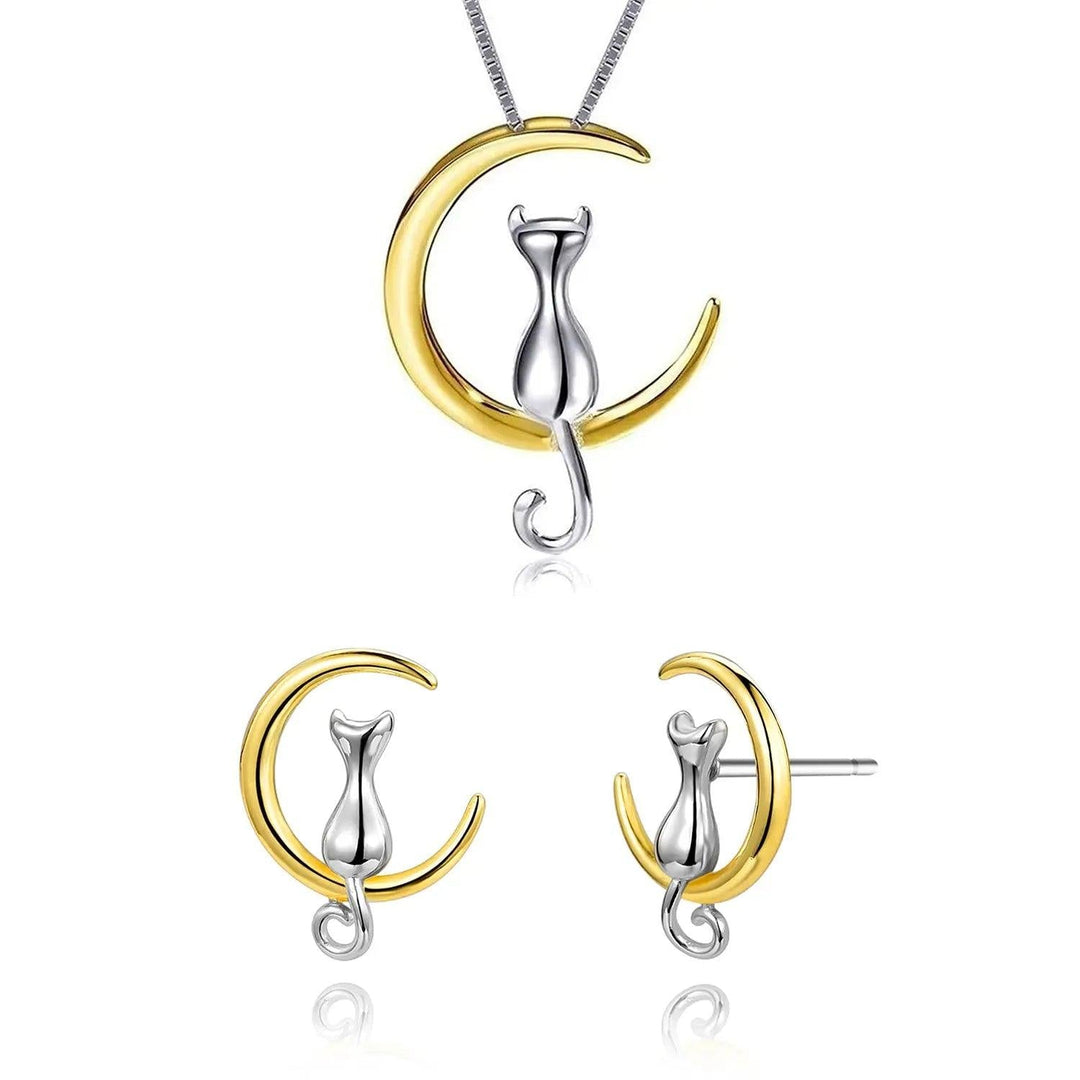
Juego Collar y Aretes Gato Plata 925 Baño Oro 18K — View at Gold Shield →
What is the process for ordering a custom hamsa necklace?
Our process for ordering a custom hamsa necklace is a collaborative journey that begins with a simple conversation and ends with a unique piece of jewelry made just for you. It all starts with your idea, which we then bring to life through digital design and traditional craftsmanship in our Mexican workshop.
This process ensures you are involved every step of the way. We believe that when you are part of the creation, the final piece holds even more personal significance. There are no surprises, just the satisfaction of seeing your vision perfectly executed.
Step 1: Your Initial Idea & Consultation
Everything begins when you contact us on WhatsApp at +1 845 622 6479. You can send us a sketch, a photo, or just describe the hamsa you're dreaming of. We'll discuss your preferences for metal (10k, 14k, 18k gold or sterling silver), size, style, and whether you'd like to include gemstones or engraving. Based on this, we provide an initial quote with our factory-direct pricing.
Step 2: Choosing Your One-of-a-Kind Gemstone
If you want a gemstone in your hamsa, this is where the magic happens. We specialize in sourcing one-of-a-kind, certified natural gemstones. Whether you want a fiery Mexican opal, a deep blue sapphire, or a brilliant, eco-friendly moissanite, we will find the perfect stone for your piece. We'll send you photos and videos of the available gems so you can choose the exact one that speaks to you.
Step 3: Approving the 3D Render
Once we've finalized the design details and you've selected your stone, our 3D designers create a photorealistic digital render of your hamsa necklace. This is a crucial step. You'll see exactly how the finished piece will look from every angle, including the dimensions and how the gemstone is set. You can request adjustments at this stage until the design is perfect. You give the final approval before we move to production.
Step 4: Handcrafting and Engraving in Our Mexican Workshop
With your approved design, our master jewelers get to work. They cast the pendant in your chosen solid gold or silver, meticulously set the gemstone, and polish the piece to a brilliant finish. If you've requested an engraving, like a name, date, or a short message, this is when we add that final personal touch. The entire piece is made by hand with skill and care before being securely packaged for insured shipping to you in the USA.
How should I care for my solid gold or silver hamsa necklace?
Caring for your solid gold or sterling silver hamsa necklace is simple and ensures it remains beautiful for a lifetime; it involves regular gentle cleaning, proper storage, and avoiding exposure to harsh chemicals. Because we use solid precious metals, you never have to worry about a plating wearing off, so maintenance is straightforward.
Cleaning Your Gold Hamsa
For solid gold hamsa necklaces (10k, 14k, or 18k), the best way to clean them is with a simple solution of warm water and a few drops of mild dish soap. Let the necklace soak for 15-20 minutes, then gently scrub it with a very soft toothbrush to get into any crevices. Rinse it thoroughly with clean water and pat it dry with a soft, lint-free cloth. This will remove any oils or dirt and restore its natural shine.
Polishing Your Sterling Silver Hamsa
Sterling silver naturally reacts with sulfur in the air, which can cause it to tarnish over time. This is a normal process and not a sign of poor quality. To clean a tarnished silver hamsa, you can use the same soap and water method for light cleaning. For heavier tarnish, a dedicated silver polishing cloth is your best friend. Gently rubbing the pendant with the cloth will quickly remove the tarnish and bring back its bright, cool luster. Many of our customers with pieces from our sterling silver collections find this to be a simple and satisfying task.
What to Avoid
To keep your hamsa looking its best, avoid contact with harsh chemicals. This includes chlorine (in pools and hot tubs), bleach, and other household cleaners, which can damage or discolor precious metals and gemstones. It's also a good practice to remove your necklace before applying lotions, perfumes, or hairspray, as the residue can build up and dull the finish.
When is a hamsa necklace a good gift?
A hamsa necklace is an exceptionally meaningful gift for any occasion that marks a new chapter or a significant life event, as it embodies wishes of protection, health, and happiness for the recipient. Its powerful symbolism elevates it from a simple piece of jewelry to a heartfelt gesture of care and support.
For Milestones and New Beginnings
We often craft hamsa necklaces for major life milestones. It's a perfect gift for a graduate heading off to college or starting a new career, symbolizing protection on their new path. It’s a thoughtful gift for new parents, wishing protection over their child and family. It's also a wonderful gift for someone embarking on a journey, moving to a new home, or starting their own business—any time you want to say, "I'm wishing you safety and success."
Personalizing a Gift with Engraving
Making a gift personal is what makes it unforgettable. We offer custom engraving on most of our hamsa pendants. Adding a significant date, the recipient's initials, or a short, meaningful word on the back of the hamsa transforms it into a one-of-a-kind keepsake. A customer once had us engrave "Always Protected" on the back of a hamsa for their daughter, a simple but incredibly powerful message she could carry with her always.
What are common mistakes to avoid when buying a hamsa necklace?
The most common mistakes to avoid when buying a hamsa necklace are falling for deceptively low prices that indicate plated materials, not verifying the authenticity of the metal, and overlooking the value of handmade craftsmanship. These missteps can lead to disappointment when a piece quickly tarnishes, causes skin irritation, or breaks.
The "Too Good to Be True" Price: The Plated Trap
One of the biggest pitfalls is buying a "gold" or "silver" necklace at an extremely low price. This almost always means the piece is gold-plated or silver-plated—a thin layer of precious metal over a base metal like brass or copper. The plating will inevitably wear off, especially with daily wear, exposing the metal underneath. This can cause discoloration and, for many people, allergic reactions. A solid gold or sterling silver hamsa is a true investment; a plated one is a temporary accessory.
Ignoring Karat Stamps and Guarantees
When buying fine jewelry, always look for a quality mark or karat stamp (e.g., "14k," "585," "925"). This stamp, along with a guarantee from the seller, is your assurance of metal purity. Reputable jewelers, like us at Gold Shield, will always guarantee the authenticity of their materials. If a seller is vague about the metal content or offers no guarantee, it's a major red flag.
Overlooking the Importance of Craftsmanship
There is a world of difference between a mass-produced hamsa stamped out by a machine and one that has been cast, shaped, and polished by a skilled artisan. Handmade pieces have a certain character, weight, and attention to detail that machines cannot replicate. The edges are smoother, the details are crisper, and the overall feel is more substantial. Choosing a handmade piece from a workshop like ours means you're not just buying a symbol; you're acquiring a small work of art made with human hands and intention.
Frequently Asked Questions About the Hamsa Necklace
What is a hamsa necklace?
A hamsa necklace is a piece of jewelry featuring a palm-shaped amulet called a hamsa. It is an ancient and powerful symbol used across many cultures to represent protection, blessings, and strength, and is believed to ward off the evil eye.
Where can I buy a hamsa necklace?
You can buy authentic, high-quality hamsa necklaces directly from our Gold Shield workshop. We handcraft each piece in Mexico using solid gold or sterling silver and offer insured shipping to the USA, providing factory-direct value on genuine fine jewelry.
Can a Muslim wear a hamsa necklace?
Yes, many Muslims wear the hamsa necklace, where it is often known as the Hand of Fatima, named after the daughter of the Prophet Muhammad. It is a widely accepted cultural symbol of protection and faith, though interpretations of wearing amulets can vary individually.
Where to buy a hamsa hand necklace?
Gold Shield is an excellent place to buy a hamsa hand necklace. We offer custom designs, allowing you to choose your metal, add gemstones, and approve a 3D model before we handcraft your unique piece in our Mexican workshop.
What does a hamsa necklace mean?
A hamsa necklace primarily means protection. It is a talisman intended to ward off negative energy, particularly the evil eye, and to bring the wearer good fortune, health, and happiness.
Can anyone wear a hamsa necklace?
Absolutely. The hamsa is a universal symbol whose message of protection and goodwill transcends cultural and religious boundaries. Anyone who resonates with its meaning can wear it respectfully.
Can I wear a hamsa necklace?
Yes, you can definitely wear a hamsa necklace. It is a personal choice, and people wear it for its beauty, its symbolism, or both. Its meaning is what you bring to it.
Who wears a hamsa necklace?
People from all walks of life wear hamsa necklaces. This includes men and women of various faiths (Judaism, Islam, Christianity, and more), as well as people who are spiritual but not religious, all drawn to its universal message of safety and good fortune.
Hamsa necklace with evil eye
A hamsa necklace with an evil eye combines two powerful protective symbols. The hand acts as a barrier to negative energy, while the eye symbol is meant to look back at and neutralize any malevolent glare. We often set a central gemstone, like a blue sapphire or moissanite, to represent the eye.
Hamsa necklace for men
Yes, we make many hamsa necklaces for men. Popular styles include larger, solid pendants on thicker chains like Cuban or Figaro links. You can find robust and masculine designs in our men's jewelry collection.
Hamsa necklace near me
While you may search for a local jeweler, buying online from a direct workshop like Gold Shield gives you access to custom designs and factory-direct pricing you won't find in a typical retail store. We offer fully insured shipping from our workshop in Mexico directly to your door in the USA, bringing our craftsmanship right to you.
Hamsa necklace for women
We offer a wide range of hamsa necklaces for women, from delicate, minimalist designs on fine chains to bolder statement pieces with intricate details and sparkling gemstones. Each can be customized to her unique style.
Hamsa necklace for sale
You can find our handmade hamsa necklaces for sale directly on our website. We offer pieces in solid 10k, 14k, and 18k gold, as well as 925 sterling silver, all with guaranteed authenticity and transparent pricing.
Is a hamsa necklace haram?
The question of whether a hamsa necklace is haram (forbidden) in Islam depends on individual interpretation and intention. Some scholars view any amulet as shirk (associating partners with God), while many others see the Hand of Fatima as a permissible cultural symbol of faith and protection, not an object of worship itself. As the scholarly opinions vary, it is a matter of personal conviction.
Your hamsa necklace is more than an accessory; it's a personal emblem of protection, crafted with intention. At Gold Shield, we are honored to create these meaningful pieces by hand, ensuring they are worthy of the story they tell.
Ready to design your own symbol of protection or have more questions? Contact our team directly on WhatsApp at +1 845 622 6479 to get a free quote and start your custom hamsa necklace today.