Oval vs Round Diamond: The Complete Guide for Choosing Your Perfect Gem
Oval and round diamonds look alike at a glance, but their shape, sparkle, and how they sit in a setting can change the whole feel of a piece.
- Oval diamonds give a 15% larger face‑up appearance than round stones of the same carat weight.
- Round brilliant cuts retain 100% of their fire because of 58 facets, while ovals have 56 but a longer silhouette.
- Both shapes score 9‑10 on the Mohs hardness scale, making them equally durable for daily wear.
- Gold Shield offers custom settings in 10k (41.7% gold), 14k (58.5% gold), 18k (75% gold) or 925 sterling silver (92.5% silver) with hypoallergenic guarantees.
- Free insured shipping to the USA and a 3‑day design approval process ensure you get exactly what you want.
What is the difference between an oval and a round diamond?
The short answer: an oval diamond is a stretched round brilliant. It keeps the same facet pattern (58 facets for a round, 56 for an oval) but its elongated shape creates a different visual effect. While the round brilliant is the gold standard for symmetry, the oval cut adapts this geometry to an elliptical form, offering a unique interplay of light that feels both modern and romantic. Understanding this distinction is crucial because the shape dictates not just how the stone looks on its own, but how it interacts with the metal setting and the wearer's hand. In essence, you are choosing between the maximum possible brilliance of a round stone and the elegant, elongated silhouette of an oval.
In our workshop in Mexico we see customers ask why one shape looks bigger. The math is simple: an oval’s length‑to‑width ratio (usually 1.35‑1.50) spreads the carat weight over a larger surface, giving a 15‑20% larger face‑up impression compared to a round of the same weight. This phenomenon is known as "face-up size," and it is a significant factor for many buyers. For example, a 1-carat oval will visually occupy more space on a ring band than a 1-carat round. This makes ovals an attractive option for those who desire the presence of a larger stone without necessarily increasing the carat weight, which directly impacts the overall cost of the piece. The elongated shape also changes how light enters and exits the stone, often creating a "hall of mirrors" effect that can be particularly striking in motion.
Round diamonds are the classic “everlasting” shape. Their symmetry maximizes brilliance and fire, and they fit almost any setting—from solitaire engagement rings to hoop earrings. The perfect symmetry of a round diamond means that light is reflected evenly in all directions, providing a consistent sparkle that is visible from any angle. This versatility makes round diamonds the safest choice for those who want a piece that will remain stylish for decades. Whether you are looking for a minimalist band with a single round stone or a complex pavé design, the round shape integrates seamlessly into various aesthetic styles, from Art Deco to contemporary minimalism. Their timeless nature ensures they hold their value and appeal across generations.
How the cut influences sparkle
Both shapes rely on the brilliant cut, which uses a combination of table, crown, pavilion and culet facets to bounce light. A perfectly cut round diamond reflects light from 100% of its facets, while an oval can lose a fraction of brilliance at the ends if the girdle is too thick. Our jewelers hand‑select each stone and use a 3‑D render so you can see the exact sparkle before it’s set. The cut is arguably the most important of the 4Cs (Carat, Cut, Color, Clarity) because it determines how much light is returned to the eye. In a round diamond, the precise angles of the 58 facets ensure that light entering the table is reflected back out, creating maximum brilliance. In an oval, the challenge is maintaining this light return across an elongated shape. If the cut is not optimized, you may see "bow-tie" effects—dark areas on the sides of the stone—or light leakage at the tips. By using 3-D renders, we allow you to inspect these subtle details virtually, ensuring that the stone you choose has the optimal light performance for its specific shape.
Visual impact on the finger
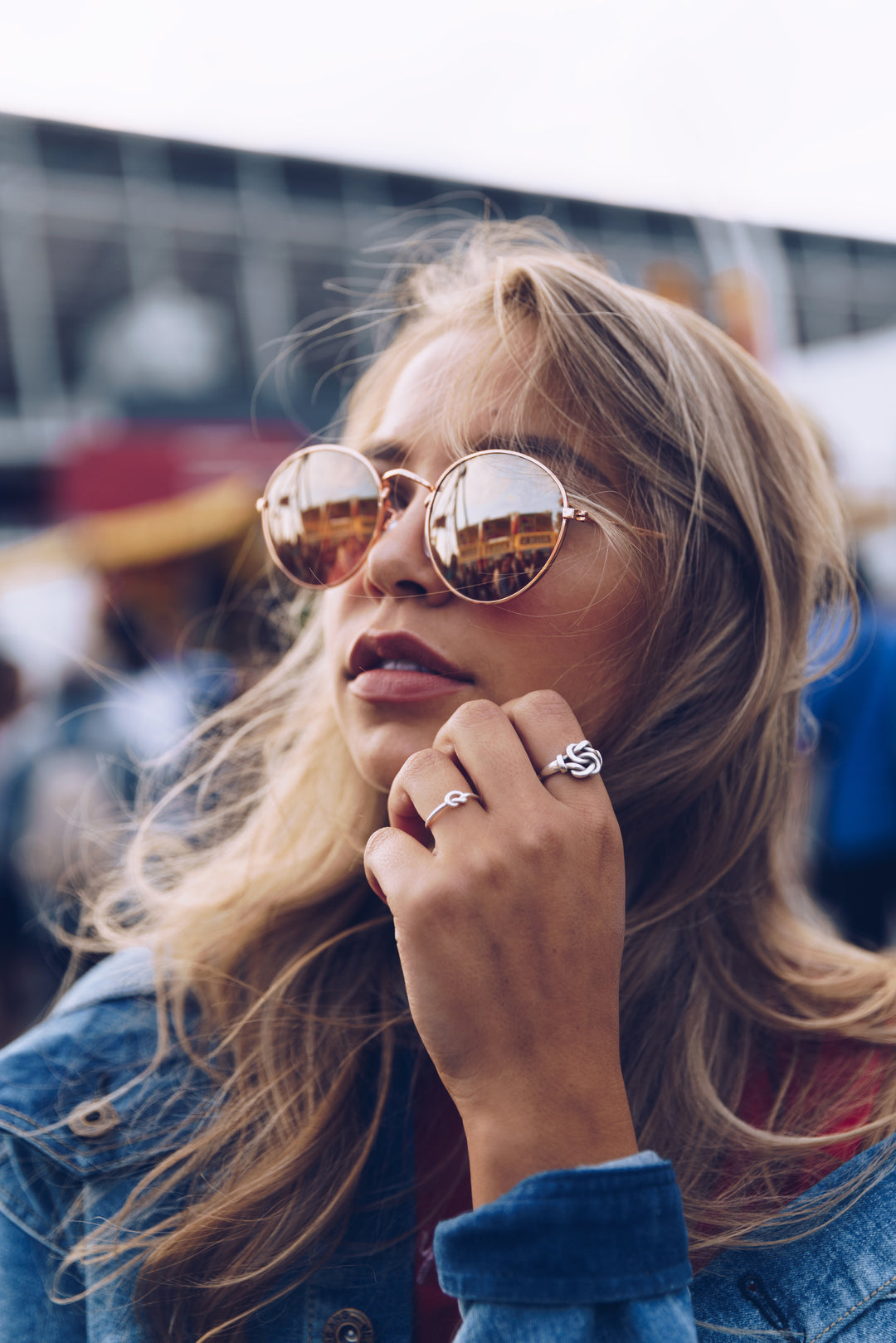
Oval stones elongate the finger, making it appear slimmer. This is why many brides‑to‑be with shorter fingers choose ovals. Round stones add a classic, balanced look that works well with any hand size. The optical illusion created by the oval shape is powerful; the vertical or horizontal lines of the stone guide the eye along the length of the finger, creating a streamlined appearance. This is particularly beneficial for those with shorter or wider fingers, as it adds a sense of length and grace. Conversely, round diamonds create a focal point that is centered and balanced. They do not stretch the finger but rather highlight the hand's natural structure. For individuals with longer, slender fingers, a round diamond provides a perfect counterbalance, adding weight and presence without elongating the hand further. The choice here is often about personal preference: do you want the stone to modify the look of your hand, or to complement it?

Collar Mano de Fátima Plata 925 y Zirconia - Joyería Mexicana — View at Gold Shield →
How do I choose between oval and round for my jewelry?
We start by asking: what vibe do you want the piece to convey? If you love vintage glamour and a finger‑lengthening effect, oval is the answer. If you prefer timeless sparkle that never goes out of style, round is your go‑to. This initial question helps narrow down the vast array of options available. The oval cut often carries a sense of romance and individuality, reminiscent of the Art Deco era where elongated shapes were highly fashionable. It suits those who want a statement piece that feels personal and distinctive. On the other hand, the round diamond is the epitome of classic elegance. It is the shape most associated with traditional engagement rings and is rarely seen as "out of style." Choosing between the two is less about which is "better" and more about which aligns with your personal aesthetic and the message you want your jewelry to send.
Our customers often compare the two when customizing a pendant or a pair of stud earrings. The decision usually comes down to three factors: personal style, hand shape, and budget. Personal style is perhaps the most subjective factor; do you prefer clean lines and geometric precision, or softer, flowing curves? Hand shape, as mentioned earlier, plays a significant role in how the stone sits and looks. Finally, budget is a practical consideration that influences the size and quality of the stone you can afford. By evaluating these three factors together, you can make a more informed decision that balances aesthetics with practicality. We encourage our clients to try on both shapes if possible, as the feel and look of the stone on the hand can be very different from what is expected from photos alone.
Because oval diamonds appear larger, you can often get a bigger‑looking stone for the same carat price as a round. This is a key advantage for those who prioritize visual impact. If your goal is to have a stone that catches the eye and appears substantial, the oval cut offers a more efficient use of your budget in terms of perceived size. However, it is important to remember that carat weight is still a significant factor in pricing. A 2-carat oval will still be significantly more expensive than a 1-carat oval, but the face-up difference between a 1-carat and a 2-carat oval is less pronounced than the difference between a 1-carat and a 2-carat round, due to the elongated shape. This makes ovals a smart choice for those who want to maximize their visual impact without exceeding their budget.
Style considerations
Oval works beautifully in elongated settings like a solitaire halo or a three‑stone line. Round shines in classic solitaire, pavé, or mixed‑shape designs such as a round‑centered halo with oval side stones. The setting you choose can enhance the natural beauty of the stone. For ovals, settings that follow the elongated lines, such as a halo that mirrors the oval shape or a three-stone design with smaller ovals on the sides, create a cohesive and elegant look. These settings emphasize the length of the stone and add to the finger-lengthening effect. For rounds, classic solitaire settings allow the stone to speak for itself, while pavé settings add extra sparkle by surrounding the center stone with smaller diamonds. Mixed-shape designs, such as a round center with oval or marquise side stones, offer a modern twist on traditional designs, combining the brilliance of the round with the elegance of the oval. The key is to choose a setting that complements the shape of the stone rather than competing with it.
Hand shape and finger length
If you have a short or wide finger, an oval can create a visual stretch. For longer fingers, a round adds balance without overwhelming the hand. The relationship between the stone and the hand is crucial in jewelry design. For individuals with shorter fingers, an oval stone oriented vertically can make the finger appear longer and more slender. This is a common choice for those who want to add a touch of elegance and length to their hand. For those with longer fingers, a round diamond provides a perfect focal point that balances the length of the hand. A round stone on a long finger can look sophisticated and refined, while an oval might elongate the hand further, which may not be desired. It is important to consider the proportions of your hand when choosing a stone shape, as the right choice can enhance your natural beauty and create a harmonious look.
Budget impact
Because the market values round diamonds slightly higher, an oval of the same carat can be 5‑10% less expensive. That extra saving can be redirected to a higher metal purity—say, upgrading from 14k to 18k gold. This price difference is due to the higher demand for round diamonds, which are considered the most brilliant and versatile shape. By choosing an oval, you can save money on the stone itself, which allows you to invest in other aspects of the piece, such as the metal quality or the complexity of the setting. For example, if you are on a budget, you might choose an oval diamond and use the savings to upgrade to 18k gold, which has a richer color and is more durable than 14k gold. Alternatively, you could use the savings to add more accent stones or a more intricate design. This flexibility makes ovals a practical choice for those who want to maximize the value of their investment while still achieving a high-end look.
What materials are best for setting oval or round diamonds?
Gold Shield offers solid 10k, 14k, 18k gold, and 925 sterling silver. All are hypoallergenic, so you won’t develop a rash even after years of wear. 10k gold, with its 41.7% purity, is the most resistant to scratches and everyday wear, making it an excellent choice for daily jewelry that still needs a warm gold tone. 14k gold balances durability and color, containing 58.5% gold and 41.5% other metals, which gives it a rich, classic hue while maintaining a sturdier structure than 18k. 18k gold, with 75% pure gold, offers the most luxurious warm glow but is slightly softer, so it is best reserved for pieces that will be worn less frequently or treated with extra care. 925 sterling silver (92.5% silver) is bright, affordable, and lends a contemporary feel; however, it can tarnish over time. Our customers love the antique look that silver develops, and we include a polishing cloth with every order to keep it shining.
We also work with moissanite and certified natural gemstones for those who want sparkle without the diamond price tag. Each stone is set to order, meaning you get a truly one‑of‑a‑kind piece. Moissanite, for instance, offers a brilliance that rivals diamond but at a fraction of the cost, and its hardness (9.25 on the Mohs scale) makes it highly resistant to scratching. Natural gemstones such as sapphires or rubies can be paired with oval or round settings to create a bold, personalized statement that still captures the elegance of a classic diamond.
Our 3‑D design process lets you see how a 0.75 ct oval will sit in a 14k gold bezel versus a 0.75 ct round in a 925 silver halo before you approve the render. This visualization helps you anticipate how the shape will reflect light, how the metal will frame the stone, and how the overall piece will fit your style and lifestyle. You can also experiment with different metal thicknesses and settings to see how they affect the stone’s visibility and the piece’s comfort.
Gold vs. silver for durability
18k gold contains 75% pure gold, offering a warm hue but slightly softer metal. 14k (58.5% gold) balances durability and color. 10k (41.7% gold) is the most resistant to scratches. Sterling silver (92.5% silver) is bright but can tarnish over time—our customers love the antique look, and we include a polishing cloth with every order. When choosing between gold and silver, consider the daily wear of the piece: a gold setting will hold its luster longer under constant use, while silver provides a lighter, more modern aesthetic that can be refreshed with simple polishing.
Why choose solid metal over plating?
Plated pieces have a thin layer of gold over base metal; they can wear off. Our solid pieces guarantee the karat you pay for, and we back it with a guarantee and real customer reviews. Solid metal not only ensures longevity but also preserves the exact color and value of the metal, which can be important if you plan to pass the piece down as an heirloom or sell it in the future.

Collar Mamá Plata 925 y Zirconia - Joyería Mexicana — View at Gold Shield →
How does the price of an oval compare to a round diamond?
Price is driven by carat weight, cut quality, color, and clarity—the 4 Cs. Shape adds a small premium: round diamonds typically carry a 5‑10% price premium over ovals of the same weight and quality. This difference stems from the fact that round brilliant cuts are more common, have a longer production history, and often command higher demand in the market. Oval cuts, while slightly less expensive, still offer a striking, elongated appearance that can make a piece feel larger and more elegant.
According to the GIA, a 1.00 ct round brilliant with VS2 clarity and G color averages $9,800 in the U.S. market, while a 1.00 ct oval of the same grade averages $8,800 (source: GIA). These figures illustrate how the shape itself can influence the cost, even when all other factors are identical. When shopping for a diamond, it’s useful to compare the price per carat across shapes to determine the best value for your budget.
Because Gold Shield cuts out the middleman, our factory‑direct pricing often saves an additional 10‑15% compared to retail jewelers. This cost advantage means you can either opt for a larger stone or choose a higher grade without exceeding your budget. For example, a 0.75 ct oval in a 14k gold setting can be priced competitively with a 0.75 ct round in a more expensive 18k gold setting.
Cost‑saving tips
Choose a slightly lower color (H‑I) or clarity (SI1‑SI2) that still looks flawless to the naked eye. Pair an oval with 14k gold to keep the overall cost down while maintaining durability. Another strategy is to select a stone with a more efficient cut; for instance, a well‑cut oval may reflect light more efficiently than a poorly cut round, providing similar brilliance at a lower price point.
Transparent pricing ranges
For a custom 0.75 ct oval set in 14k gold, expect $2,200‑$2,800. The same carat round in 14k gold runs $2,500‑$3,200. Prices include the stone, metal, engraving, and insured shipping to the USA. By reviewing these ranges, you can see how the shape and metal choice directly influence the final cost and make an informed decision that balances beauty, quality, and budget.
What is the buying and customization process at Gold Shield?
We keep it simple: you pick a shape, metal, and any extra details; we source a certified stone; you approve a 3‑D render; we cast and ship. In practice this means you never have to guess how the final piece will look, because every decision is confirmed with a visual prototype before any metal is cut or any stone is set.
First, you browse our collections—like the Joyeria con Zirconia - Brillo Tipo Diamante—to get inspiration. Each collection page includes high‑resolution photos, a short video of the piece being turned on a 360° turntable, and a brief description of the recommended metal finishes. Then you contact us via WhatsApp (+1 845 622 6479) with your preferences; our design consultants ask follow‑up questions about stone size, metal color, and any personal engravings so the quote reflects exactly what you want.
Within 48 hours we send a digital rendering showing the exact oval or round stone, metal finish, and any engraving you request. The render is interactive: you can rotate it, zoom in on the setting, and even view it against different skin tones. Once you say “yes,” we hand‑craft the piece in our Mexico workshop, where master artisans use CAD‑driven CNC milling for the metal and hand‑set the stone under a jeweler’s loupe. The finished item is then packaged in a tamper‑proof box, insured, and shipped to the USA, usually within 10‑14 business days. A tracking number and insurance certificate are emailed to you the moment the package leaves the factory.
Engraving options
Names, dates, or a short phrase can be laser‑etched on the inside of a band or on the back of a pendant. We offer a variety of typefaces—from classic serif to modern script—and can match the engraving depth to the metal thickness for a subtle yet durable mark. The cost is included in the final quote, and a preview of the engraving appears on the 3‑D render so you can see exactly how it will look before we begin.
Why 3‑D design matters
Seeing the stone in a virtual setting eliminates surprise. One of our customers, Maria from Texas, chose an oval sapphire for a cocktail ring; the render showed exactly how the sapphire would sit in an 18k gold bezel, and she loved the result before we cut any metal. Another client, Jorge in California, compared a round diamond set in white gold versus yellow gold using the same 3‑D tool; the side‑by‑side view helped him decide on the metal that best enhanced the fire of his stone. These examples illustrate how the digital step saves time, reduces returns, and ensures the final piece meets the client’s aesthetic expectations.

Collar Corazón Plata 925 con Chapa de Oro 14k y Zirconia — View at Gold Shield →
How should I care for oval and round diamond jewelry?
Both shapes require the same care because they’re made of the same material. Clean with a soft brush, mild soap, and warm water to remove everyday oils and dust. For a deeper clean, use an ultrasonic cleaner no longer than 30 seconds; this short burst removes microscopic buildup without stressing the setting. After cleaning, dry the piece with a lint‑free microfiber cloth to avoid water spots.
Store each piece separately in a soft pouch or a jewelry box with individual compartments to avoid scratches. For valuable items we recommend a fabric-lined drawer with a separate compartment for each ring or pendant, and a silica‑gel packet to control humidity, which can affect silver over time.
Our hypoallergenic gold and silver are low‑maintenance, but we recommend polishing 925 silver every six months to keep its shine. Use a silver polishing cloth rather than a chemical dip, and avoid abrasive pads that could dull the metal edges around the stone’s bezel.
Insurance and shipping
All orders ship insured. If you lose or damage your piece, our warranty covers repair or replacement of the metal, though the stone is covered by the original certification. We also provide a downloadable insurance appraisal that lists the metal weight, stone carat, cut, and a high‑resolution photo, making it easy to file a claim with your personal insurer.
Professional cleaning
Bring your Gold Shield pieces to a certified jeweler every 12‑18 months for a professional clean and check of the setting. During this visit the jeweler will inspect prongs, verify that the bezel remains snug, and re‑secure any loose stones. They can also re‑polish any minor scratches on the metal that home cleaning might miss, ensuring the piece retains its showroom brilliance.
What are the common mistakes people make when buying oval or round diamonds?
The biggest error is focusing only on carat weight. A poorly cut oval can look smaller than a well‑cut round of lower weight because the oval’s elongated shape spreads light differently. Buyers often overlook the depth‑to‑table ratio, which determines how much sparkle the stone will exhibit, especially in an oval where a high depth can make the stone appear “deep‑set” and less lively.
Another mistake is ignoring the setting metal. A thin 10k gold bezel may not protect a larger oval as well as a 14k or 18k setting. The metal’s hardness and thickness directly affect how well the stone is held in place, and a weak bezel can lead to chipping of the stone’s edges over time, especially for stones over 0.80 ct.
Finally, many shoppers skip the engraving option, missing a chance to add a personal touch that can increase sentimental value. Engraving also creates a unique identifier that can be useful for insurance purposes, as the inscription can be cross‑referenced with the certification documents.
How to avoid a low‑quality cut
Ask for a GIA or IGI report. In our shop we only use certified stones and provide a copy of the report with every order. Look for the “cut” grade (Excellent, Very Good, Good) and examine the table percentage and depth percentage; for ovals a table between 53‑58% and depth between 60‑66% usually yields the best balance of size and brilliance.
Choosing the right metal thickness
For stones over 0.90 ct, we recommend a minimum 1.5 mm bezel in 14k gold to ensure security. If you prefer a lighter feel, a 1.2 mm bezel in 18k gold is acceptable, but we always advise a thicker bezel for stones with a high crown height, as they exert more pressure on the prongs. For delicate pieces like pendant settings, a reinforced back‑plate adds extra protection without altering the visual profile.
Which occasions are best for gifting an oval vs. a round diamond?
Round diamonds remain the quintessential choice for traditional engagements, largely due to their deep-rooted symbolism of eternal commitment and unbroken circles. Their symmetrical geometry offers a sense of balance and permanence that appeals to those who value classic heritage. In contrast, oval diamonds have emerged as a sophisticated alternative for milestone anniversaries, significant birthdays, or as a bold statement piece for high-profile cocktail events where uniqueness is prized over convention.
Because the elongated structure of an oval cut allows it to visually appear larger than a round stone of the same carat weight, it has become a strategic gift for recipients who prioritize maximum visual impact and sparkle without necessarily increasing the budget significantly. This "size illusion" makes ovals particularly compelling for major life transitions, such as a 30th birthday celebration or a graduation ceremony, where a piece that feels substantial and luxurious is desired.
Our experience in the Mexican fine jewelry market shows a consistent trend: we have shipped dozens of custom oval pendants specifically for Mother’s Day. The elongated silhouette of the oval creates a vertical line that complements the neckline beautifully, looking especially stunning when set on a simple, delicate 14k gold chain. This combination offers a refined, modern aesthetic that distinguishes the wearer from the sea of standard round-stone gifts.
Engagement rings
When selecting an engagement ring, the choice between shapes often reflects personal style and finger anatomy. Choose the round brilliant cut for timeless, classic elegance that will never go out of fashion. However, choose the oval cut if the bride-to-be has a fondness for vintage aesthetics or if she has longer, slender fingers; the oval shape provides a flattering, finger-lengthening effect that enhances the hand’s natural proportions and adds a touch of romantic flair to the proposal piece.
Everyday luxury
For daily wear, both shapes offer distinct advantages in terms of comfort and style. Round stud earrings are the gold standard for versatility, fitting seamlessly into any wardrobe from professional office attire to casual weekend outings. Oval studs, on the other hand, add a subtle yet sophisticated twist to this classic staple. Their unique orientation catches the light differently as the head moves, providing a dynamic sparkle that keeps everyday luxury interesting without being overly flashy or prone to snagging on clothing.
How does Gold Shield ensure authenticity and quality?
At Gold Shield, integrity is non-negotiable. Every gemstone we source and set is certified as natural, whether it is a diamond, moissanite, or a precious colored stone. We do not compromise on material purity; our gold and silver are rigorously tested and stamped with the proper karat marks (10k, 14k, 18k) to guarantee metal content. Furthermore, we include a detailed certificate of authenticity with every single shipment, ensuring you have permanent proof of your investment and the provenance of your jewelry.
We believe in complete transparency throughout the buying journey. We maintain a detailed, transparent pricing sheet that we provide upon request, allowing you to understand exactly what you are paying for in terms of materials, labor, and craftsmanship. This openness is reinforced by real, verifiable reviews from satisfied customers across the USA, which collectively back our guarantee and demonstrate our consistent commitment to customer satisfaction and product excellence.
Our manufacturing process is governed by strict protocols. Our workshop in Mexico adheres to ISO‑9001 quality standards, ensuring that every step from design to final polish meets international benchmarks for consistency and reliability. Before any piece leaves our facility, it undergoes a meticulous final inspection by a senior jeweler to check for stone security, metal finish, and overall aesthetic perfection, ensuring it arrives at your door in flawless condition.
Real customer feedback
“The oval diamond ring I ordered arrived exactly as I imagined. The 3‑D preview saved me from second‑guessing, and the engraving made it personal. Shipping was fast and insured.” – Alex, New York. This feedback highlights the importance of our digital preview tools and secure logistics, which mitigate the risks often associated with online international shopping and give customers the confidence to customize their dream piece.
Why factory‑direct matters
By operating as a direct-to-consumer manufacturer, we eliminate the substantial retail markups and middleman costs inherent in traditional jewelry stores. This structural advantage allows us to offer high-quality 10k‑18k gold jewelry at price points that rival mass-market retailers, yet we maintain the exclusivity of a handcrafted, one-of-a-kind piece. You receive the quality of a bespoke atelier with the accessibility of modern online pricing, ensuring that luxury is attainable without sacrificing craftsmanship.
Ready to see the difference for yourself? Message us on WhatsApp (+1 845 622 6479) with your preferred shape, metal, and any engraving idea, and we’ll send you a free 3‑D render within 24 hours. Your perfect oval or round diamond is just a click away.