Silver
Silver is a precious metal that has been used by different cultures since ancient times. Its discovery is estimated to date back to around 5000 B.C. This metal became valuable in many civilizations due to its beauty, durability and versatility in making decorative objects, utensils, tools and coins.
Properties and characteristics
Silver is a white, shiny and malleable metal that has high electrical and thermal conductivity, which makes it an ideal material for making electronic and electrical components. In addition, it has antimicrobial properties that have been used since ancient times in medicine and water purification.
Production and world reserves
The main reserves of silver are found in Mexico, Peru, China, Australia and Russia, with Mexico being the world's leading producer. Silver production comes both from mining specifically for this metal and as a byproduct of the extraction of other metals, such as gold, copper, lead and zinc.
Applications of silver
Silver has a wide variety of applications across different sectors, the most notable of which include:
Jewelry and silversmithing
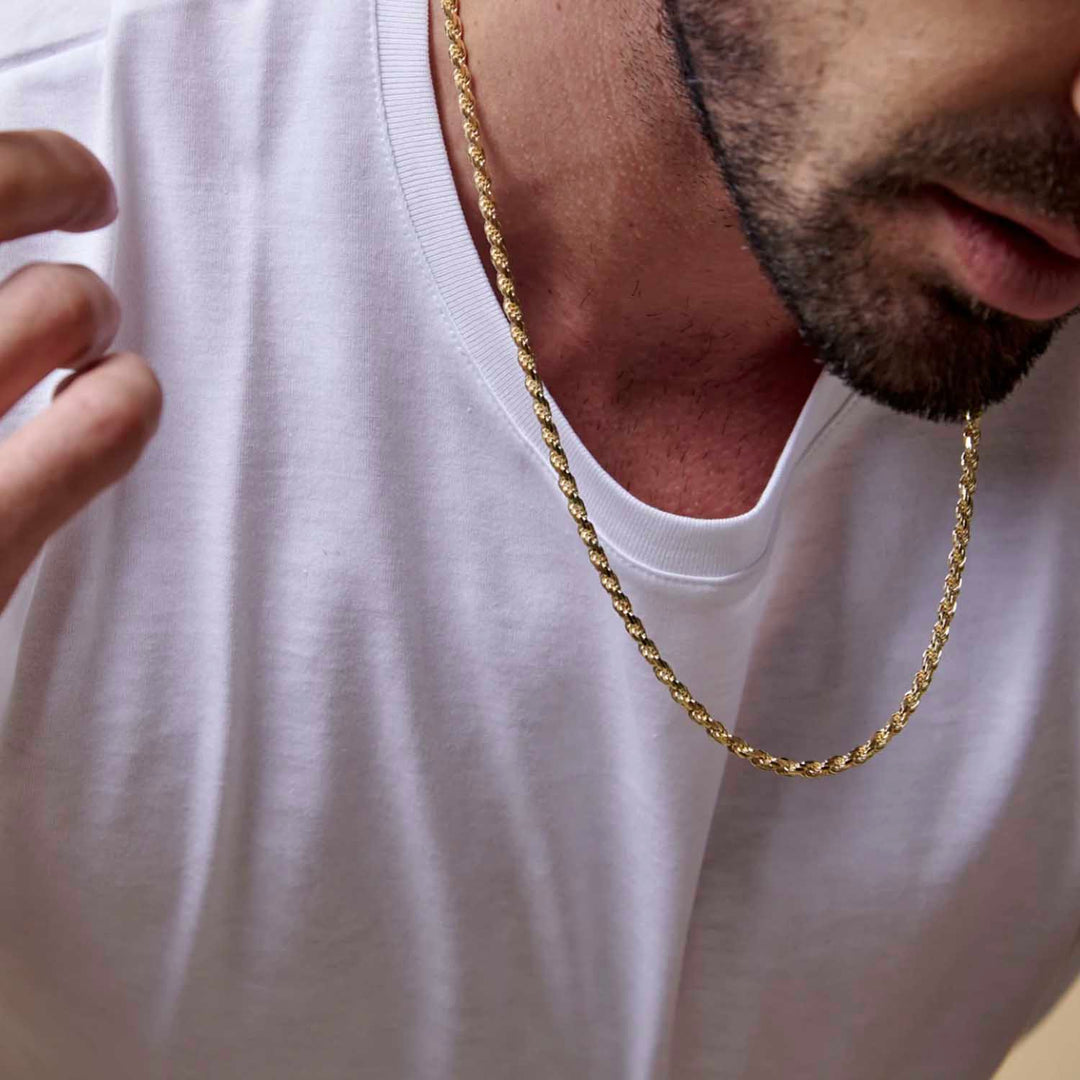
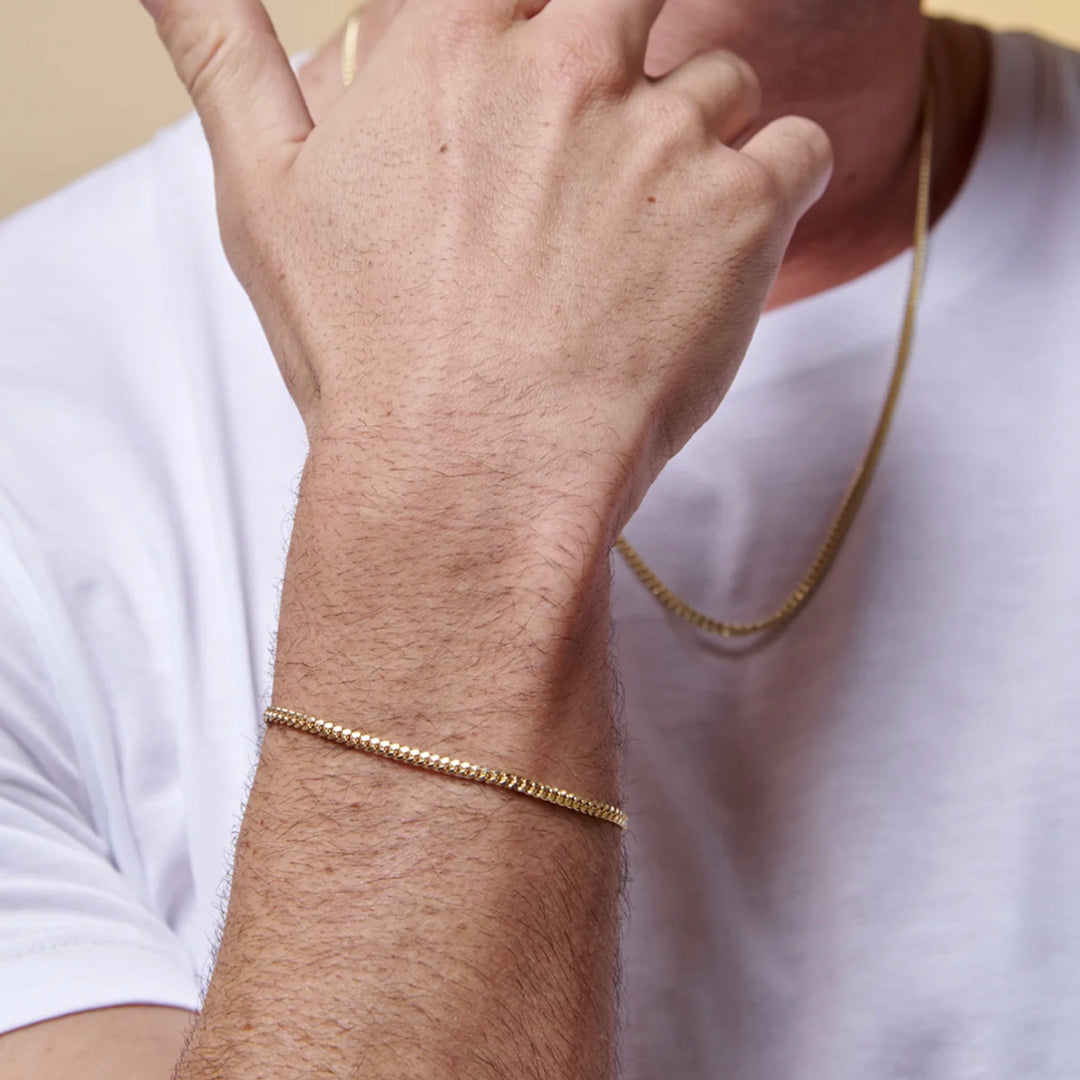
Silver is a highly prized material for making jewelry and decorative objects, such as rings, necklaces, bracelets, earrings, candelabras and flatware. The silver alloy known as sterling silver, made up of 92.5% silver and 7.5% copper, is the most widely used in sterling silver jewelry and silversmithing.
Investment coins and bullion
Silver coins and bullion are a popular way to invest in this precious metal. There are different types of silver coins and bullion available on the market, such as the coins from the Mexican Mint, which are recognized worldwide for their quality and design.
Industry and technology
Silver is widely used in industry and technology because of its electrical and thermal properties. Among the most common uses are the manufacture of electronic components, such as integrated circuits and electrical contacts, as well as the production of solar panels and high-capacity batteries.
Medicine
The antimicrobial properties of silver have been harnessed in medicine to prevent and treat infections. In addition, it is used in making antimicrobial dressings and bandages and in water purification within treatment systems.
Silver in the market
There are different ways to invest in silver, some of which include:
Investing in physical silver
Investing in physical silver involves buying silver coins and bullion. This form of investment lets you hold the precious metal in your possession, and its value is directly related to the price of silver on the market.
Investing in mining company stocks
Another option for investing in silver is to acquire shares of mining companies dedicated to the extraction and production of this metal. The performance of these shares is usually related to the price of silver and the company's production capacity.
Investing in ETFs
Exchange-traded funds (ETFs) are an indirect way to invest in silver. These funds replicate the behavior of the price of silver on the market and allow investors to diversify their portfolio without having to physically own the metal.
Tips for investing in silver
- Learn about the silver market and its trends.
- Assess your financial goals and risk profile before investing.
- Consider diversifying your investments across different forms of silver and other precious metals.
- Research mining companies and ETFs before investing in them.
Benefits and risks of investing in silver
Investing in silver offers benefits such as protection against inflation and portfolio diversification. However, there are also associated risks, such as price volatility and the political and economic risks that may affect the production and demand for the metal. Therefore, it is important to assess the risks before making an investment decision.
Conclusion
Silver is a precious metal with multiple applications across different sectors, such as jewelry, industry and medicine. Investing in silver can be a good option to diversify your portfolio and protect against inflation. Nevertheless, it is essential to learn about the market, assess the risks and consider different investment options before making a decision. Remember that at Gold Shield, as a Mexican online jewelry brand, we offer a wide range of high-quality silver products to meet your needs.
Frequently asked questions
1. What is used to clean silver?
Silver can be cleaned with a solution of warm water, mild soap and a soft cloth. You can also use products specifically made for cleaning silver, such as cleaning cloths and liquids, which help remove tarnish and keep the metal's shine.
2. What is silver used for in jewelry?
In jewelry, silver is used to make rings, necklaces, bracelets, earrings and other accessories. The alloy known as sterling silver, made up of 92.5% silver and 7.5% copper, is the most widely used in jewelry due to its durability and shine.
3. What is silver used for in industry?
Silver is used in industry to make electronic and electrical components, such as integrated circuits and electrical contacts, as well as in the production of solar panels and high-capacity batteries, due to its electrical and thermal conductivity properties.
4. What is silver used for in medicine?
In medicine, silver is used for its antimicrobial properties to prevent and treat infections. It is also used in making antimicrobial dressings and bandages and in water purification within treatment systems.
5. What to clean silver with at home?
At home, you can use household products such as baking soda, salt and aluminum foil to clean silver. Simply soak the silver pieces in a solution of hot water, baking soda and salt, and place a piece of aluminum foil at the bottom of the container. The tarnish will transfer to the aluminum foil, leaving the silver clean and shiny.