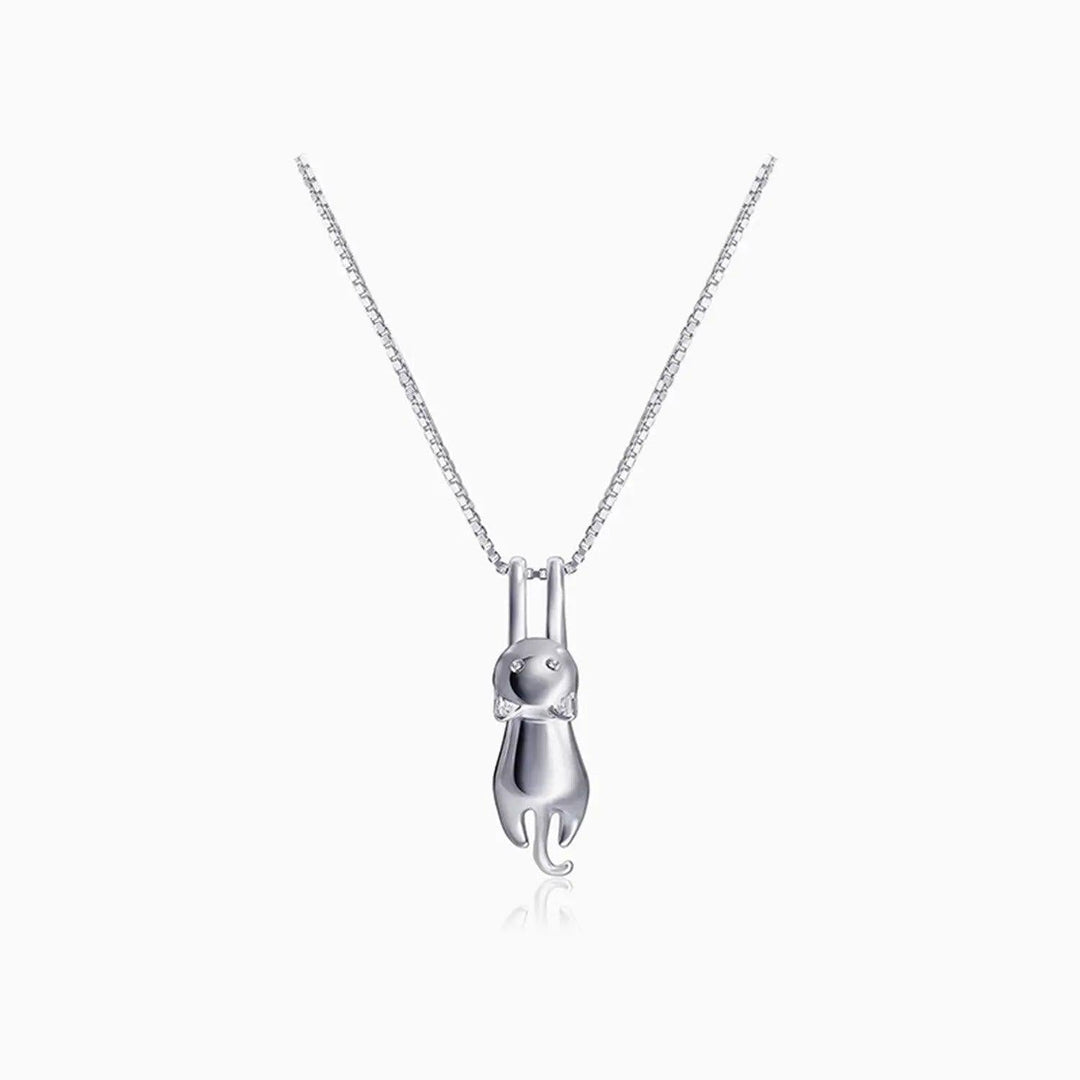
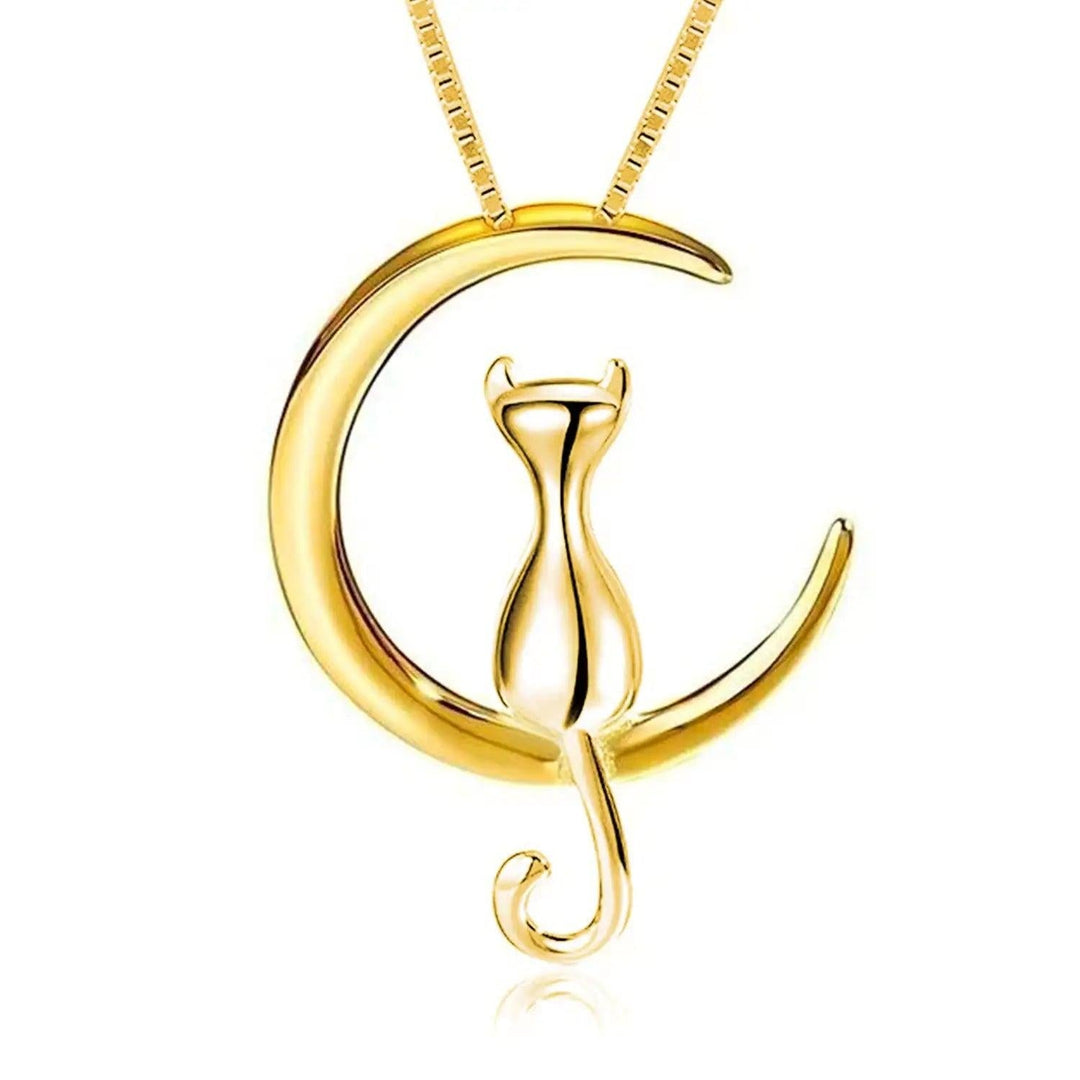
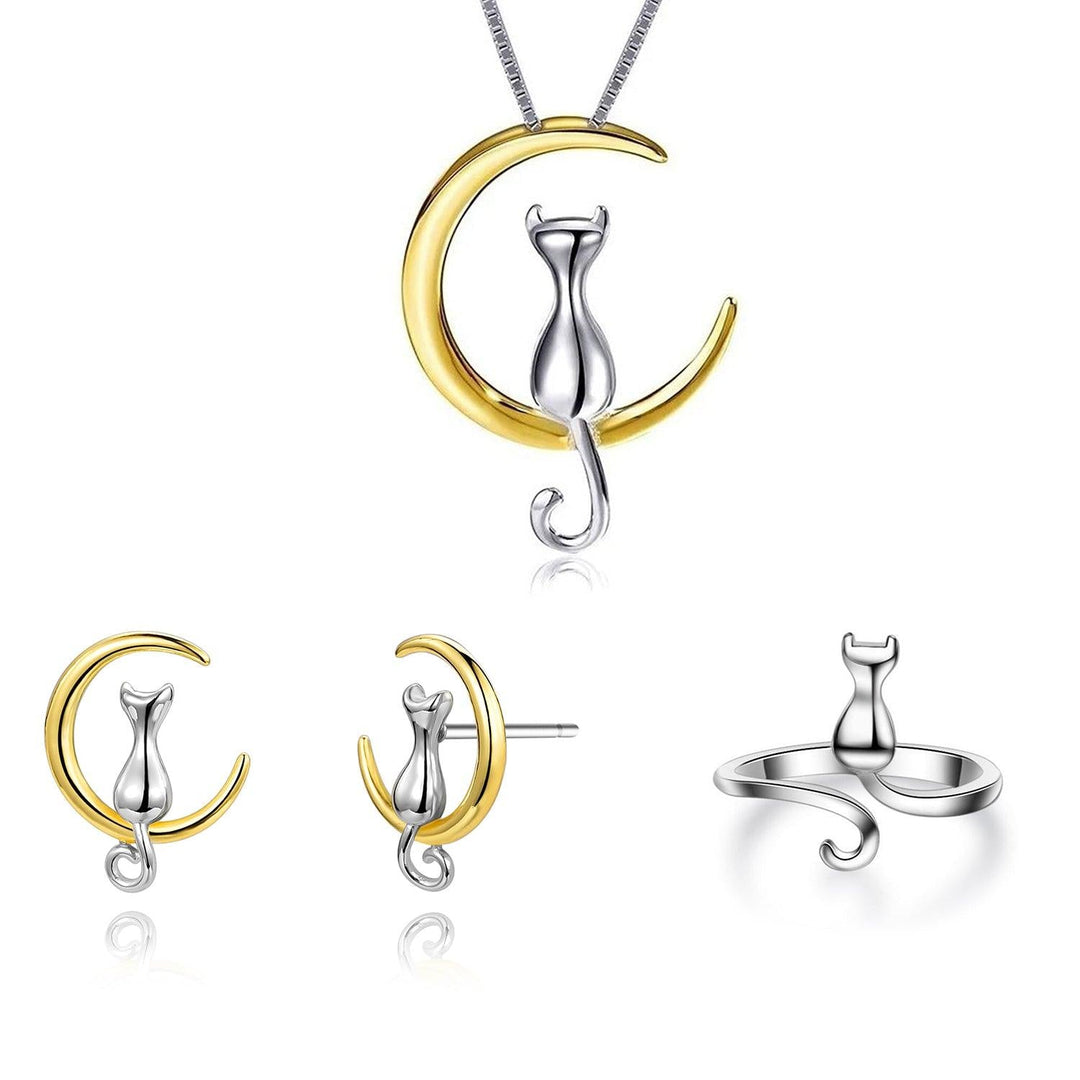
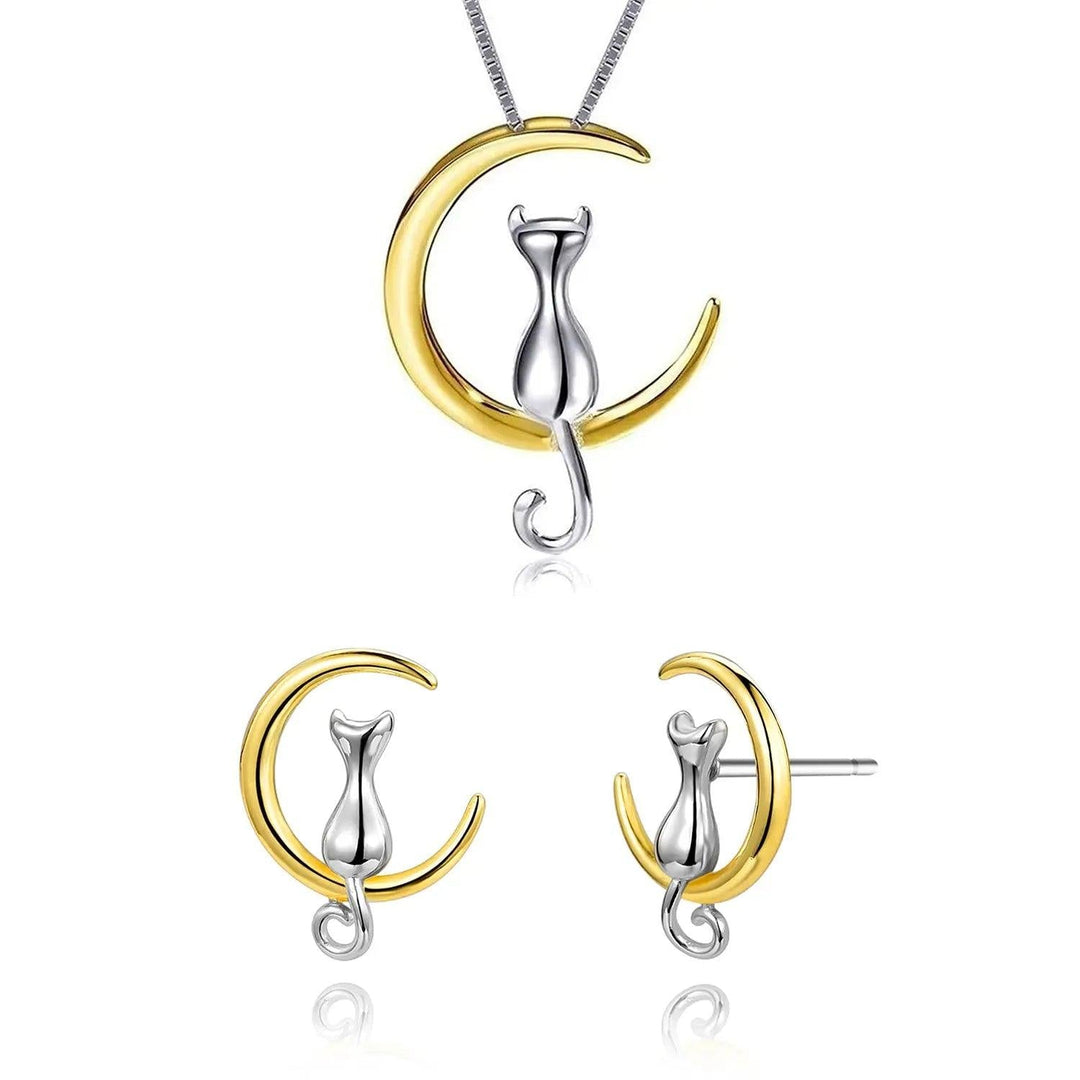
All about sterling silver 925
What is sterling silver (925)?
Pure silver is actually not made of silver alone. It is 99.9% silver, with a small content made up of other metals such as copper.
Sterling silver (925), on the other hand, consists of 92.5% silver, and the remaining part consists of alloys of various metals, mainly copper. This is the reason why sterling silver is popularly known as sterling silver (925) or simply 925 silver.
The reason silver must be combined with other metals is because it is very difficult to make large designs with pure silver alone, which is very soft and malleable. You have to introduce a bit of hardness by adding other metals such as copper. That is why jewelers are able to create the most intricate and complex designs with sterling silver (925).

925 silver price
925 silver is valued based on its weight in silver minus a transaction fee at a pawn shop. However, you should keep in mind that the price of 925 silver fluctuates based on many factors, including market volatility and the type or brand you are pawning.
Getting the best price for 925 silver requires monitoring the current market price and using the best consignment shop or pawn shop with competitive rates. The best 925 silver items to pawn are coins, antiques, bullion, watches, and jewelry.
Pure silver is a valuable resource and has an approximate value of $0.8 per gram and $814.37 per kilogram. The price can vary depending on the market price and the condition of the jewelry item. On the other hand, collectibles made of 925 silver are available for less than $10 up to hundreds of dollars. 925 silver is cheaper than pure silver, however it is better for making fine jewelry and remains a good investment over time.
AT GOLD SHIELD YOU WILL FIND THE BEST 925 STERLING SILVER JEWELRY PIECES!
Sterling silver
Sterling silver is an alloy or a combination of various types of metals. Unlike pure silver, which contains 99.9% elemental silver (Ag), sterling silver (925) contains one or more additional metals that add strength to the material that would otherwise be much more delicate.
Pure silver is naturally very soft and would easily bend or break if used for jewelry without being mixed with a stronger metal. Sterling silver jewelry is often made with 92.5% silver and the remaining 7.5% of another metal such as copper.
However, some silversmiths choose to add durability with zinc or nickel alloys instead. Many jewelry collectors prefer sterling silver fortified with copper, especially those with sensitive skin.
What is silver
Silver is a chemical element with the symbol Ag. Silver has the atomic number 47. It is a soft, white, lustrous transition metal. Silver has the best and highest electrical conductivity, thermal conductivity, and reflectivity of any metal. This metal is found in the earth's crust in pure elemental form.
Silver is a precious metal. The silvery metal is used in many ways such as in coins and bullion, often alongside gold. While it is more abundant than gold, silver is much less abundant as a native metal.
The main use of silver, besides coinage, is for the manufacture of jewelry and other general-use items, which remains one of its most important uses today.
How to tell if it is 925 silver?
- Check for the "925" stamp: 925 silver jewelry has a stamp with the same number in some discreet spot, such as the inside of a ring band or the clasp, etc...
- Smell test: although you might expect 925 silver to have a metallic smell similar to a coin, sterling silver (925) does not have a strong odor.

- Cloth cleaning test: 925 silver jewelry will leave black marks on the fabric when cleaned with a soft, bright-colored cloth because silver oxidizes in the air.
- Magnet test: 925 silver is not magnetic, so if the jewelry is attracted to it, it is not sterling silver.
- Tarnish test: 925 silver tarnishes over time and it will show without any problem. To prevent tarnishing, 925 silver may need to be stored in an airtight container or bag. In addition, a thin coat of wax will help prevent jewelry from tarnishing.
Types of silver
- 925 silver: It is an alloy of 92.5% silver. The remaining 7.5% is usually copper, although sometimes it is other metals such as nickel. The other metals in the alloy increase the hardness, so the material will be more durable. The alloy additions also create the color and shine that consumers value so much. 925 silver is harder than fine silver, but it is still soft compared to other metals. The most common quality stamps are .925 and Stg
- Fine Silver 999: Fine silver 999 is the metal closest to the element pure silver. It is marked .999, indicating a purity of 99.9%. The remaining 0.1% consists of trace elements in negligible amounts. Fine silver has a more glassy shine than the bright polish of sterling. It looks grayer and slightly dull. This type of silver is quite soft and scratches, dents, and changes shape fairly easily.
- Argentium Silver: Tarnish-resistant alloys are relatively new to the market. Argentium is a brand but there are others available that are similar. These alloys have a minimum of 92.5% silver, although some will have a slightly higher silver content. The rest consists of copper and the addition of the element germanium. Germanium makes the alloy harder and more tarnish-resistant.
- Coin Silver: Coin silver was once a more common alloy in the world. Now it is quite rare and the name causes quite a bit of confusion. The technical alloy of "coin silver" is .900 silver, or 90% silver and 10% copper. The name "coin silver" comes from the fact that silversmiths historically made items from melted scrap metal. At the time the name was given, coins were made with more precious metals than they are today.
- Silver-Filled: Silver-filled is a new layered metal that was introduced during the recent rise in silver prices during the recession. It is not an alloy because the metal content is not the same throughout the material. Instead, the 925 silver is all on the surface. Silver-filled has 5% or 10% sterling silver by weight fused with heat and pressure to a brass core. This metal is quite new, so it is not yet standardized.
- Alpaca: Alpaca is a bit of a misnomer because the "silver" describes the color of the metal and not the content. This is a base metal alloy consisting mainly of copper with nickel and/or zinc. This type of silver is an economical base metal that is similar in appearance to sterling silver but contains no real silver at all. It is quite soft and is an excellent metal for practicing. Alpaca has many other names in the market such as alpaca silver or German silver.
- Tibetan Silver: Tibetan silver and many other types of silver described as "tribal" silver, among others, are base metal alloys that only have the appearance of silver. The content of the alloys varies enormously and many contain no silver content at all. Some of these imports from exotic lands contain dangerous metals such as lead. Tribal pieces can be quite beautiful, so their value lies in the design and not the cost of the metal.
- Balinese, Thai, and Mexican Silver: There is a great deal of quality silver coming out of Bali, Thailand, and Mexico; however, that silver must also be marked and identified with a quality stamp and/or a quality statement. The name of the country of origin is no guarantee of quality or silver content on its own.
What does 925 silver mean?
In genuine sterling silver jewelry, you can find the 925 stamp or some variation of the word sterling in some discreet spot such as the back of a pendant or inside a band. 925 silver on jewelry represents the amount of silver it contains. If the stamp is very small, a jeweler's loupe or a common magnifying glass can be helpful in spotting the 925 silver stamp and other jewelry stamps.