Tanzanite Ring: The Ultimate 2026 Buyer's Guide | Gold Shield
A Guide to the Enchanting Tanzanite Ring
Found in only one place on Earth, in the shadow of Mount Kilimanjaro, tanzanite is a gemstone of breathtaking rarity and beauty. Its mesmerizing shift of colors, from deep ultramarine blue to vibrant violet and even flashes of burgundy, makes it one of the most captivating jewels in the world. A tanzanite ring isn't just a piece of jewelry; it's a piece of our planet's unique geological history, a statement of individuality, and a treasure to be cherished for a lifetime.
Quick Summary: Your Tanzanite Ring TL;DR
- Extreme Rarity: Tanzanite is a pleochroic gemstone found only in a tiny 4km stretch of land in Tanzania, making it over 1,000 times rarer than diamonds. Its value is tied to this finite supply and its stunning color.
- Quality is Key: A tanzanite's value is primarily determined by its color saturation (deep blue-violet is best), clarity (eye-clean is the standard), and cut quality. At Gold Shield, we use only certified natural gemstones for our custom pieces.
- Customization is Everything: A tanzanite ring should be as unique as its wearer. Gold Shield specializes in a fully custom process where you select your one-of-a-kind tanzanite, choose your solid gold (10k, 14k, 18k) or sterling silver setting, and approve a 3D design render before our artisans in Mexico begin handcrafting your ring.
- Proper Care is Crucial: With a Mohs hardness of 6.5-7, tanzanite requires mindful care. Clean it gently with warm, soapy water and a soft brush. Avoid ultrasonic cleaners, harsh chemicals, and high-impact activities to preserve its beauty.

Tanzanita Azul Violeta Natural 1.27ct Corte Octágono Tanzania — View at Gold Shield →
What is a Tanzanite Ring and Why Is It So Special?
A tanzanite ring is a piece of fine jewelry that features the rare and beautiful gemstone tanzanite as its centerpiece. This gemstone is a blue-violet variety of the mineral zoisite, discovered in the Merelani Hills of Northern Tanzania in 1967. Its allure comes not just from its stunning appearance but from its incredible scarcity. Unlike diamonds or sapphires which are mined in multiple countries, gem-quality tanzanite has only ever been found in this single, small location, making it a true geological phenomenon.
What truly sets tanzanite apart is its remarkable optical property known as pleochroism. This means it can display different colors when viewed from different angles. A single tanzanite stone can simultaneously show shades of deep sapphire blue, rich amethyst violet, and even subtle hints of burgundy or red. A skilled cutter can orient the stone to emphasize either the blue or the violet hues, making each gem a unique work of art before it's even set into a ring.
This inherent rarity and unique color-shifting quality make a tanzanite ring an exceptionally special choice. It's a modern classic, perfect for those who want a piece of jewelry that is both elegant and distinctive. Owning a tanzanite ring means wearing a piece of a legacy, a gem from a single-source generation that may not be available forever. It’s a conversation starter and a symbol of sophisticated, unconventional taste, far from the common choices seen every day.
How Do You Judge the Quality of a Tanzanite Gemstone?
You can judge the quality of a tanzanite gemstone using a method similar to diamonds: the 4 Cs, which are Color, Clarity, Cut, and Carat Weight. For tanzanite, however, color is by far the most dominant factor in determining its beauty and value. A deep, highly saturated color is the most coveted attribute of a high-quality tanzanite.
Understanding Tanzanite's Unique Color Spectrum
The most desirable tanzanite color is a vivid, intense blue-violet or violet-blue. Lighter, less saturated shades of lilac or pale blue are more common and therefore less valuable. The finest stones display a deep, royal blue that is often compared to high-quality sapphire, but with that signature violet flash that makes it unmistakably tanzanite. Most tanzanite is gently heat-treated to enhance this blue-violet color, a stable and universally accepted practice in the gem trade that brings out the stone's full potential.
At Gold Shield, we source one-of-a-kind natural tanzanite, allowing you to see the exact stone that will become the heart of your ring. Each gem in our collection is a certified natural gemstone, ensuring you know its exact characteristics. This transparency is key to choosing a stone whose color and personality truly speak to you.
Clarity and Cut: Maximizing Brilliance
Clarity refers to the absence of internal inclusions or external blemishes. The standard for high-quality tanzanite is to be "eye-clean," meaning no flaws are visible to the naked eye. Because tanzanite is a transparent stone with such rich color, inclusions can be more noticeable and detract from its beauty, so high clarity is important. Our certified gems come with clarity grading, so you are fully informed.
The cut of the tanzanite is what unlocks its pleochroism and brilliance. A master cutter will orient the rough crystal to showcase the most desirable blue or violet face-up color while maximizing light return. Poorly cut stones can look dull or have "windows" where light passes straight through instead of reflecting back. Whether you prefer a classic round brilliant, an elegant oval, or a modern cushion cut, the precision of the faceting is what brings the tanzanite to life.
Carat Weight and Its Impact
Carat weight is simply the measure of the gemstone's physical weight. As with all gems, larger tanzanite stones are rarer and thus more expensive per carat. However, it's crucial to remember that a large, pale tanzanite will be less valuable than a smaller stone with exceptional, deep color. When choosing your tanzanite, it's often better to prioritize color and clarity over sheer size to get the most beautiful and valuable stone for your budget.
What Metal Options Are Best for a Tanzanite Ring?
The best metal options for a tanzanite ring are solid gold (in 10k, 14k, or 18k) and high-quality sterling silver (925). These noble metals provide the necessary durability to protect the gemstone while offering beautiful, hypoallergenic settings that complement tanzanite's cool tones. The choice between them often comes down to budget, color preference, and desired longevity.
The Warmth and Durability of Solid Gold
Solid gold is the premium choice for a fine jewelry piece like a tanzanite ring. It's durable, valuable, and naturally hypoallergenic. At Gold Shield, we offer three standard purities, each with its own balance of purity and strength. White gold is a particularly popular choice as its cool, silvery hue makes the blue-violet of tanzanite pop. Yellow and rose gold create a warmer, more vintage-inspired contrast.
- 18k Gold (75% pure gold): The highest standard for fine jewelry, offering the richest color and most inherent value. It's softer than lower karats but perfectly suitable for a well-cared-for ring.
- 14k Gold (58.5% pure gold): The perfect balance of durability and purity. It's the most popular choice in the USA for engagement and fine jewelry rings due to its strength and beautiful luster.
- 10k Gold (41.7% pure gold): The most durable option, offering excellent resistance to scratches and dents. It's a fantastic, budget-conscious choice that still provides all the benefits of solid gold.
The Cool Elegance of Sterling Silver (925)
For those who love a bright, white metal look at a more accessible price point, sterling silver is an excellent option. Our sterling silver is 92.5% pure silver, the standard for high-quality jewelry. Like gold, it's a hypoallergenic metal, making it safe for sensitive skin. A sterling silver setting provides a stunning, cool-toned backdrop that beautifully enhances the blue and violet hues of tanzanite, making it a popular choice for fashion rings or more contemporary designs. You can explore beautiful silver designs in collections like our silver engagement rings.
Why You Should Always Choose Solid Metals
We strongly advise against plated metals (like gold-plated or vermeil) for a ring you intend to wear regularly. The outer layer of gold on plated pieces is incredibly thin and will inevitably wear away, especially on a high-contact item like a ring. This exposes the base metal underneath, which can tarnish or cause skin irritation. Gold Shield is committed to quality and transparency, which is why we only work with solid 10k, 14k, and 18k gold and solid 925 sterling silver. We guarantee the karat of our metals, so you can be confident your handmade ring is built to last.

Ópalo Negro Natural Etiopía 1.12ct Corte Marquesa — View at Gold Shield →
How Does the Custom Tanzanite Ring Process Work at Gold Shield?
The custom tanzanite ring process at Gold Shield is a collaborative and transparent journey that puts you in the designer's seat. It begins with selecting your perfect, one-of-a-kind gemstone and culminates in our Mexican artisans handcrafting a piece made just for you, with your approval at every critical step. This ensures the final ring is not just something you bought, but something you helped create.
Step 1: Selecting Your One-of-a-Kind Tanzanite
Your journey starts by exploring our curated collection of Tanzanita Natural Mexico - Piezas Unicas. Unlike mass-produced jewelry where you get a generic stone, we show you the exact, individual gemstones available. Each tanzanite is professionally photographed and comes with its certification details, including carat weight, cut, and clarity. You can choose the stone whose specific color, shape, and personality resonate with you, knowing that the gem you see is the one you will receive.
Step 2: Choosing Your Setting and Metal
Once you've fallen in love with a tanzanite, the next step is to design its home. You'll decide on the metal—be it the cool brightness of sterling silver or the rich luxury of 10k, 14k, or 18k solid gold in yellow, white, or rose. Then, you'll work with our design team to choose a setting style. Do you envision a classic solitaire that lets the tanzanite shine on its own? A glamorous halo with moissanite accents? Or a meaningful three-stone design? We can bring any vision to life.
Step 3: The 3D Design and Render Approval
This is where the magic truly happens and what sets the Gold Shield experience apart. Our designers will create a photorealistic 3D computer-aided design (CAD) render of your ring. This digital model shows you exactly how your chosen tanzanite will look in your selected setting, from every angle. You can review the proportions, the prong placement, and the overall design. We don't move forward until you are 100% satisfied and give your final approval. This step eliminates any guesswork and guarantees the ring we make is the ring you dreamed of.
Step 4: Handmade Craftsmanship and Final Touches
With your approval, our skilled artisans in Mexico begin the meticulous process of handcrafting your ring. The metal is cast, the stone is carefully set by hand, and the entire piece is polished to perfection. This is also the stage where we can add personal touches, like engraving a special name or date inside the band. The result is a truly bespoke piece of jewelry, imbued with the care and artistry of traditional craftsmanship, ready for insured shipping directly to you in the USA.
What Factors Determine the Price of a Tanzanite Ring?
The final price of a tanzanite ring is determined by a combination of three main factors: the quality and size of the tanzanite gemstone itself, the type and weight of the precious metal used for the band, and the complexity of the ring's design and craftsmanship. At Gold Shield, our factory-direct model ensures transparent pricing, giving you maximum value for your investment.
The Gemstone: Color is King
The single most significant driver of a tanzanite's cost is its color. Stones with deep, highly saturated blue-violet hues command the highest prices. A smaller tanzanite with top-tier color will often be more valuable than a much larger stone with a pale, washed-out color. Clarity and carat weight follow in importance. An eye-clean stone is the standard, and as carat weight increases, the price-per-carat also rises exponentially, as large, high-quality tanzanite crystals are exceptionally rare.
The Metal: Gold vs. Silver and Karat Purity
The choice of metal significantly impacts the overall cost. There is a clear price hierarchy based on the precious metal content. Solid 18k gold, being 75% pure, is the most expensive option, followed by 14k gold (58.5% pure), and then 10k gold (41.7% pure). Solid 925 sterling silver is the most affordable precious metal option, offering a fantastic look and quality for its price point. The total weight of the metal used in the ring's design also contributes to the final cost.
The Craftsmanship: The Value of Handmade and Custom Design
A simple, classic solitaire setting will naturally be less expensive to produce than an intricate halo design with numerous small accent stones that must be set by hand. The custom design process, including the creation of a unique 3D model and the meticulous hand-finishing by our artisans, adds immense value but is priced efficiently through our factory-direct model. By eliminating middlemen and retail markups, Gold Shield provides pricing that reflects the true cost of the materials and the expert labor involved, making bespoke luxury more accessible.
How Does Tanzanite Compare to Other Popular Gemstones?
Tanzanite holds a unique position among popular gemstones, standing out for its extreme rarity and captivating pleochroism when compared to stones like sapphire, amethyst, and the phenomenal alexandrite. While it is softer than some traditional choices, its unparalleled color and story make it a worthy and exciting alternative.
Here is a quick comparison of tanzanite against other well-known gems:
| Feature | Tanzanite | Blue Sapphire | Amethyst | Alexandrite |
|---|---|---|---|---|
| Color | Blue-Violet (Pleochroic) | Primarily Blue | Purple/Violet | Green to Red (Color-Change) |
| Hardness (Mohs) | 6.5 - 7 | 9 | 7 | 8.5 |
| Rarity | Extremely Rare | Rare | Common | Extremely Rare |
| Origin | Tanzania only | Various Locations | Various Locations | Russia, Brazil, etc. |
Tanzanite vs. Blue Sapphire
Blue sapphire is the traditional choice for a blue gemstone ring. As a form of corundum, it boasts a Mohs hardness of 9, making it exceptionally durable and suitable for everyday wear without much worry. While beautiful, sapphires are mined worldwide and lack the single-source rarity of tanzanite. Tanzanite offers a more complex color profile with its violet undertones and pleochroism, providing a more unique and modern aesthetic compared to the classic, primary blue of a sapphire.
Tanzanite vs. Alexandrite
Both tanzanite and alexandrite are phenomenal gemstones, prized for their unique optical qualities. Tanzanite is pleochroic, showing different colors from different angles under the same light. Alexandrite, on the other hand, exhibits color-change, appearing green in daylight and red under incandescent light. Both are incredibly rare. Alexandrite is harder (8.5 on the Mohs scale), but both stones are top-tier choices for collectors and connoisseurs of rare gems. If you are intrigued by phenomenal gemstones, you should explore our collection of Natural Alexandrite as well.

Zafiro Azul Verdoso Natural 0.98ct Corte Marquesa Tailandia — View at Gold Shield →
How Should You Care for and Clean a Tanzanite Ring?
You should care for and clean your tanzanite ring very gently, using only warm water, mild dish soap, and a soft-bristled brush. Due to its relative softness (6.5-7 on the Mohs scale) and sensitivity to thermal shock, it's crucial to avoid harsh cleaning methods, chemicals, and extreme temperature changes to protect the stone's integrity and brilliance.
The Dos: Gentle Cleaning at Home
The safest and most effective way to clean your tanzanite ring at home is simple. Fill a small bowl with warm water and add a few drops of mild dish soap (like original Dawn). Let your ring soak for about 15-20 minutes to loosen any dirt, oils, or lotion buildup. Then, use a very soft toothbrush (a baby toothbrush is perfect) to gently scrub behind the stone and around the setting. Rinse the ring thoroughly under warm running water and pat it dry with a soft, lint-free cloth.
The Don'ts: What to Absolutely Avoid
There are several common cleaning methods that are dangerous for tanzanite. Never use an ultrasonic cleaner. The high-frequency vibrations can cause internal fractures or damage to the stone, especially if it has any microscopic inclusions. Similarly, avoid steam cleaners and any sudden, drastic temperature changes (like plunging a cold ring into hot water), as this can cause thermal shock and crack the gem. Finally, keep your ring away from harsh chemicals, including bleach, ammonia, and acidic cleaning agents, as they can damage the stone and the metal setting.
Proper Storage and Mindful Wear
Proper care extends to how you wear and store your ring. Because tanzanite is softer than common materials like quartz (found in dust) and other gems like sapphires and diamonds, it can be scratched. Store your tanzanite ring in a separate pouch or a lined jewelry box compartment away from other jewelry. Always remove your ring before engaging in strenuous activities like sports, gardening, or heavy lifting. It's also wise to take it off before cleaning, swimming in chlorinated pools, or using hairspray and perfume to prevent residue buildup and chemical exposure.
When is a Tanzanite Ring the Perfect Gift?
A tanzanite ring is the perfect and most thoughtful gift for celebrating December birthdays, a 24th wedding anniversary, or as a uniquely personal engagement ring. Its rarity and distinctive beauty make it an ideal choice for any milestone occasion where you want to give something truly special and out of the ordinary, a gift that tells a story of uniqueness and deep appreciation.
December Birthstone and 24th Anniversary Gem
Tanzanite was officially added to the birthstone list in 2002 as a modern birthstone for December, making it a wonderful and contemporary gift for anyone born in that month. It is also designated as the official gemstone for celebrating a 24th wedding anniversary. Gifting a tanzanite ring for this occasion is a beautiful way to symbolize a love that is as rare and precious as the gem itself, celebrating over two decades of a shared journey.
A Unique and Captivating Engagement Ring Choice
For the partner who eschews tradition and values individuality, a tanzanite engagement ring is a breathtaking alternative to a diamond. Its deep, soulful color speaks of depth and passion, while its rarity makes it an incredibly romantic symbol of a one-of-a-kind love. At Gold Shield, creating a custom tanzanite engagement ring allows you to be part of the design process, crafting a piece that perfectly captures your partner's personality and your unique love story. The ability to add a personal engraving makes it even more meaningful.
A Symbol of Self-Love or a Milestone Achievement
You don't need to wait for someone else to gift you fine jewelry. A custom tanzanite ring is a powerful way to celebrate your own achievements, a major life milestone, or simply as an act of self-love. Investing in a piece of handmade, high-quality jewelry that you designed yourself is an empowering experience. It becomes a personal talisman, a reminder of your strength, success, and unique taste. Our broad collection of Natural Gemstones offers endless inspiration for creating your next personal treasure.
Frequently Asked Questions About Tanzanite Rings
- How to clean a tanzanite ring?
- The safest way to clean your tanzanite ring is at home with a bowl of warm water, a few drops of mild dish soap, and a very soft toothbrush. Soak the ring for 20 minutes, gently brush it, rinse with warm water, and pat dry with a soft cloth. Avoid harsh chemicals and ultrasonic cleaners.
- Which finger to wear a tanzanite ring?
- For an engagement ring, a tanzanite ring is worn on the fourth finger (the "ring finger") of the left hand in US tradition. For a fashion or cocktail ring, you can wear it on any finger you like! Many people choose the right hand for softer stones like tanzanite to offer it more protection from daily bumps.
- Where can I sell my tanzanite ring?
- To sell a tanzanite ring, you can approach reputable local jewelers, consignment shops specializing in fine jewelry, or respected online auction platforms. Having the original certification for the gemstone will significantly help in getting a fair price. Gold Shield specializes in creating new, custom pieces and does not purchase pre-owned jewelry.
- How to care for a tanzanite ring?
- Care for your tanzanite ring by storing it separately to prevent scratches, removing it during physical activities or when using chemicals, and cleaning it gently. Its 6.5-7 Mohs hardness means it needs more mindful wear than a diamond or sapphire.
- Where to buy a tanzanite ring?
- The best place to buy a tanzanite ring is from a specialized jeweler who offers certified natural stones and custom design, like Gold Shield. We provide a unique opportunity to select your own one-of-a-kind tanzanite, approve a 3D design, and have it handmade in solid gold or silver at factory-direct prices, with insured shipping to the USA.
- How much is a tanzanite ring worth?
- The worth of a tanzanite ring varies widely based on the stone's quality (color, clarity, cut, carat), the metal used (sterling silver vs. 10k, 14k, or 18k gold), and the craftsmanship. A ring can range from a few hundred dollars to many thousands. Gold Shield offers transparent, factory-direct pricing to ensure you get the best value.
- What is a tanzanite ring?
- A tanzanite ring is a piece of jewelry featuring the rare blue-violet gemstone tanzanite. This gem is found exclusively in a small area of Tanzania, making it one of the world's rarest and most unique gemstones.
- What does a tanzanite ring look like?
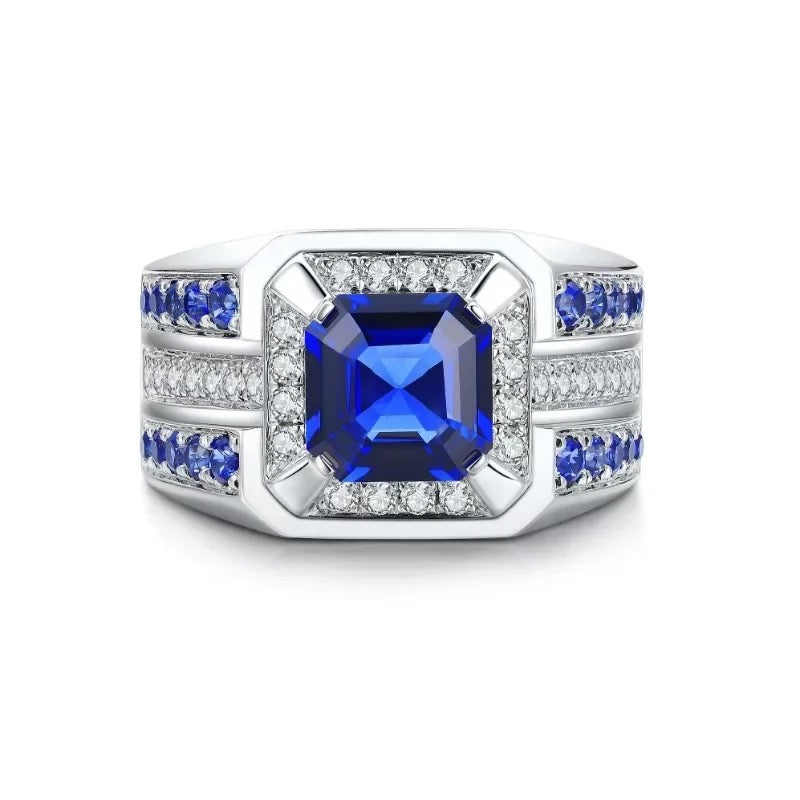
- A tanzanite ring showcases a stunning gemstone that shifts in color depending on the light and viewing angle. It primarily displays a spectrum from deep, velvety blue to vibrant violet, often with flashes of burgundy or red. The appearance is rich, luxurious, and utterly unique.
Begin Your Custom Tanzanite Journey with Gold Shield
A tanzanite ring is more than an accessory; it's a piece of Earth's rare beauty, transformed into a personal emblem of style and significance. At Gold Shield, we believe the process of acquiring such a treasure should be as special as the gem itself. Our commitment to handmade craftsmanship, transparent factory-direct pricing, and a fully custom design experience ensures you receive a ring that is unequivocally yours.
From selecting your perfect, certified tanzanite to approving the final 3D render, you are in control. Our artisans in Mexico then pour their skill and passion into bringing your vision to life in solid gold or sterling silver. The result is a one-of-a-kind masterpiece, delivered with insured shipping right to your door in the USA.
Ready to create a tanzanite ring that tells your story? Contact our design team today on WhatsApp at +1 845 622 6479 for a no-obligation quote and to explore our current collection of exquisite, natural tanzanite gemstones.