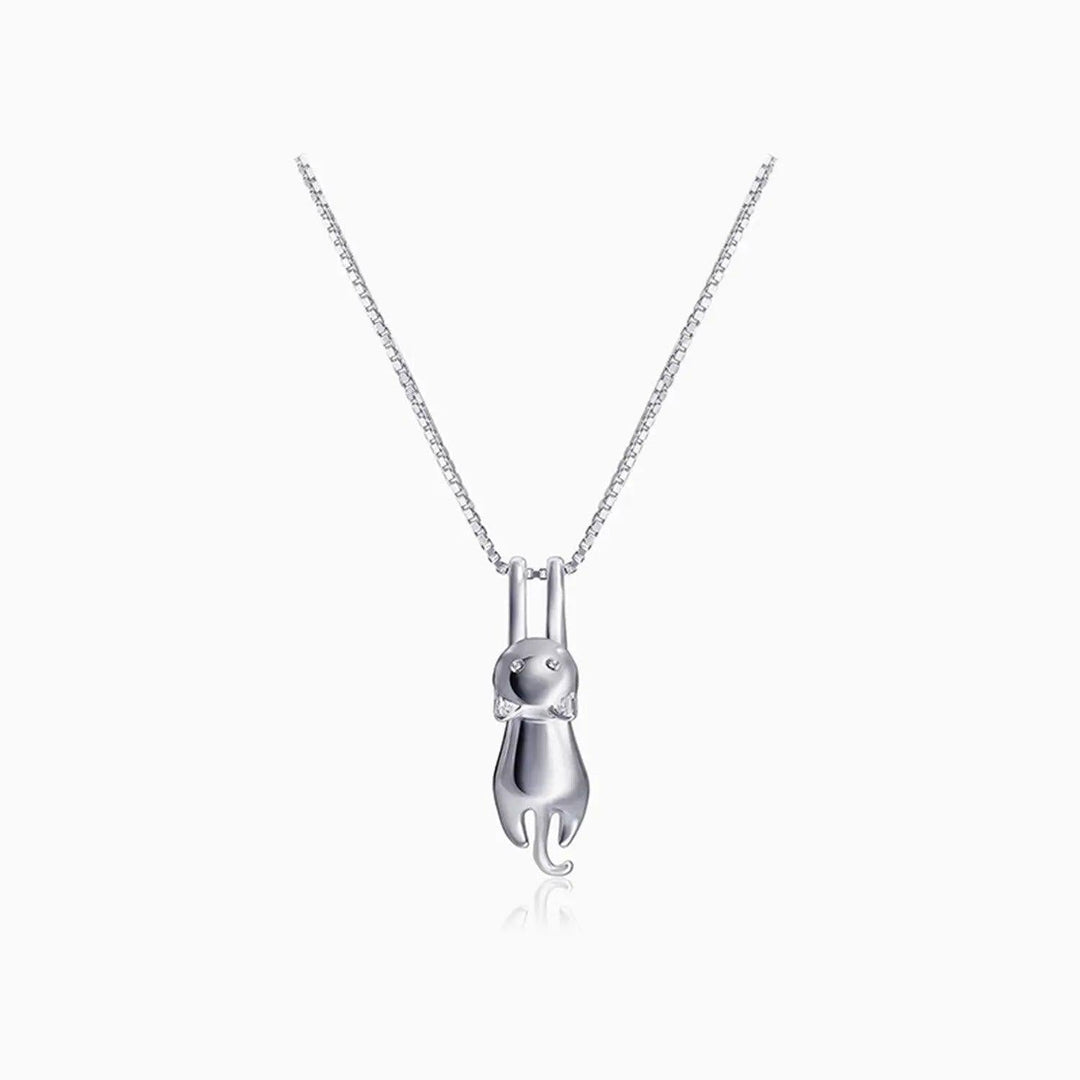
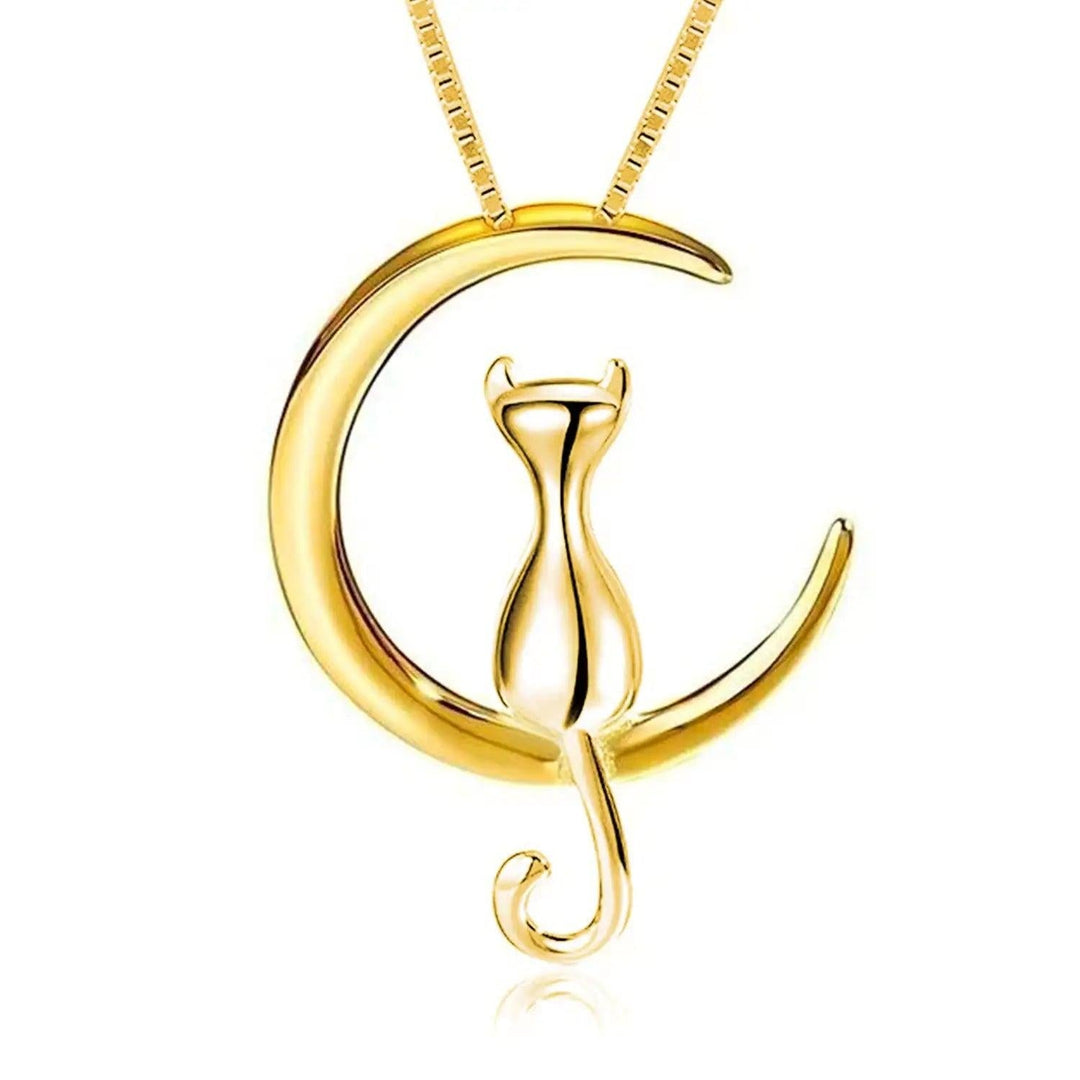
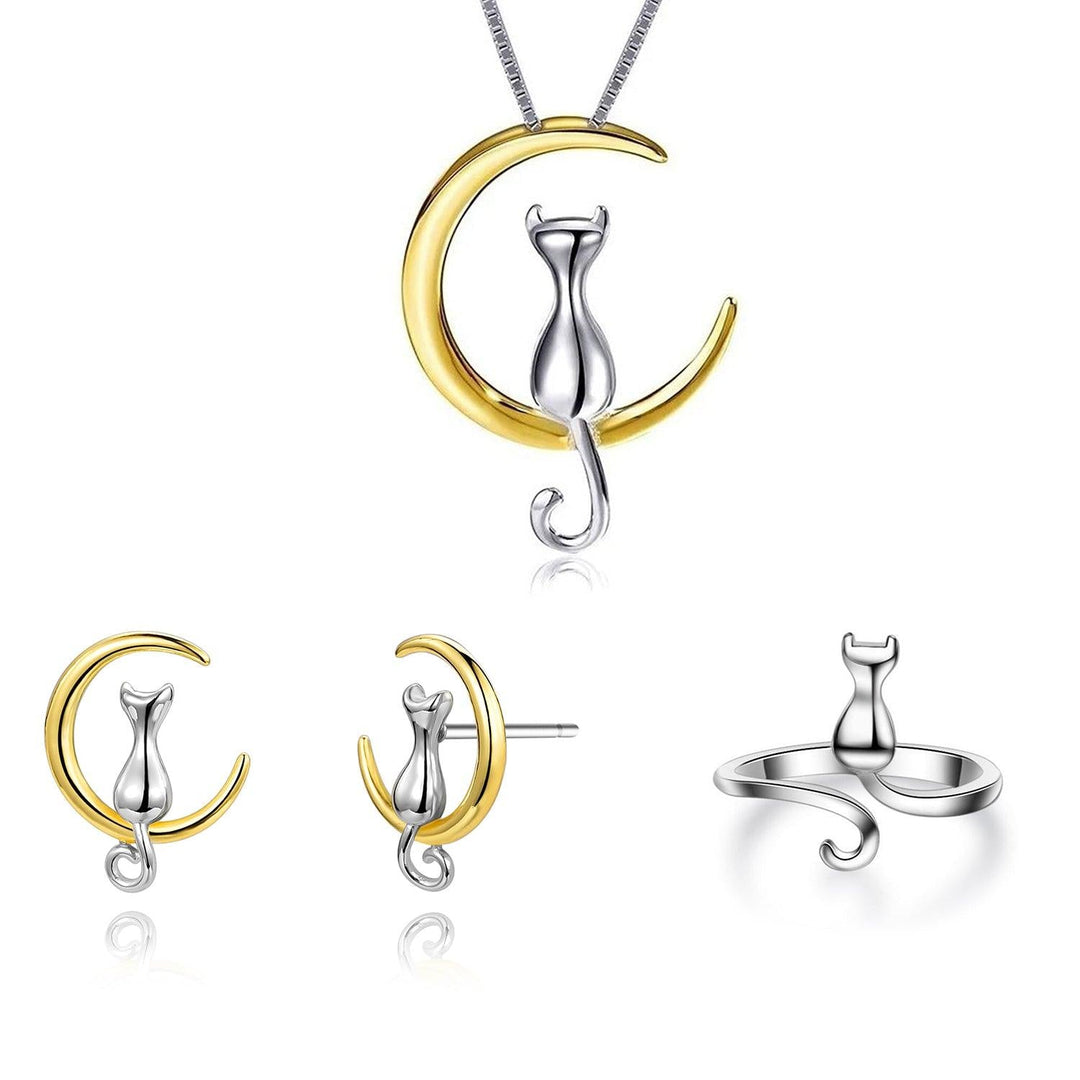
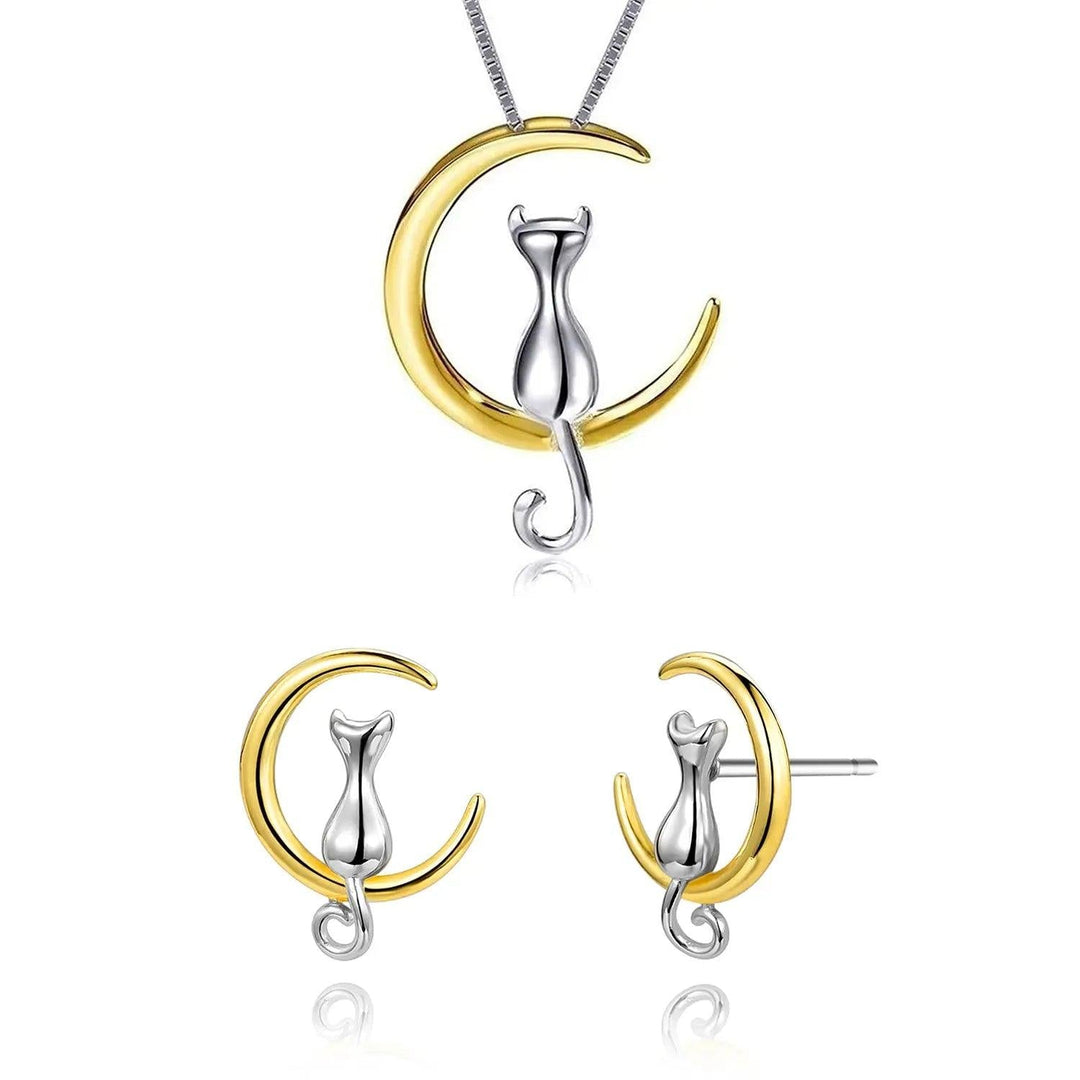
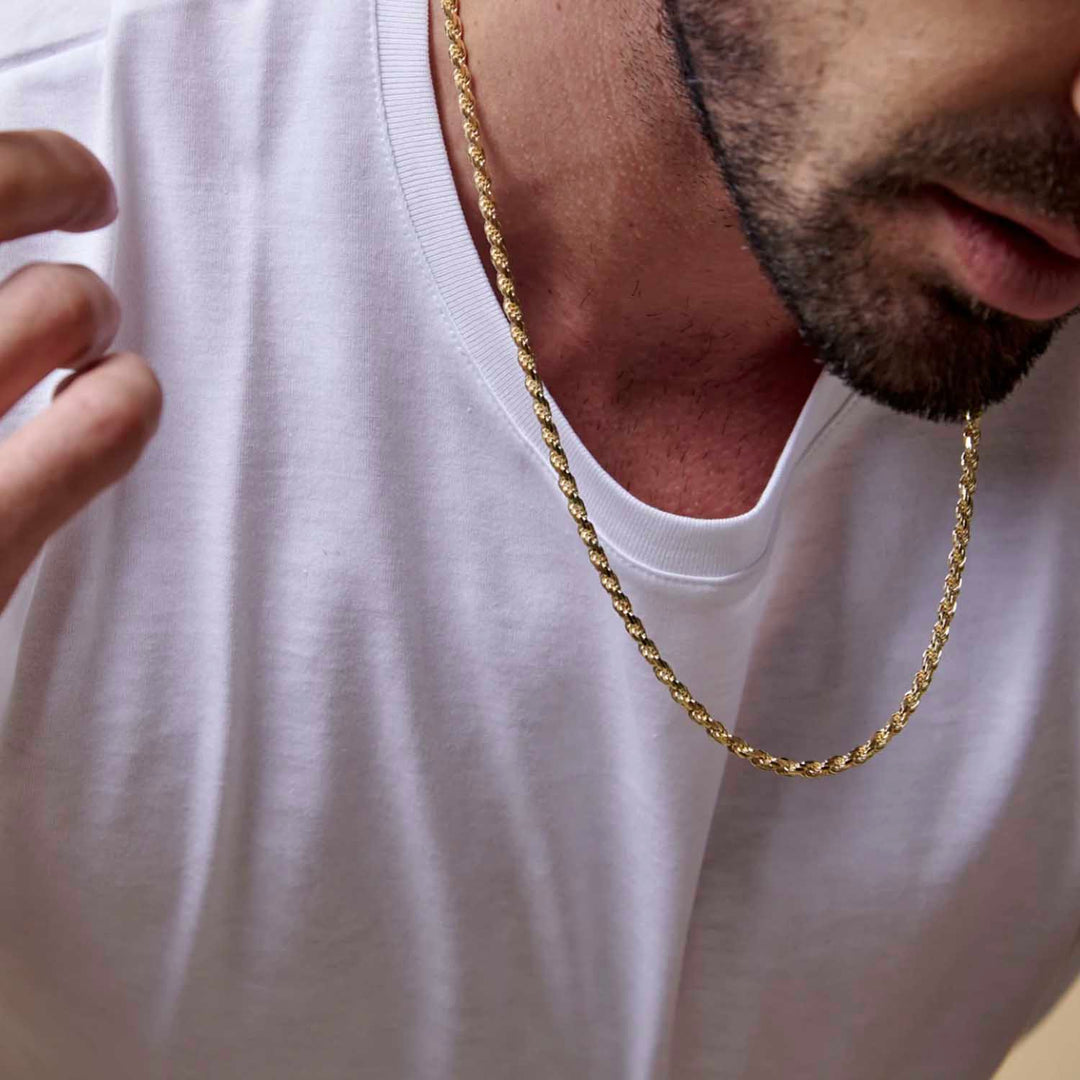
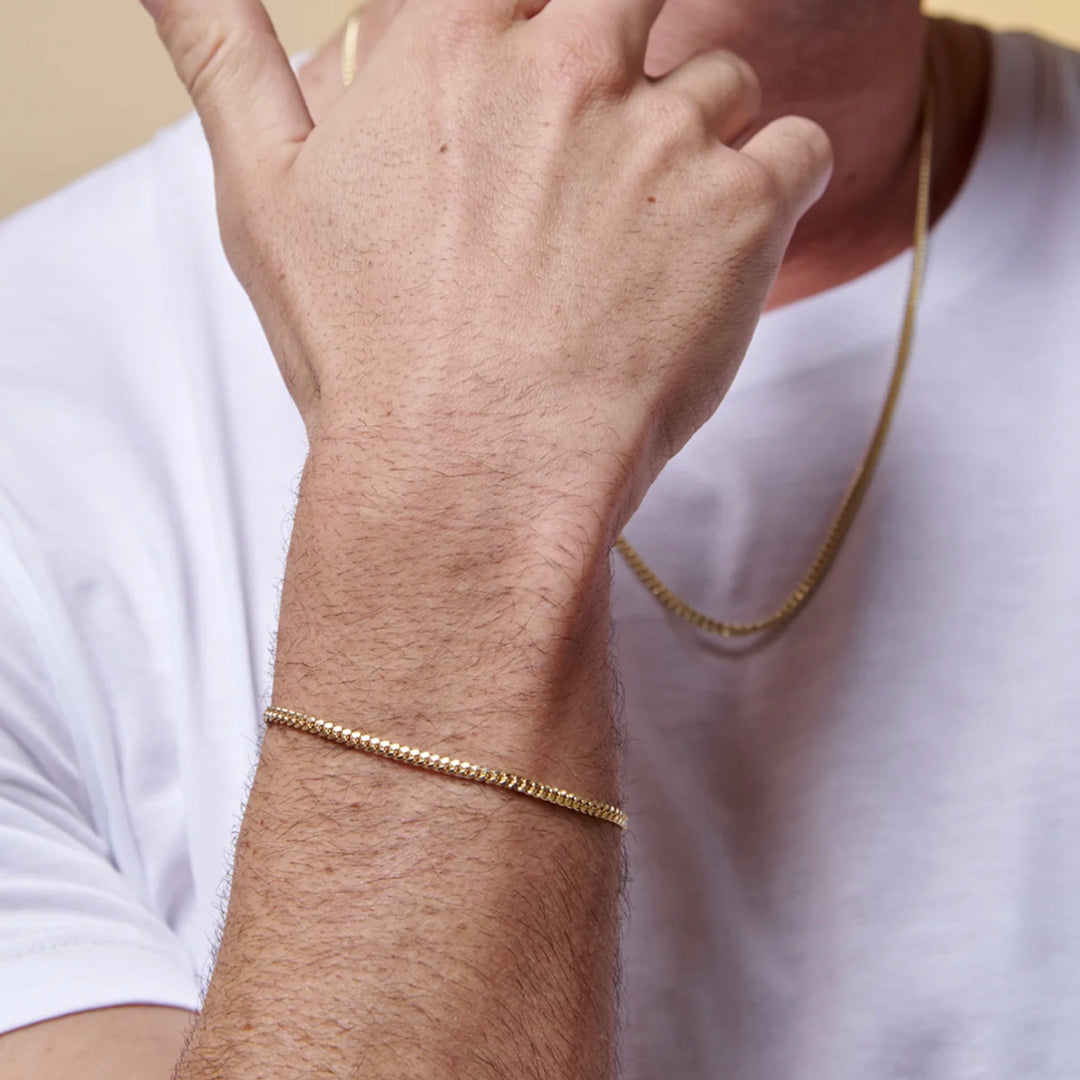
Rhodium jewelry: Buy the best rhodium-plated jewelry
What is rhodium?
Rhodium is considered a precious metal, even rarer and more valuable than gold or silver. The name rhodium comes from the Greek word "rhodon," which means rose, named for the pinkish-red color of its salts.
Rhodium is classified as a noble metal, which means it does not react easily to oxygen, acts as a fantastic catalyst, and is resistant to corrosion and oxidation. Since rhodium is quite shiny and tarnish-resistant, it is used as a finish for jewelry, reflectors, and mirrors.
Rhodium is often alloyed with platinum and iridium to make a metal that is more resistant to oxidation and can withstand high temperatures. Commercial rhodium is generally obtained as a byproduct of refining copper and nickel. In nature, rhodium can occur uncombined or with other minerals such as platinum.
Rhodium plating
Rhodium plating is used to create a white reflective appearance on jewelry. Since it is part of the platinum metal family, it is harder than gold, so it gives jewelry a durable surface that resists scratches and tarnish.
It is most commonly used to plate white gold, since this metal has a natural yellow tone, so by electroplating a layer of rhodium, the jewelry piece will have a bright white finish.
Like any metal used in jewelry, it is susceptible to wear from exposure. Therefore, most white gold pieces on average will need rhodium plating every 12-18 months, but this depends on how the jewelry is used and the care it receives.
AT GOLD SHIELD WE HAVE THE BEST RHODIUM-PLATED JEWELRY PIECES!
What is rhodium in jewelry
Rhodium plating is used to increase the durability, shine, and light reflection of a jewelry piece. Because it is a hard metal, a rhodium-plated jewelry piece will be more resistant to scratches.
Rhodium plating is mainly used on silver-colored metals, such as white gold, palladium, or silver. Most rhodium coatings are 0.75 to 1.0 microns thick.
Sterling silver is a white metal and does not need rhodium plating to acquire its color. However, it tends to tarnish over time. To prevent this, rhodium-plated silver jewelry will ensure that the piece has plenty of shine and stays free of tarnish for a long time.

Does rhodium oxidize?
Rhodium contains no nickel, so it does not tarnish. Rhodium is also resistant to corrosion and does not oxidize. Because rhodium is strong, it does not need to be alloyed with other metals such as nickel or copper that, over time, will corrode and leave dark green marks on the skin.
Rhodium-plated silver can turn green but if it does, it will not be the rhodium's fault. The brass in the silver alloy is corrosive, but rhodium is not. If rhodium-plated brass stains the finger green, then the rhodium plating has worn off, which happens easily with brass.
What does Rhodium plated mean?
Rhodium-plated silver or Rhodium plated is sterling silver coated with rhodium to make it whiter and shinier. Silver is a softer metal, so the rhodium protects it from scratches or wear.
Solid silver is too soft to make into jewelry, so it contains 92.5% silver and 7.5% of other metals such as copper, nickel, or a combination of both. The traces of copper and nickel in sterling silver cause the tarnish. Adding rhodium plating prevents this from happening.
Rhodium care
The rhodium plating will likely fade after a while, but there are some steps you can follow to make it last as long as possible.
- Avoid rubbing your rhodium-plated jewelry. It is also recommended to wash your hands constantly to avoid contact of dirty skin with the rhodium-plated silver jewelry.
- Avoid exposing your rhodium-plated jewelry to harsh chemicals. Always remove jewelry when handling chemicals or use rubber gloves to protect your jewelry pieces.
- Remove jewelry when swimming in heavily chlorinated pools, as chlorine can damage the coating.
- Perfumes and cosmetics can also affect the rhodium plating. Avoid contact with these and clean off any residue if it comes into contact.
Where to buy rhodium jewelry
Buying rhodium jewelry can be a bit of an odyssey but it has its benefits, since buying online will not only give you a wide inventory to choose from, but will also give you the most competitive prices on the entire market.
At Gold Shield we have the widest variety of rhodium jewelry products, from earrings and necklaces to rings and bracelets. All of our products include a box and bag for gifting, and we offer free shipping throughout Mexico.

Benefits of rhodium-plated silver jewelry
In this last part we will list 3 benefits of rhodium-plated silver jewelry that you may not have known about and that we are sure will surprise you:
- IT PROTECTS AND PROVIDES DURABILITY TO YOUR JEWELRY: Because rhodium is harder than silver, gold, and many other metals, rhodium plating offers a perfect protective barrier for your jewelry pieces. This protective layer protects the jewelry from scratches and tarnish and increases the durability of your piece. Rhodium itself is tarnish-resistant and does not require any particular cleaning procedure.
- IT REDUCES ALLERGIC REACTIONS ON YOUR SKIN: Because rhodium is hypoallergenic, you will not experience skin reactions or irritation with rhodium-plated silver jewelry. However, rhodium plating slowly wears off jewelry over time and a new layer of rhodium will need to be reapplied. The standard period to re-plate your jewelry with rhodium is once every 12 to 18 months.
- IT WILL GIVE AN EXCEPTIONAL SHINE TO YOUR JEWELRY: When you want the dazzling shine of platinum or a look that truly catches the light, rhodium plating can be a more economical option than buying high-end precious metals. Belonging to the platinum group of metals, rhodium is highly reflective and will add luster and shine to your silver or white gold pieces.