The Ultimate Guide to Nose Rings: Style, Care, and Gold Shield’s Handmade
In our workshop in Mexico, we’ve crafted nose rings that blend tradition with modern style. A nose ring is a small, decorative piece that sits in a piercing on the nose, often worn for fashion, cultural expression, or personal statement.
- Our nose rings are handmade in solid 10k, 14k, 18k gold or sterling silver 925, guaranteeing hypoallergenic quality.
- Each piece features one‑of‑a‑kind natural gemstones or moissanite set in a custom design you approve via 3D render.
- Factory‑direct pricing keeps costs transparent; we offer free shipping in Mexico and insured shipping to the USA.
- Gold purity: 10k = 41.7%, 14k = 58.5%, 18k = 75%; sterling silver = 92.5% (see table).
- Contact us on WhatsApp +1 845 622 6479 for personalized engraving and custom orders.
What exactly is a nose ring and why choose one?
A nose ring is a jewelry piece that goes through a nasal piercing, typically the nostril or septum. It can range from a simple stud to an ornate hoop, each offering a different aesthetic. The choice often reflects personal style, cultural background, or a statement of confidence. Because the nose is a focal point on the face, even a modest piece can draw attention, accentuate facial symmetry, or add an unexpected flash of color when gemstones are incorporated. Many clients tell us that a well‑chosen nose ring becomes a conversation starter, allowing them to express mood, heritage, or a playful edge without altering their overall wardrobe.
Historical and cultural roots
In many Latin American and Middle Eastern cultures, nose rings signify heritage and identity. In Mexico, the tradition dates back to pre‑Hispanic times, where indigenous peoples used gold and silver nose ornaments to denote status. Archaeological finds from the Aztec and Maya periods reveal tiny gold discs and filigreed silver pieces that were worn by nobles during ceremonies. These early ornaments were not merely decorative; they were believed to channel spiritual energy and protect the wearer from illness. Over centuries, the practice blended with Spanish influences, creating a rich tapestry of designs that still inspire contemporary Mexican artisans.
Modern fashion trends
Today, nose rings are embraced worldwide. From subtle studs in the U.S. to bold hoops in Europe, designers use metals, gemstones, and textures to create pieces that resonate with contemporary fashion. In runway shows across Paris and New York, you’ll notice layered nose rings paired with oversized earrings for a maximalist look, while street style in Seoul often features minimalist gold studs paired with clean‑cut silhouettes. Seasonal trends also dictate material choices—warm amber and copper tones dominate autumn collections, whereas icy white moissanite and platinum‑toned pieces shine in winter wardrobes. This fluidity allows you to adapt your nose ring to the mood of each season or event.
Health and safety considerations
Choosing hypoallergenic materials like 10k‑18k gold or sterling silver 925 reduces irritation. Our pieces are polished to a smooth finish, minimizing friction against the delicate nasal skin. In addition to material selection, we recommend a post‑piercing care routine: clean the area with a saline solution twice daily, avoid tight clothing that can snag the jewelry, and rotate the piece gently after the initial healing period to prevent tissue buildup. For clients with particularly sensitive skin, we also offer nickel‑free gold‑filled options that combine the look of solid gold with an even lower risk of allergic reaction.

Aretes Oro 18k Corazón y Electrocardiograma - Joyería Mexicana — View at Gold Shield →
What are the main types of nose rings available?
The market offers several styles, each with unique characteristics. Here’s a quick look at the most popular options, along with guidance on which facial features and personal preferences they complement best.
Stud nose rings
These are small, flat pieces that sit flush against the skin. They’re ideal for beginners and for those who prefer a subtle look. A classic gold or silver stud with a tiny gemstone—such as a single turquoise bead—adds a whisper of color without overwhelming the profile. Because the front face is planar, studs are especially flattering on narrow nostrils and can be worn comfortably under masks or protective gear.
Hoop nose rings
Hoops can range from 5mm to 15mm in diameter. They create a circular aesthetic, adding a touch of drama while remaining wearable. Larger hoops draw attention to the cheekbones and work well with high‑cheekbone structures, whereas smaller, delicate hoops complement softer facial contours. Many clients pair a thin gold hoop with a tiny dangling charm—like a feather or a tiny coin—to introduce movement and a tactile element.
Barbell nose rings
Barbells feature a straight metal bar with decorative ends. They’re versatile, suitable for nostril or septum piercings. A curved or “circular” barbell can hug the nostril for a snug fit, while a straight barbell with a gemstone on each end creates a balanced visual line across the bridge of the nose. This style is popular among musicians and performers who need a secure piece that won’t snag during active movement.
Huggie nose rings
Huggies are small hoops that “hug” the piercing, offering a secure fit without the bulk of larger hoops. Their tight curvature makes them virtually invisible when the head is tilted down, which is perfect for professional settings or formal events. Some designs incorporate a tiny etched pattern—like a wave or a geometric motif—that catches light when turned, adding a discreet sparkle.
Custom nose rings
Our workshop in Mexico creates bespoke designs. You choose metal, gemstone, and setting style, and our artisans hand‑craft each piece. For example, a client once requested a nose ring that incorporated a tiny Aztec sun glyph set in 18k gold with a central amber stone; we rendered a 3‑D model, approved it together, and delivered a one‑of‑a‑kind piece that reflected both personal heritage and modern elegance. Custom work also allows for unique gauges, intricate filigree, or mixed‑metal combinations that are not available in ready‑made collections.
What materials do Gold Shield nose rings use, and why are they high quality?
Gold Shield’s nose rings are made from solid 10k, 14k, or 18k gold, and sterling silver 925. Each metal is chosen for its durability, hypoallergenic properties, and visual appeal. Gold’s natural resistance to tarnish means the piece maintains its shine for years, while silver’s bright luster offers a more affordable yet equally elegant alternative. Both metals are sourced from reputable suppliers who meet strict Mexican import standards, ensuring that every alloy meets the highest purity and ethical sourcing criteria.
Gold purity percentages
| Gold Type | Purity % |
|---|---|
| 10k | 41.7% |
| 14k | 58.5% |
| 18k | 75% |
These percentages translate directly into real‑world performance: 10k gold offers the greatest hardness—ideal for active lifestyles—while 18k gold provides a richer hue that highlights the warmth of Mexican craftsmanship. Clients often select 14k as a balanced middle ground, enjoying both durability and a deep, saturated color.
Sterling silver 925
Our silver is 92.5% pure, with a 7.5% alloy that enhances strength. It’s a classic choice for its bright luster and affordability. The alloy typically includes copper, which not only boosts durability but also adds a subtle pinkish undertone that can make certain gemstones, like amethyst, appear more vivid. Regular polishing with a silver‑safe cloth keeps the surface free of oxidation, preserving its mirror‑like finish.
Gemstones and moissanite
We use certified natural gemstones and moissanite, each set in a custom design approved by you. According to the GIA, moissanite scores 9.25 on the Mohs hardness scale, making it nearly as durable as diamond. This resilience is crucial for nose rings, which encounter frequent contact and cleaning. Popular gemstone choices include Mexican turquoise, smoky quartz, and rose quartz—each selected for its cultural resonance and color harmony with gold or silver bases. When a client requests a specific cut, such as a baguette or pear shape, our designers incorporate it into the setting while maintaining structural integrity.
Craftsmanship details
Every nose ring is hand‑polished to a mirror finish. Our artisans use a 3D design render to ensure your final piece matches your vision. The process begins with a digital sketch, followed by a wax prototype that is examined under magnification. Once approved, the piece is cast in the chosen metal, hand‑set with gemstones, and then subjected to a series of polishing stages—from coarse to ultra‑fine—using micro‑fiber wheels and diamond pastes. The result is a nose ring that feels smooth to the touch, resists snagging, and retains its brilliance through daily wear.
How can I choose the right nose ring for my style and skin?
Choosing a nose ring involves considering size, metal, and personal style. Here’s how to make an informed decision.
Size matters: measuring the diameter
For nostril piercings, 5mm to 10mm is common. For septum piercings, 8mm to 12mm works well. Use a ruler or a digital caliper for accuracy. It is also helpful to try on a few sample hoops or studs in a jewelry store to get a feel for what feels comfortable and looks proportionate to your face. If you are unsure about the exact measurement, bring a friend or a mirror to double‑check the fit, as a slightly larger diameter can be more forgiving if your piercing heals unevenly.
Metal selection: gold vs. silver
If you have sensitive skin, opt for 10k or 14k gold. Silver is a great choice if you prefer a lighter feel. Additionally, consider hypoallergenic options such as 14k gold with a titanium backing or pure platinum if you have known metal allergies. The weight of the metal can affect how the ring sits against your nose; a heavier gold piece may create a subtle tension that some wearers find flattering, while a lighter silver or palladium setting can feel more delicate for everyday wear.
Gemstone choice: color and clarity
Choose gemstones that complement your complexion. For deeper skin tones, sapphires or emeralds add vibrancy; for lighter skin, pearls or diamonds shine. When selecting a stone, also think about the cut and setting: a cabochon sapphire will project a softer glow, whereas a faceted emerald can catch light in a dynamic way. If you prefer a subtle accent, a small moissanite or a tiny diamond can add a touch of sparkle without overwhelming the overall design.
Custom setting: why it matters
Custom settings allow you to tailor the piece to your exact measurements, ensuring a comfortable fit and a unique aesthetic. A custom setting can also incorporate personalized engravings, a favorite color palette, or a specific silhouette that reflects your personal story. By working closely with our artisans, you can choose the exact shape—be it a classic hoop, a modern barbell, or an ornate filigree design—so the finished product feels like a true extension of your identity.

Aretes Oro 18k Corazón Moissanita - Joyería Mexicana Premium — View at Gold Shield →
What drives the price of a handmade nose ring?
Pricing reflects material costs, craftsmanship, and the uniqueness of each piece.
Material costs
Gold and silver prices fluctuate with market rates. For example, 18k gold at $55 per gram vs. 10k gold at $30 per gram. The purity of the metal also influences cost; higher karat gold contains more pure gold and therefore commands a higher price. Silver, while generally more affordable, may be priced higher if it is sterling silver or if it includes additional alloying elements to enhance durability.
Labor and craftsmanship
Our artisans spend hours hand‑crafting each piece. The time invested directly influences the final price. A simple hoop might require a few minutes of shaping, while an intricately filigreed setting could take several hours of delicate soldering and polishing. The level of detail—such as hand‑engraved motifs or custom gemstone placement—adds to the labor cost and ensures that each ring is a singular work of art.
Gemstone rarity
Natural gemstones vary in rarity. A single sapphire may cost $200, while a common moissanite might be $50. The quality of the stone—its cut, clarity, color, and carat weight—further determines its value. A flawless emerald with a deep green hue will command a higher price than a lower clarity cut, reflecting both the natural scarcity and the meticulous selection process.
Custom design fees
3D rendering and design approval add a small fee to ensure the final product matches your vision. This fee covers the time our designers spend translating your ideas into a realistic visual model, allowing you to see the piece from every angle before production. It also includes any revisions you request, ensuring the final design is exactly what you envisioned.
How does the buying and customization process work at Gold Shield?
Our process is straightforward, transparent, and customer‑centric.
Step 1: Browse our collections
Start with our Aretes de Oro or Aretes de plata para mujer to find inspiration. Each collection showcases a range of styles—from minimalist studs to bold statement pieces—so you can quickly gauge what resonates with your personal aesthetic.
Step 2: Choose metal and gemstone
Select the metal purity and gemstone. If you want a custom setting, let us know. For example, if you prefer a 14k yellow gold with a small diamond accent, we’ll note that preference. If you’re looking for a unique color, we can recommend sapphires or moissanite that match your skin tone and style.
Step 3: 3D design approval
Our workshop creates a 3D render of your piece. You approve the design before we begin crafting. This step allows you to see how the metal will wrap around your nose, how the gemstone sits in its setting, and whether the overall silhouette feels balanced. You can request adjustments—such as changing the size of the hoop or adding a subtle engraving—before any physical work starts.
Step 4: Production and shipping
Crafting takes 5–7 business days. We ship insured to the USA; free shipping within Mexico. During the production phase, our artisans hand‑finish the metal, set the gemstone, and polish the final product to a high sheen. Once the ring is complete, we package it securely and ship it with tracking, ensuring you can monitor its journey.
Step 5: After‑care and support
We provide care instructions and are available via WhatsApp for any questions. Our after‑care guide includes tips on cleaning, storage, and how to handle any potential irritation. If you encounter any issues, you can contact us directly through WhatsApp, and our customer support team will assist you promptly.
What care and maintenance steps should I follow to keep my nose ring pristine?
Proper care extends the life of your jewelry and keeps it looking new. By following a consistent routine you protect the metal’s finish, preserve any gemstones, and reduce the risk of irritation to the delicate skin around the piercing.
Cleaning routine
Use a soft, lint‑free cloth and a few drops of mild, fragrance‑free soap mixed with warm water. Gently rub the surface of the ring, paying special attention to any settings or intricate details where residue can accumulate. Rinse thoroughly with clean water and pat dry with a separate soft cloth. Avoid harsh chemicals such as bleach, ammonia, or chlorine‑based cleaners, as they can strip the gold’s luster and weaken soldered joints.
Storage tips
Store in a soft pouch or a jewelry box lined with velvet to prevent scratches. For added protection, place each piece on a separate compartment or wrapped in a microfiber cloth so that moving pieces do not rub against each other. If you travel, keep the ring in a sealed, anti‑tarnish bag to shield it from humidity and air pollutants.
Regular check‑ups
Inspect the ring for loose stones, worn prongs, or any signs of metal fatigue at least once a month. Use a magnifying glass to see small imperfections that the naked eye might miss. If you notice any issues—such as a stone that feels loose, a bent hoop, or discoloration—contact us immediately so we can repair or replace the piece before it compromises the piercing.

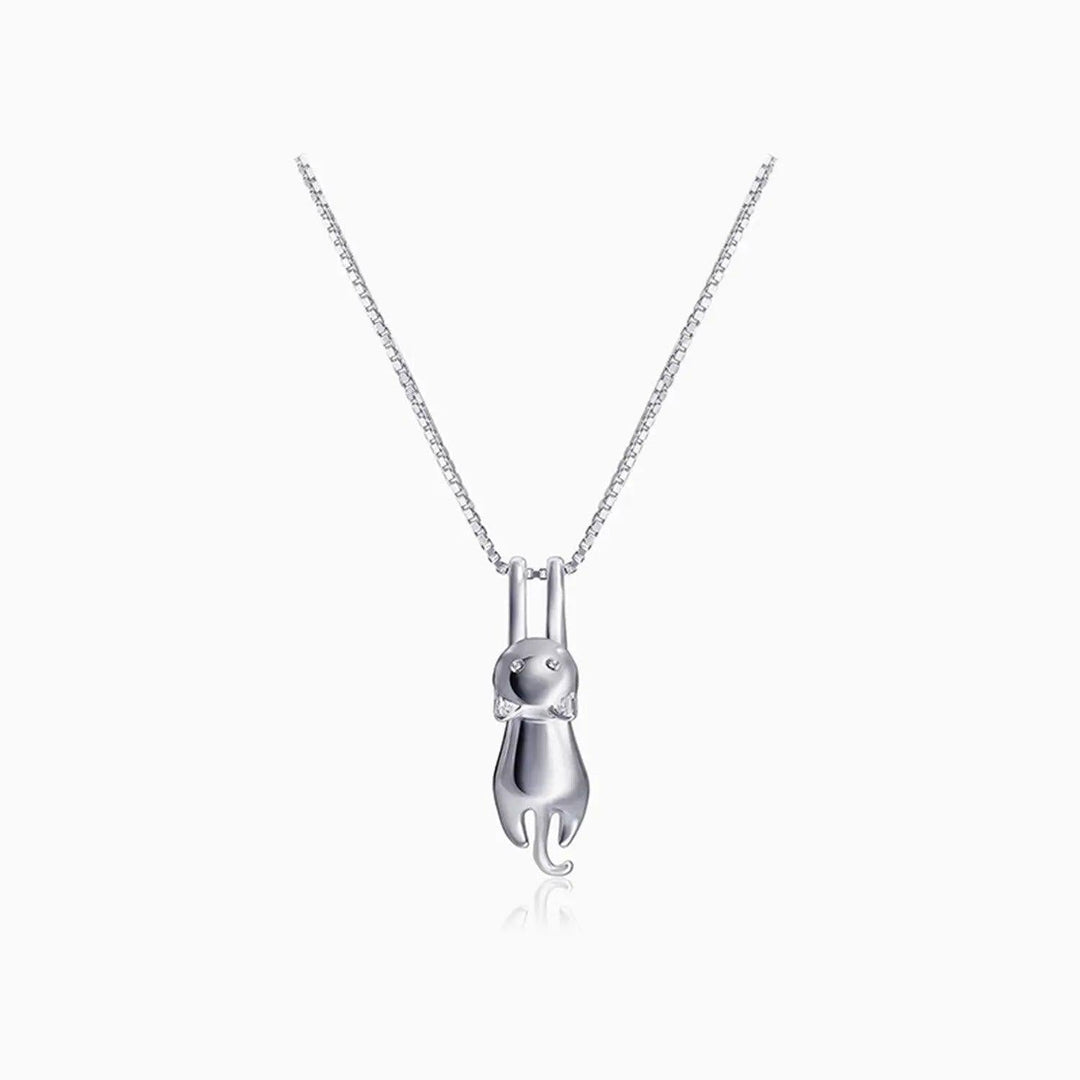
Aretes Perrito Globo Oro 18K - Joyería Mexicana Premium — View at Gold Shield →
How do nose rings compare to other facial jewelry options?
While nose rings are popular, other pieces like ear studs or eyebrow rings serve different purposes. Each type of facial jewelry interacts uniquely with anatomy, style preferences, and cultural meanings, so understanding the distinctions helps you make an informed choice.
Ear studs vs. nose rings
Ear studs are more common in everyday wear because the earlobe heals quickly and can accommodate a wide range of sizes without much discomfort. They tend to be smaller and sit close to the skin, making them ideal for professional settings. Nose rings, on the other hand, often make a bold statement; the central placement draws attention and can be highlighted with larger gemstones or intricate designs that showcase craftsmanship.
Eyebrow rings vs. nose rings
Eyebrow rings are typically larger, sit on a thicker area of skin, and may require a different piercing technique that involves a curved barbell or a decorative hoop. Because the eyebrow area moves more with facial expressions, the jewelry must be sturdy and well‑balanced. Nose rings usually experience less movement, allowing for finer, more delicate settings that can feature tiny diamonds or colored stones without sacrificing comfort.
Choosing based on occasion
For formal events, a subtle gold stud—perhaps a single‑pointed nose ring with a brushed finish—may be preferable, as it adds elegance without overwhelming a tuxedo or evening dress. For festivals, concerts, or cultural celebrations, a bright gemstone hoop or a filigree design can stand out under stage lights and complement vibrant clothing. Consider the venue’s dress code, lighting, and the overall look you want to achieve when selecting the piece.
When is the best time to give a nose ring as a gift?
Nose rings make thoughtful gifts for various occasions. Their personal nature—being worn close to the face—adds an intimate touch that can commemorate milestones, cultural traditions, or simply a celebration of style.
Birthdays and anniversaries
Pair a custom setting with a personal engraving for a memorable present. For example, you might choose a 14‑karat gold hoop with a tiny engraved date on the inner curve, or a delicate stud featuring the recipient’s birthstone. This combination turns a beautiful piece of jewelry into a keepsake that tells a story.
Graduations and milestones
A stylish piece can celebrate a new chapter in life. A sleek, minimalist gold nose ring can symbolize a fresh start for a recent graduate, while a more elaborate design with a small sapphire or emerald might mark a significant promotion or the birth of a child.
Cultural celebrations
During festivals or family gatherings, a nose ring can symbolize unity and heritage. In many Mexican traditions, a gold nose ring represents familial bonds and cultural pride. Selecting a design that incorporates traditional motifs—such as Aztec-inspired patterns—adds depth and honors the occasion.
What are common mistakes people make when buying a nose ring?
Avoid these pitfalls to ensure a safe and satisfying experience. Understanding each error helps you select a piece that looks stunning, fits comfortably, and lasts for years.
Choosing the wrong size
Incorrect sizing can cause discomfort or lead to piercing complications. Measure the diameter of the existing piercing or consult a professional piercer to determine the appropriate gauge and hoop diameter. A ring that is too tight may restrict blood flow, while one that is too loose can slip or snag on clothing.
Ignoring hypoallergenic materials
Non‑hypoallergenic metals may cause irritation or allergic reactions, especially for sensitive skin. Gold (14K or 18K), platinum, and surgical‑grade stainless steel are recommended because they are less likely to trigger a response. Avoid alloys that contain nickel or brass unless you have confirmed tolerance.
Overlooking professional piercing
Always pierce with a certified professional to reduce infection risk. A reputable piercer will use sterile equipment, follow proper after‑care protocols, and advise on the best jewelry material for your anatomy. DIY or unregulated piercings increase the chance of scarring and prolonged healing.
Skipping after‑care
Neglecting cleaning and maintenance shortens the life of your jewelry and can compromise the healing process. Follow a daily cleaning routine, avoid touching the piercing with unwashed hands, and replace the piece with a fresh, sanitized ring if you notice any buildup or discoloration.
FAQs: Common Questions About Nose Rings
Why nose ring
Nose rings express individuality, cultural identity, and fashion sense. They can also hold personal or symbolic meanings. For example, in many South Asian cultures, a nose ring is worn as a sign of marital status, while in African tribes it can represent social rank or achievements. In contemporary fashion circles, a delicate gold hoop or a bold gemstone stud can become a statement piece that complements an outfit or highlights a facial feature. By choosing a design that resonates with your personal story, a nose ring becomes more than an accessory—it becomes an extension of your identity.
Where to put nose ring
Common placements include the nostril, septum, or upper lip. Each placement offers a distinct look. The nostril ring, the most traditional choice, sits in the cartilage of the outer rim of the nose and is ideal for everyday wear. A septum ring pierces the thin cartilage between the nostrils, offering a more daring aesthetic that pairs well with edgy or bohemian styles. Upper lip rings, though less common, can add a subtle touch of glamour and are often chosen for their unique visual impact. Understanding the anatomy of each site helps you select a style that balances comfort, safety, and desired appearance.
Will nose ring hole close up
Properly healed piercings rarely close. Using a snug, well‑fitted ring reduces the chance of closure. The key is to choose a size that fits the diameter of the pierced hole without causing friction. If the ring is too loose, the tissue may close around it, while an overly tight ring can irritate the skin and trigger inflammation. After the initial healing period—typically 4–6 weeks for nostrils and up to 8–12 weeks for septum piercings—switching to a slightly larger or more flexible material can help maintain the opening. Regular cleaning with saline solution and avoiding unnecessary handling also play a critical role in keeping the hole open.
What nose ring size should I get
Measure the piercing area. Typical nostril rings range from 5mm to 10mm; septum rings from 8mm to 12mm. To determine the exact size, use a flexible measuring tape or a ruler to gauge the diameter of the hole after it has fully healed. If you’re uncertain, consulting with a professional piercer can provide an accurate assessment. Additionally, consider the thickness of the metal—thicker rings may require a slightly larger diameter to accommodate the same visual width without feeling bulky.
Why nose ring on bull
In some cultures, bulls wear nose rings for ceremonial purposes, symbolizing strength and protection. These rings are typically made from durable metals such as brass or steel and are designed to withstand the animal’s daily movements. The practice can be traced back to ancient agricultural societies where the bull’s nose ring served both as a status symbol for the owner and as a functional tool for managing livestock health and breeding records.
Why nose ring on cow
Cows may wear nose rings for identification and health monitoring, ensuring accurate record‑keeping. The rings often contain engraved numbers or RFID chips that allow farmers to track herd health, breeding cycles, and pasture usage. This system helps maintain animal welfare standards and supports efficient farm management practices across many regions worldwide.
Why nose ring is important in marriage
In certain traditions, a bride’s nose ring signifies marital status and cultural heritage. During wedding ceremonies, the groom may present a gold or silver nose ring as a symbol of commitment, and the bride may wear it throughout the celebration to honor family customs. The act of adorning a nose ring can also be part of a larger ritual that involves blessings and the sharing of vows, reinforcing the bond between partners.
Why nose ring is important
Beyond aesthetics, nose rings can signify cultural belonging, personal milestones, or social status. For instance, a young adult may choose a minimalist gold stud to mark the completion of a significant life event, while a seasoned traveler might opt for a gemstone hoop to showcase a passion for adventure. These subtle signals communicate values and experiences to those around us, often sparking conversation and connection.
Why wear nose ring
Wearers seek self‑expression, confidence, and a touch of elegance. A well-chosen nose ring can accentuate facial symmetry, highlight cheekbones, and add a layer of sophistication to both casual and formal attire. By experimenting with different metals—such as rose gold, platinum, or antique bronze—one can tailor the accessory to match personal style and seasonal trends.
Will nose ring look good on me
Our custom design process ensures the ring complements your features and style. During a consultation, we evaluate facial proportions, skin tone, and jewelry preferences. This personalized approach allows us to recommend a design that enhances your natural beauty, whether you prefer a subtle stud that glints in the light or a bold statement piece that draws attention.
Will nose ring suit me
Choosing the right metal, size, and gemstone guarantees a comfortable fit and flattering look. For sensitive skin, hypoallergenic options such as titanium or 18‑carat gold are ideal, while those seeking a luxurious feel may opt for sterling silver with a polished finish. Selecting a gemstone that complements your complexion—such as a sapphire for cool undertones or a ruby for warm ones—can further elevate the overall aesthetic.
Which nose ring is best
It depends on your style. For a subtle look, a gold stud; for bold flair, a gemstone hoop. If you prefer a minimalist approach, a thin gold or silver stud offers understated elegance. Conversely, a large hoop stud or a carved bone ring can provide a dramatic, fashion-forward statement that stands out at social events or photo shoots.
Which nose ring is best for healing
Hypoallergenic gold or silver with a smooth finish promotes faster healing. These metals minimize irritation, and their polished surfaces reduce the risk of bacterial buildup. Additionally, choosing a ring with a low profile and rounded edges can prevent snagging on clothing or jewelry, allowing the piercing to heal without unnecessary stress.
Which nose ring side is gay
There’s no inherent meaning; the choice is personal. Some individuals may select a particular side based on personal preference or cultural symbolism, but ultimately the decision reflects individual identity rather than sexual orientation. The focus remains on self-expression and comfort.
Which nose ring is easier to put in
Huggie or small stud rings are easier to insert and remove compared to larger hoops. The smaller diameter of a huggie reduces resistance during insertion, while a stud’s straight design allows for straightforward placement. For those new to piercings, starting with a smaller, lightweight ring can ease the transition and reduce discomfort.
Ready to explore your perfect nose ring? Contact us on WhatsApp at +1 845 622 6479 for a personalized consultation and let us help you shine with a handcrafted piece from Gold Shield.