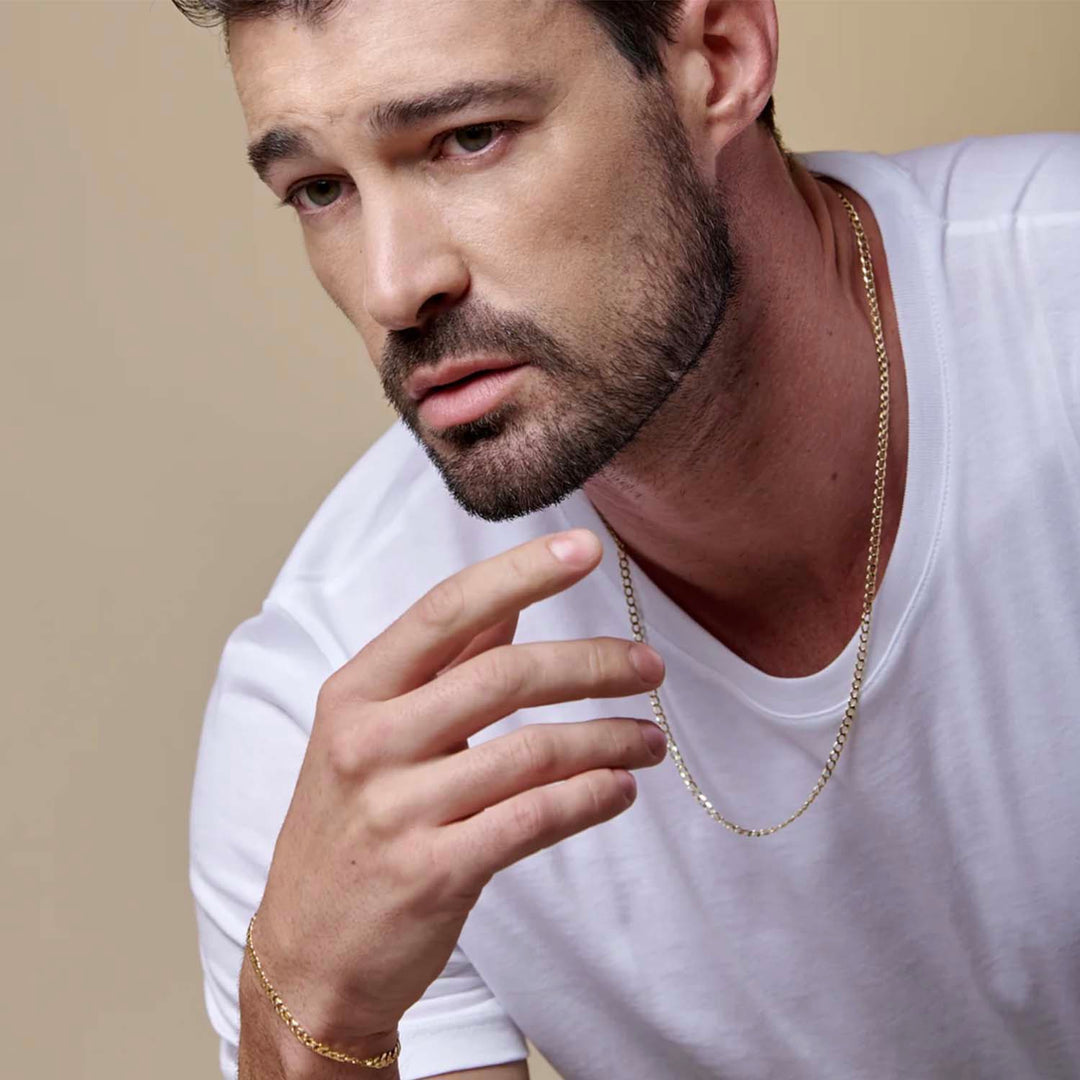
The Complete Guide to Handmade Religious Jewelry from Gold Shield
Religious jewelry is any adornment that carries a spiritual symbol—crosses, saints, prayer beads, or faith‑based motifs—crafted to be worn as a personal expression of belief.
- Our pieces are handmade in Mexico from solid 10k, 14k, 18k gold, 925 sterling silver, moissanite, and certified natural gemstones.
- We offer custom settings: you choose the metal, stone, and even a name or date engraving.
- Gold Shield’s factory‑direct pricing guarantees the karat you pay for; no hidden mark‑up.
- Insured shipping to the USA, free shipping within Mexico, and a 30‑day return policy.
- Hypoallergenic gold and fine silver make our jewelry safe for sensitive skin.
What exactly is religious jewelry and why do people wear it?
Religious jewelry is far more than a simple ornament; it is a tangible display of faith‑related emblems that serves as a bridge between the spiritual and the material world. Think of a finely crafted crucifix pendant that rests against the heart, a Star of David hoop that catches the light with every turn, or a rosary strung with natural gemstones that invites tactile meditation. These pieces are not merely decorative; they are vessels of intention, often passed down through generations or commissioned for pivotal life moments such as baptisms, confirmations, weddings, or memorials. In the context of fine jewelry, these items are engineered to withstand daily wear while maintaining their symbolic integrity, ensuring that the message they carry remains clear and visible in both private moments of devotion and public settings.
Spiritual meaning
For many wearers, a religious piece functions as a silent partner in their daily routine, serving as a constant, subtle reminder of prayer, divine protection, or their connection to a broader community of believers. A saint’s medal, for instance, is often worn not just as jewelry but as a talisman, believed to offer spiritual intercession and comfort during times of stress or uncertainty. Similarly, a cross can signal personal devotion, acting as an anchor for the wearer’s identity and values. In our workshop, we understand that this emotional weight requires precision; the engraving must be crisp, the setting secure, and the material chosen to reflect the gravity of the commitment. Whether it is a small, hidden charm or a bold, statement piece, the spiritual meaning is amplified by the craftsmanship, turning a metal object into a sacred object that resonates with the wearer’s inner life.
Fashion crossover
Because the symbols embedded in religious jewelry are timeless and universally recognized, they have successfully crossed over into high fashion, functioning as powerful statement accessories that transcend traditional religious contexts. A 14k gold crucifix, for example, adds a layer of sophistication and heritage to a business suit, signaling confidence and tradition without being overtly flashy. Conversely, a silver Hamsa charm fits seamlessly into casual streetwear, offering a protective symbol that aligns with contemporary aesthetics. This duality allows individuals to express their faith in a way that is compatible with their professional and social lives. At Gold Shield, we design with this versatility in mind, ensuring that the lines are clean, the proportions are balanced, and the finishes are polished to a mirror-like shine, allowing the piece to complement a wide range of styles from formal evening wear to everyday casual attire.
Historical roots
The tradition of religious adornment stretches back millennia, evolving from ancient Egypt’s scarab amulets, which symbolized regeneration and the sun, to the intricate silver and gold rosaries of the medieval period, which were used for counting prayers. These early pieces were often handcrafted by local artisans, each carrying the specific cultural and spiritual nuances of its time. Today, our workshop continues that ancient lineage but adapts it for the modern era. We utilize modern 3D rendering software to visualize complex designs with precision, ensuring that historical motifs are accurately represented and structurally sound. Furthermore, we pair this technological advancement with ethically sourced stones and responsible metal sourcing, honoring the legacy of the past while meeting the ethical standards of the present. This blend of tradition and innovation ensures that each piece is not only a nod to history but a contemporary artifact of faith.

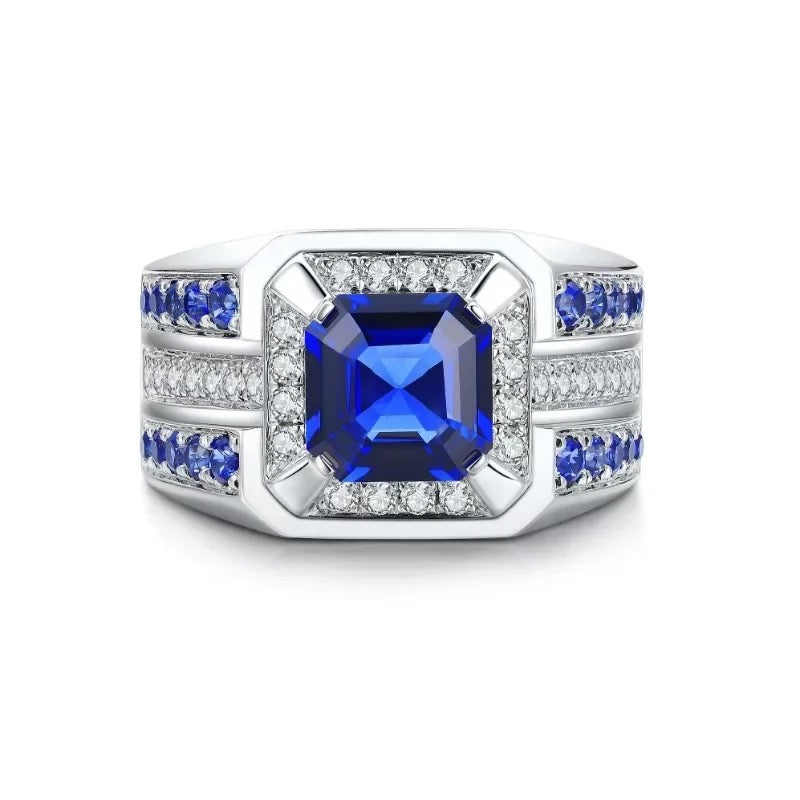
Anillo Solitario de Moissanita 2 ct Estilo Tiffany — Oro Vermeil (Plata 925 + Oro 14k), Certificado — View at Gold Shield →
How many types of religious jewelry exist?
While there are dozens of specific styles and cultural variations, religious jewelry generally falls into four primary categories: pendants, rings, earrings, and bracelets/necklaces. Each category serves a different function, from the bold statement of a pendant to the subtle daily reminder of a ring. Understanding these distinctions helps in choosing the right piece for your lifestyle and the specific symbolic intent you wish to convey. Whether you are looking for a piece to wear every day or a special item for a ceremony, the form factor plays a crucial role in how the symbol is perceived and how it interacts with your wardrobe and daily activities.
Pendants and medallions
Crosses, crucifixes, Om symbols, and Saint medals dominate this group, offering the most visible way to display faith. These pieces are often the focal point of an outfit and can range from delicate, fine chains with small charms to substantial, chunky medallions that make a strong visual impact. At Gold Shield, we offer extensive customization options for pendants. We can set a 5 mm natural amethyst, known for its calming purple hues, into a 10k gold cross, creating a piece that balances durability with color. Alternatively, we can engrave a significant date, a short prayer, or a personal monogram on the back of a silver medallion, adding a private, intimate layer of meaning that only the wearer knows. The versatility of pendants allows them to be worn alone for a minimalist look or layered with other chains for a more complex, modern aesthetic.
Rings
Rings are ideal for those who prefer a more subtle expression of faith, as they are constantly visible when the hands are in motion. Signet rings bearing a religious monogram or a small icon offer a classic, dignified look suitable for both formal and semi-formal occasions. For daily wear, a simple band with a tiny engraved prayer on the inner shank provides a private reminder that is felt rather than seen. Our 14k gold huggie rings are particularly popular for this purpose; they hold a 2 mm moissanite that offers a subtle sparkle without being overwhelming. The close fit of a huggie ring ensures the stone is secure and protected, making it a practical choice for active individuals who still wish to wear a symbol of their devotion. The choice of metal and stone can further personalize the ring, allowing for a piece that feels uniquely tailored to the wearer’s preferences.
Earrings
Earrings provide a unique opportunity to display religious symbols in a way that frames the face, drawing attention to the eyes and expression. Studs, hoops, and dangle designs featuring symbols like the Star of David or a tiny Buddha face are made in both gold and 925 silver, catering to various skin tones and style preferences. A 0.5 ct natural turquoise stud set in 18k gold is a bestseller, combining the earthy, protective qualities of turquoise with the luxurious warmth of high-karat gold. Dangle earrings offer more movement and can feature intricate details that are difficult to see on smaller studs, such as a delicate chain dropping from a small cross. The choice between studs and dangles often comes down to the wearer’s comfort level and the occasion; studs are generally more durable and less likely to catch on clothing, making them ideal for everyday wear, while dangles add a touch of elegance and movement to evening attire.
Bracelets & necklaces
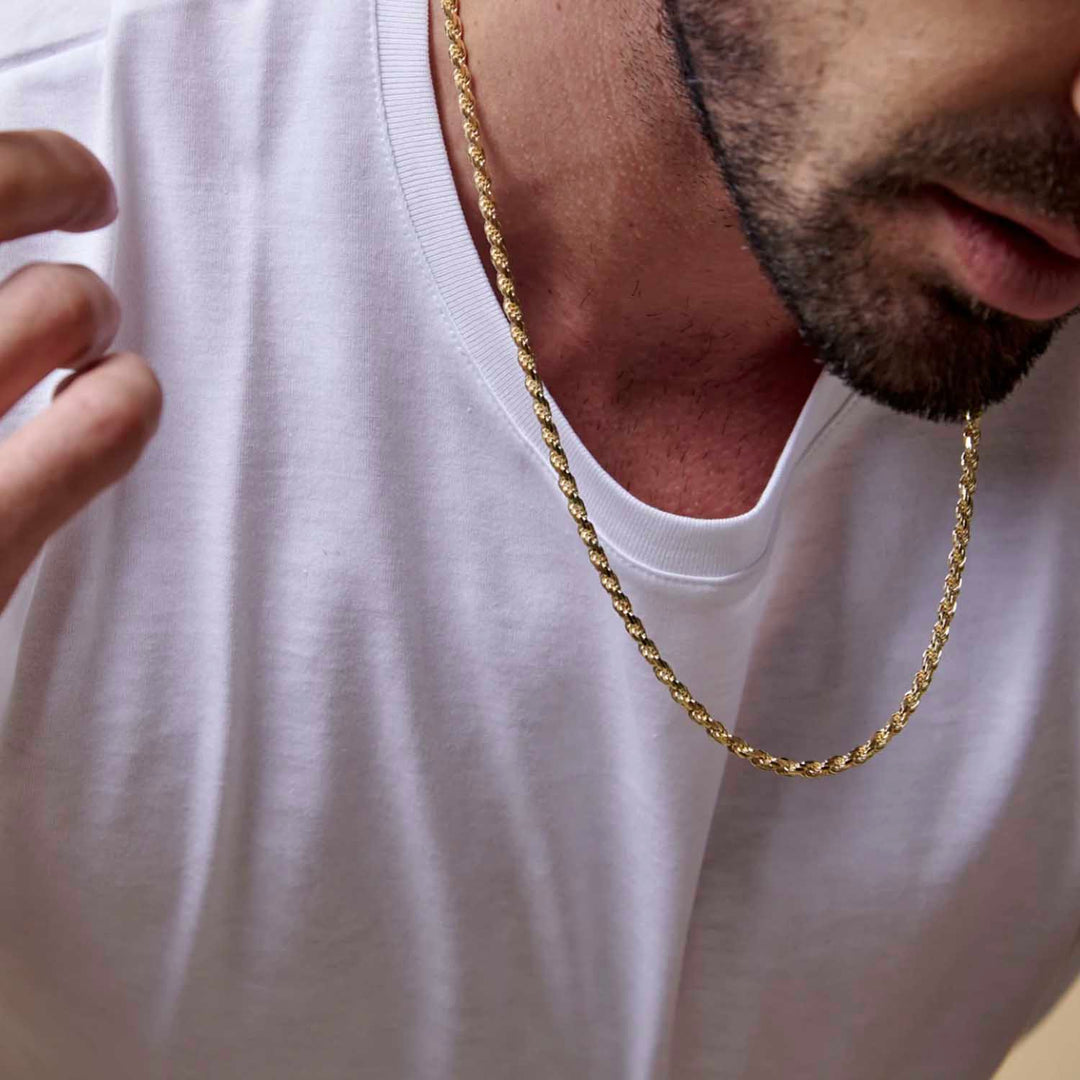
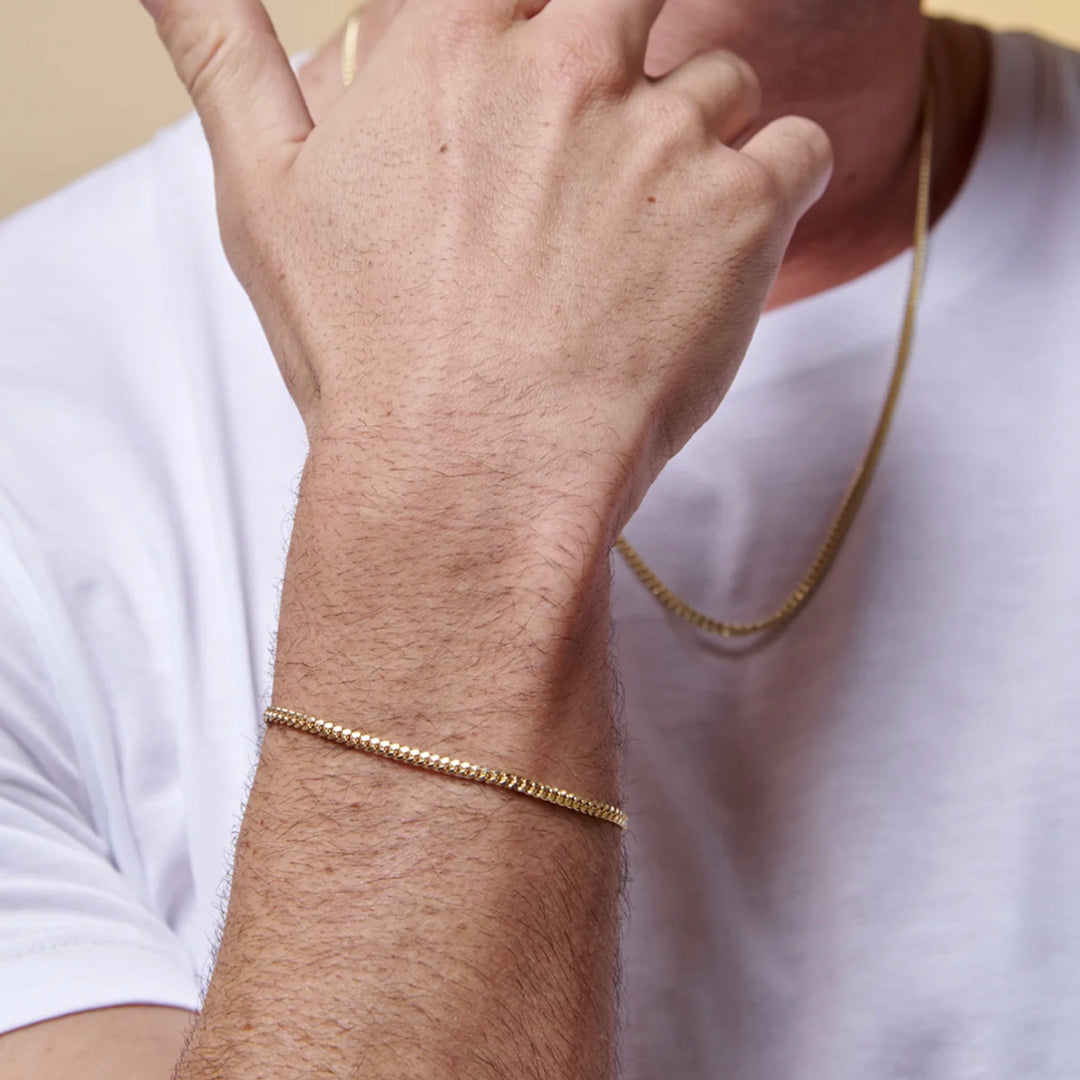
Rosaries, prayer beads, and chain necklaces with a single pendant are common forms of religious jewelry that offer a sense of continuity and flow. A rosary, in particular, is a functional piece of jewelry that aids in meditation and prayer, with each bead representing a specific prayer or intention. Our Cuban‑link chain in 14k gold is a robust and stylish option that can be paired with a custom charm, allowing for a personalized touch. The weight and texture of a bracelet or necklace can also serve as a grounding presence, providing a tactile connection to the spiritual. Whether it is a thin, delicate chain that whispers against the skin or a thicker, more substantial bracelet that makes a bold statement, these pieces are designed to be worn close to the body, reinforcing the wearer’s connection to their faith throughout the day. The ability to customize the length and the charm ensures that each piece fits the wearer’s neck or wrist perfectly, enhancing both comfort and aesthetics.
Which materials make religious jewelry high‑quality?
Gold Shield uses only solid gold, 925 sterling silver, certified natural gemstones, and moissanite that meets GIA standards. The choice of material is critical in religious jewelry, as it affects not only the aesthetic appeal but also the durability, hypoallergenic properties, and long-term value of the piece. High-quality materials ensure that the jewelry can withstand the rigors of daily wear, including exposure to sweat, water, and physical impact, without losing its luster or structural integrity. Furthermore, the ethical sourcing of these materials is a cornerstone of our brand, ensuring that the beauty of the piece is not compromised by harmful practices. By selecting the right materials, we create pieces that are not only beautiful and symbolic but also a sound investment that can be passed down through generations.
Gold purity
| Karat | Gold content % | Typical color |
|---|---|---|
| 10k | 41.7% | Bright yellow |
| 14k | 58.5% | Rich yellow |
| 18k | 75% | Deep, warm yellow |
According to the Gemological Institute of America (GIA), 18k gold retains 75% gold content, offering the best balance of durability and luster for everyday religious pieces. The higher the karat, the purer the gold, which results in a richer color and a softer feel. However, pure gold (24k) is too soft for daily wear, which is why alloys are used. 10k gold is the most durable and resistant to scratching, making it ideal for pieces that are worn frequently and subjected to physical stress. 14k gold is a popular middle ground, offering a good balance of durability and color, while 18k gold provides a deeper, warmer hue that is often preferred for statement pieces. The choice of karat should be based on the intended use of the jewelry and the wearer’s preference for color and durability. For example, a ring that is worn daily might be better suited to 14k or 10k gold, while a pendant that is worn less frequently could be made from 18k gold for its richer appearance.
Silver
Our 925 sterling silver contains 92.5% pure silver and is alloyed with copper for strength. This alloying process is essential because pure silver is too soft and malleable for practical jewelry use. The addition of copper increases the hardness and durability of the metal, allowing it to hold its shape and resist deformation. Sterling silver is also hypoallergenic, making it a suitable choice for individuals with sensitive skin. To prevent tarnishing, which is a natural chemical reaction between the silver and sulfur in the air, our pieces are sealed with our proprietary anti‑oxidation coating. This coating provides a protective barrier that keeps the silver looking bright and new for longer periods, reducing the need for frequent polishing. Despite its lower cost compared to gold, sterling silver offers a timeless, elegant look that is perfect for religious jewelry, especially for those who prefer a cooler, white metallic tone. The reflective quality of silver can also enhance the sparkle of gemstones, making it a versatile base for various designs.
Gemstones
We source one‑of‑a‑kind natural stones—amethyst, lapis, turquoise—each with a GIA‑verified report. Natural gemstones are prized for their unique colors, inclusions, and historical significance, which add depth and character to religious jewelry. For example, amethyst is often associated with peace and clarity, making it a fitting choice for meditation pieces, while lapis lazuli has been used for centuries in religious artifacts for its deep blue color and gold flecks. A 4 mm natural turquoise weighs about 0.2 ct and scores 5‑6 on the Mohs hardness scale, making it suitable for pendants where it is less likely to be subjected to hard impacts. The lower hardness of turquoise means it requires more care, such as avoiding contact with harsh chemicals and removing the jewelry before engaging in activities that could cause abrasion. Each stone is carefully selected for its quality, color, and clarity, ensuring that it complements the metal and the overall design. The use of natural stones also connects the wearer to the earth, adding a layer of spiritual significance that synthetic stones cannot replicate.
Moissanite
Our moissanite is lab‑grown but mimics natural brilliance (60‑70% more fire than diamond) and is rated 9.25 on Mohs, perfect for a sparkle‑focused cross. Moissanite is an excellent alternative to diamond for those who want maximum brilliance and durability without the high cost of natural diamonds. Its high refractive index and dispersion result in a stone that is exceptionally sparkly, often displaying rainbow-like flashes of color that are unique to moissanite. The hardness of 9.25 makes it second only to diamond in terms of scratch resistance, ensuring that the stone remains sharp and brilliant for a lifetime of wear. This makes moissanite an ideal choice for rings and pendants that are worn daily, as it can withstand the rigors of everyday life without losing its luster. The lab-grown nature of moissanite also makes it an ethical choice, as it does not involve the mining processes that can have environmental and social impacts. At Gold Shield, we use only high-quality moissanite that meets strict standards for color, clarity, and cut, ensuring that each piece is as beautiful and durable as any diamond piece.
How do I choose the right religious jewelry for me?
Start with the symbol that resonates, then match metal, stone, and size to your lifestyle. When you first look at a collection, ask yourself whether the piece will be a daily reminder, a special gift, or a ceremonial accent. This intent will guide every subsequent decision—from the metal’s finish to the exact dimensions of the chain or bracelet.
Symbol selection
Ask yourself: Do I want a cross, a saint, a prayer phrase? Our customers often pick a symbol tied to a family tradition. One client requested a Saint Christopher pendant after surviving a road trip accident; we engraved the date of the journey on the back. Another customer chose a small, intricately carved rosary to carry during long flights, citing the comfort it provides during prayer. By linking the symbol to a personal narrative, the jewelry becomes more than an accessory—it becomes a portable story.
Metal preference
If you have sensitive skin, choose 14k or 18k gold or 925 silver—both are hypoallergenic. Gold vermeil (gold‑plated silver) looks beautiful but is not guaranteed hypoallergenic for long‑term wear. For those who prefer a lighter feel, we offer a 10k gold version that still carries the same symbolism but with a slightly lower density. The choice of metal also affects how the stone’s color is perceived; a warm gold backdrop can enhance amber hues, while a cool silver frame can make blues pop.
Stone choice
Natural gemstones add color and meaning. Amethyst is said to promote calm; turquoise is linked to protection. We can set a 6 mm amethyst in a 10k gold cross for under $250 (factory‑direct price range). If you seek a more subtle accent, a 3 mm citrine or a polished white opal can be set in a smaller cross, allowing the metal to remain the focal point while still offering a touch of color. For those who prefer a gemstone that symbolizes faith, a blue sapphire or a deep‑red garnet can be chosen, each bringing its own historical and cultural significance.
Size & fit
Measure your neck or wrist before ordering. Our 3D design platform lets you see a render of a 1‑inch chain versus a 1.5‑inch chain before you approve. If you plan to wear the piece with a collar or a thick jacket, a longer chain may be more comfortable. For a more understated look, a shorter chain can sit just above the collarbone, making it suitable for both formal and casual settings. We also offer adjustable chain links, so you can change the length as your style evolves.
What drives the price of handmade religious jewelry?
Price is a function of metal purity, gemstone rarity, labor hours, and customization.
Metal cost
As of 2026, 10k gold trades at $1,800 per ounce, 14k at $2,200, and 18k at $2,800. A 5 g 14k gold pendant therefore costs roughly $32 in raw material alone. When you add the cost of refining and the labor to shape the metal into a delicate cross or a polished halo, the price climbs accordingly. The choice of finish—whether matte, brushed, or high polish—also adds a small but noticeable cost due to the extra finishing steps required.
Gemstone rarity
One‑of‑a‑kind turquoise from the American Southwest can add $30‑$80 depending on size and quality. We provide the GIA report so you know exactly what you’re paying for. A small, ethically sourced blue topaz will be less expensive, but a large, uncut emerald with a unique cut will command a premium. The stone’s origin, cut quality, and any certification all play a role in determining the final price.
Labor & customization
Our artisans spend 2‑4 hours hand‑setting each stone and polishing the piece. The 3D design review adds another hour of labor, which is reflected in the final price but eliminates surprise mark‑ups. If you opt for a custom engraving, that adds an additional 30 minutes of hand‑crafting. Each step is recorded in our transparent pricing system, so you can see exactly how the cost breaks down.
Transparent pricing
We list a price range on each product page—e.g., “Cross pendant: $180‑$260”—so you know the base metal cost and the additional fee for a gemstone or engraving. This structure allows you to choose a piece that fits your budget while still receiving a high‑quality, personalized item. When you request a custom design, the price range will shift upward, but the final cost will always reflect the exact materials and labor you selected.

Lingote de Oro PAMP 1 Gramo .999 24k - Oro de Inversión Certificado — View at Gold Shield →
How does the buying and custom process work at Gold Shield?
You start on our website, choose a base design, then work with a jeweler via WhatsApp (+1 845 622 6479) to finalize metal, stone, and engraving.
Step 1 – Choose a model
Browse our Alta Joyería – Solo fabricamos una pieza de cada modelo collection for unique, one‑off pieces. Each model is designed with a specific symbolic meaning in mind—whether it’s a saint’s iconography, a biblical verse, or a modern reinterpretation of a classic cross. The collection includes variations in size and metal, so you can select a design that fits your personal style and daily wear habits.
Step 2 – 3D rendering
Our CAD artist creates a realistic render. You approve the image before any metal is cut. This eliminates mis‑fits and ensures you love the final look. The rendering also allows you to experiment with different metal finishes and stone placements, giving you a clear preview of how the finished piece will appear in real life.
Step 3 – Material & stone selection
Select 10k, 14k, or 18k gold, or 925 silver. Pick a certified natural gemstone or moissanite. Add a name/date engraving if you like. For example, a 14k gold cross can be paired with a 5 mm amethyst, and you can choose to have the phrase “Amor y Fe” engraved on the back. The engraving process is done by hand, ensuring each character is crisp and personalized.
Step 4 – Production & shipping
Our workshop in San Miguel de Allende crafts the piece. Shipping to the USA is insured and typically arrives in 7‑10 business days. Once the piece is finished, we photograph it from multiple angles and send the images to you for a final confirmation before shipping. This last step guarantees that the finished jewelry matches your expectations in color, finish, and overall design.
How should I care for and maintain my religious jewelry?
Proper care extends the life of gold, silver, and gemstones for decades. By following a consistent routine you protect both the metal’s luster and the stone’s brilliance, ensuring that a cherished piece can be passed down through generations without losing its original sparkle.
Cleaning gold and silver
Use a mild dish soap and a soft brush. Rinse with lukewarm water and pat dry. For silver, a polishing cloth removes tarnish without scratching. For gold pieces with intricate filigree, soak briefly (no more than 30 seconds) to let the soap penetrate hidden crevices, then gently brush with a soft‑bristle toothbrush. After cleaning, lay the item on a clean microfiber towel to avoid water spots, and store it in a dry environment to prevent oxidation.
Gemstone care
Natural stones like turquoise are porous; avoid prolonged exposure to water or chemicals. Moissanite can be cleaned with a jewelry‑safe ultrasonic cleaner. For softer stones such as opal or pearl‑set pendants, use only a damp cloth and avoid ultrasonic vibration, as excessive heat can cause cracking. Always dry gemstones with a lint‑free cloth before storing, and consider a protective clear coat for porous stones if you anticipate frequent wear.
Storage
Store each piece in a separate soft pouch to prevent scratches. Our customers often keep a small velvet bag in their jewelry box for daily wear items. For larger items like a pendant chain, lay the piece flat on a satin‑lined tray to keep links from tangling. If you own multiple religious pieces, label each pouch with the item’s name (e.g., “St. Michael Medal”) to streamline retrieval and reduce handling.
Professional check‑ups
We recommend a yearly inspection—especially for pieces with prong‑set stones—to ensure settings remain secure. During a professional visit, a jeweler will also test the metal’s purity, re‑polish any dull areas, and reseal any vulnerable clasps. Scheduling an appointment before a major event (such as a wedding or baptism) guarantees the jewelry looks its best and functions flawlessly.
How does religious jewelry compare to secular or fashion pieces?
Religious jewelry blends symbolism with craftsmanship, while fashion pieces focus primarily on trend. This deeper meaning often translates into higher standards of material selection, durability, and emotional resonance, making each item more than just an accessory.
Value retention
Because our pieces use solid gold or silver and certified natural stones, they retain intrinsic metal value. A 14k gold cross with a natural amethyst holds about 58.5% gold value plus gemstone resale potential. In addition, the craftsmanship—hand‑engraved details and traditional Mexican motifs—adds collectible appeal that can appreciate over time, especially when the piece is accompanied by its original certification and packaging.
Emotional vs. aesthetic
Customers often keep religious pieces for life events—baptisms, confirmations, graduations—whereas fashion items may be replaced each season. A saint’s medal given at a first communion, for example, may become a family heirloom, while a trend‑driven cuff bracelet is typically retired after a few months. This emotional attachment also encourages careful maintenance, further extending the item’s lifespan.
Durability
Solid gold and sterling silver are more durable than gold‑vermeil or plated pieces, which can wear through after 1‑2 years of daily wear. Our solid‑metal constructions resist bending and scratching, and the settings are engineered to hold stones securely even under active use. By contrast, plated items often suffer from flaking or loss of finish when exposed to sweat or perfume, requiring more frequent replacement.
What gift occasions are perfect for religious jewelry?
Birthdays, baptisms, confirmations, graduations, weddings, and memorials are all meaningful moments. Each occasion offers a unique opportunity to select a piece that reflects the recipient’s faith journey, making the gift both personal and timeless.
Personalization
Engrave a date on the back of a cross or add a child’s name to a saint’s medal. Our customers love gifting a custom‑engraved pendant for a first communion, often choosing a short prayer or biblical verse to accompany the engraving. For anniversaries, you might add a Roman numeral to mark the years together, creating a piece that tells a story every time it is worn.
Presentation
We ship in a handcrafted Mexican wooden box with a soft interior, ready for gifting. The box itself can be kept as a keepsake, and its sturdy construction protects the jewelry during transit. Inside, a velvet ribbon can be tied around the piece for an extra touch of elegance, and a handwritten note can be tucked into a small envelope that fits perfectly within the box’s lid.
Price ranges for gifts
From $120 for a simple silver cross to $450 for an 18k gold pendant set with a 5 mm natural sapphire, we have options for every budget. Mid‑range selections, such as a 14k gold rosary with amber beads, typically fall between $200 and $300, offering a balance of precious metal and meaningful design without exceeding most gift‑giving limits.

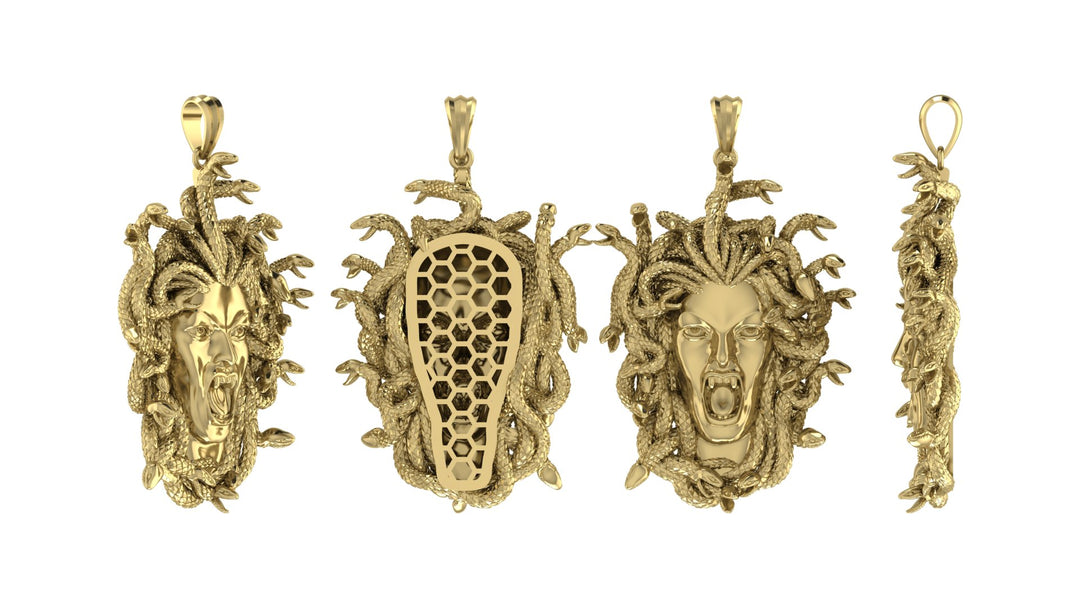
Dije Medusa Oro 14k Plata 925 - Joyería Mexicana Premium — View at Gold Shield →
What common mistakes should I avoid when buying religious jewelry?
Skipping the 3D render review, ignoring metal allergies, and buying unverified stones are the top errors. Each misstep can lead to disappointment, costly returns, or even health concerns, so it’s essential to approach the purchase with a clear checklist.
Not confirming the design
Our 3D preview eliminates surprises. Customers who skip approval often receive a piece that looks different from their mental image. By reviewing the render, you can request adjustments to size, engraving placement, or stone orientation before production begins, ensuring the final item matches your expectations exactly.
Choosing the wrong metal
If you have nickel sensitivity, avoid gold‑vermeil. Stick with solid gold or 925 silver, which are hypoallergenic. Additionally, consider the piece’s intended wear: 14k gold offers a balance of durability and affordability, while 18k gold provides richer color but is softer and better suited for occasional ceremonial use.
Overlooking certification
Always ask for the GIA or equivalent report for natural gemstones. We include the report in the package. This document verifies the stone’s authenticity, origin, and any treatments applied, protecting you from mislabeled or lab‑grown alternatives.
Ignoring engraving limits
Engravings are limited to 12 mm of text. Longer messages should be split across the front and back of a pendant. Planning the wording in advance—using abbreviations or symbols—helps you stay within the space while still conveying the intended sentiment.
Where can I buy religious jewelry?
You can buy authentic, handmade religious jewelry directly from Gold Shield, the Mexican workshop that ships insured to the USA. Our commitment to quality control means every piece is inspected before it leaves the studio, and our shipping partners provide tracking and insurance for peace of mind.
Online store
Visit Gold Shield’s website and filter by “religious” to see our full catalog. The site includes detailed product pages with high‑resolution images, metal specifications, and stone certifications, allowing you to compare options side by side.
WhatsApp ordering
Message us at +1 845 622 6479 for a personal consultation, price quote, and to start the 3D design process. Our team can share live photos of the work‑in‑progress, answer material‑specific questions, and guide you through customization steps in real time.
Physical locations
We don’t have a U.S. storefront yet, but we partner with select boutiques in Texas and California. Ask us for the nearest retailer; many of these partners display our pieces in dedicated faith‑focused showcases, allowing you to see the craftsmanship up close before ordering.
Can I wear religious jewelry at work, school, or the military?
Yes—most workplaces and schools allow modest religious symbols, but policies vary significantly depending on the specific industry, safety requirements, and institutional culture. Understanding the nuances of these environments helps you choose pieces that express your faith without violating professional or institutional standards. The key is to balance personal expression with the practical demands of your daily setting, ensuring that your jewelry remains a subtle reminder of your beliefs rather than a distraction or safety hazard.
Workplace
A small gold cross or silver Hamsa charm under a shirt cuff is generally acceptable in corporate and office environments where dress codes lean toward business casual or formal attire. In creative industries or less structured offices, slightly larger pendants may be permissible, provided they do not clash with professional aesthetics. However, you must exercise caution in safety‑critical jobs such as manufacturing, healthcare, or construction. In these fields, loose or dangling jewelry can pose entanglement risks with machinery or interfere with the proper fit of personal protective equipment (PPE). For these roles, opt for flat, low‑profile pieces that sit close to the skin, or consider keeping religious jewelry in a secure pendant pocket if strict safety protocols prohibit any metallic accessories entirely.
School
Many districts permit discreet jewelry, recognizing the importance of personal identity for students and staff alike. A tiny saint’s medal on a chain is often allowed; check your school’s dress code for specific guidelines regarding size and visibility. In higher education settings, such as universities, students and professors have greater latitude to wear more expressive pieces, including larger rosaries or detailed amulets, as long as they do not disrupt the learning environment. For younger students, it is advisable to choose pieces that are durable and unlikely to be lost during physical activities. Always verify with the administration whether specific symbols are restricted, as some institutions may have policies against overtly political or controversial imagery, even if religious symbols are generally tolerated.
Basic training
U.S. military basic training restricts all jewelry to ensure safety, hygiene, and uniformity during intensive physical and combat training. You can wear religious items after training ends, provided they meet uniform guidelines set by your specific branch and unit. Post‑training, regulations typically allow one ring per hand (excluding the thumb), one watch, and one set of earrings for women, while religious symbols like crosses or stars are often permitted as part of the uniform if they are modest in size and do not interfere with the fit of gear. Always consult your unit’s specific orders, as interpretations of "modest" and "non‑disruptive" can vary between units. When in doubt, choose a small, flat pin or a thin chain that can be easily removed for physical training sessions.
What religious jewelry do Muslims wear?
Muslim jewelry often features the crescent moon, star, or calligraphy of the Shahada, serving as a tangible connection to faith and identity. These symbols are not merely decorative; they carry deep spiritual significance, representing guidance, protection, and the declaration of faith. Wearing such jewelry can be a way to honor heritage and maintain a sense of community, especially in multicultural settings. The designs range from minimalist geometric patterns to intricate Arabic script, allowing wearers to choose a style that resonates with their personal taste and level of religious observance.
Materials
Because many Muslims prefer non‑precious metals for daily wear, we offer 925 silver pendants with engraved Arabic script. Silver is widely appreciated in Islamic culture for its purity and affordability, making it a practical choice for everyday devotion. The durability of 925 sterling silver ensures that the engravings remain crisp and legible over time, even with regular handling. For those who prefer a warmer tone, gold‑plated options are available, though solid gold is often reserved for special occasions or significant life events. The choice of metal can also reflect personal preference for weight and comfort, with lighter silver chains being ideal for those who wear their jewelry throughout the day.
Customization
We can engrave a name or a verse from the Quran on the back of a silver crescent. The stone choice is optional; many prefer plain metal for modesty. Customization allows for a deeply personal touch, such as including the date of a significant event or a family name. Our engraving process uses precision laser technology to ensure that the Arabic calligraphy is accurate and respectful, adhering to traditional stylistic conventions. For those who wish to add a touch of color, we offer options for small, unobtrusive gemstones, but we understand that simplicity is often preferred in devotional pieces. The back of the pendant provides a private space for these personal inscriptions, allowing the wearer to keep their faith close without displaying it prominently if desired.
What is religious jewelry called?
It’s commonly referred to as devotional jewelry, faith‑based jewelry, or simply religious jewelry. Specific items have names: crucifix, rosary, mezuzah pendant, or prayer bead bracelet. These terms help clarify the specific tradition and function of the piece. For example, a crucifix specifically depicts the cross with the figure of Christ, while a cross alone is a broader Christian symbol. A mezuzah pendant is a small case containing a scroll with verses from the Torah, worn as a protective amulet in Jewish tradition. Understanding these distinctions is important when selecting a piece, as each carries unique theological and cultural weight. Using the correct terminology can also help you communicate more effectively with jewelers and designers who specialize in faith‑based accessories.
Can teachers or students wear religious jewelry?
Most school districts allow small, non‑disruptive pieces. A teacher might wear a simple silver cross; a student can wear a thin gold huggie with a tiny Star of David. The primary consideration is that the jewelry should not become a focal point in the classroom or interfere with educational activities. For teachers, who are often role models and authority figures, subtlety is key to maintaining a professional environment while still expressing personal beliefs. Students, particularly in high school and college, have more freedom to express their identity, but they should still be mindful of school policies that may restrict jewelry that could be seen as provocative or distracting. In both cases, the goal is to wear faith with confidence and respect, ensuring that the jewelry complements the individual’s appearance without overshadowing their role in the educational setting.
How is religious jewelry made?
Our process blends traditional hand‑crafting with modern 3D design, ensuring that each piece meets the highest standards of quality and authenticity. This hybrid approach allows us to combine the precision of digital technology with the artistry of skilled artisans, resulting in jewelry that is both technically perfect and emotionally resonant. Every step, from initial concept to final polish, is carefully monitored to preserve the integrity of the religious symbol and the quality of the materials used.
Design phase
We sketch the symbol, then a CAD artist creates a 3D model. You approve the render before any metal is cut. This iterative process ensures that the proportions, depth, and detail of the symbol are exactly as you envision them. The 3D render allows you to see the piece from all angles, checking for any potential issues with visibility or comfort. For custom pieces, this phase also includes discussions about the specific font or style of calligraphy, if applicable, to ensure cultural and religious accuracy. Your feedback at this stage is crucial, as it prevents costly errors in the later production stages.
Metal casting
We melt solid gold or silver in a small furnace, pour it into a silicone mold, and let it cool for 30 minutes. The casting process requires precise temperature control to ensure that the metal flows evenly into the mold, capturing even the finest details of the design. After cooling, the piece is removed from the mold and undergoes a roughing‑out process, where excess material is removed to reveal the basic shape. This stage is critical for ensuring that the final piece has the correct weight and balance, which affects how it sits on the body. Our technicians use a combination of hand tools and precision machines to achieve this level of accuracy.
Stone setting
Our jewelers hand‑set each natural gemstone using a prong or bezel technique. A 5 mm stone typically takes 15 minutes to secure. The choice of setting depends on the desired aesthetic and the level of protection needed for the stone. Prong settings allow more light to enter the stone, enhancing its brilliance, while bezel settings provide greater security and a smoother profile. Each stone is carefully measured and fitted to ensure a snug, secure hold that will withstand daily wear. Our jewelers use specialized tools to manipulate the metal, ensuring that the setting is both beautiful and functional, with no sharp edges or loose components.
Finishing
Polishing, engraving, and quality inspection follow. Each piece receives a GIA‑style certificate for gemstone authenticity. The polishing process brings out the full luster of the metal, removing any scratches or imperfections from the casting and setting stages. Engraving is performed with extreme care to ensure that the text is legible and precise. Finally, every piece undergoes a rigorous quality inspection, where it is checked for structural integrity, color accuracy, and overall craftsmanship. The certificate provided with the piece serves as a guarantee of the gemstone’s origin and quality, giving you peace of mind that your investment is genuine and valuable.
Ready to start? Message us on WhatsApp at +1 845 622 6479 for a free quote, 3D preview, and to lock in factory‑direct pricing today.