como evitar que la plata 925 se ponga negra – Silver Shine
925‑silver turns black when silver sulfide forms from sulfur in the air; preventing this is easy if you follow a regular cleaning routine, store pieces properly, and choose certified high‑purity jewelry.
- Store your items in anti‑oxidation bags or a velvet pouch.
- Clean them weekly with warm water and a microfiber cloth; use baking soda only if they’re already darkened.
- Buy from Gold Shield: certified .925 silver, 100 % Mexican craftsmanship, free shipping.
- Choose custom 3D designs and guarantee karat weight and hypoallergenic safety.
- Message us on WhatsApp at +1 845 622 6479 for a no‑obligation quote.
Where can I buy 925 silver that won’t turn black in the US and online?
At our workshop in the heart of Puebla, Gold Shield offers .925 silver with certified purity from independent labs and a hand‑crafted process that removes impurities that speed up oxidation. Each piece undergoes visual and chemical inspection before being sealed, ensuring the alloy stays corrosion‑resistant for years—even in high‑humidity environments or occasional exposure to perfume and cleaning products.
Our online store showcases every item in high‑resolution 360° photos and lets customers approve a 3D render before production. That validation prevents surprises and guarantees the final piece matches the approved design; we also allow minor model tweaks (e.g., changing the band thickness or stone setting) at no extra cost when requested before payment confirmation.
When you shop with us you get FREE insured shipping anywhere in the United States; for U.S. orders we operate through Gold Shield LLC with payment in dollars and real‑time tracking via a shipment number. If a piece arrives damaged, our customer‑service team handles replacement or repair at no additional charge.
Our genuine reviews show that most customers never see their silver turn black again after following our care tips, such as using microfiber cloths, anti‑sulfur bags, and applying a thin layer of beeswax to create a protective barrier.

Anillo Solitario con Moissanita para Promesa o Compromiso 0.5 CT — View on Gold Shield →
How can I personalize and engrave a 925 silver piece so it stays bright?
Engraving names or dates is done with a 10 µm precision laser, which doesn’t damage the protective layer of the silver. In fact, the localized heat removes micro‑impurities, creating a slightly more corrosion‑resistant zone. The contrast of the engraving also makes any darkening easy to spot early.
Our customization process follows three clear steps: (1) 3‑D design in our proprietary software, where you can rotate, scale, and try different fonts; (2) client review and approval via email or WhatsApp, with PDF files and rotating‑model videos so you can confirm every detail before casting; (3) manual fabrication and final polishing in our Puebla workshop, where artisans use professional polishing pastes and an ultrasonic machine to remove residues before applying a final anti‑sulfur sealant.
Customers who choose engraving often ask if the text will turn black; the answer is no, as long as the piece stays clean and is stored in a dry place, preferably in a moisture‑absorbing bag with silica gel. We also recommend avoiding direct contact with chlorine‑ or sulfate‑containing products, because they can seep into the micro‑engraved areas and speed up oxidation.
To see examples of engraved rings, visit Silver Rings for Women, where you’ll find high‑resolution photos of pieces with names, latitude/longitude coordinates, and special dates, all guaranteed to stay bright for at least five years of everyday wear.
What are the best 925 silver options to prevent darkening?
Pieces with a mirror‑polish finish and no additional coatings are less likely to trap sulfur than matte finishes, because the smooth surface doesn’t hold dust or moisture. The mirror polish also cleans easily with a microfiber cloth, reducing the need for abrasive chemicals that could damage the alloy.
At Gold Shield we recommend rings with an optional rhodium plating; rhodium acts as a physical barrier against sulfur and keeps the shine longer. This 2‑3 micron coating is applied by a cyanide‑free electroplating process, ensuring a uniform, contaminant‑free layer. Rhodium also protects against surface scratches, extending the piece’s aesthetic life.
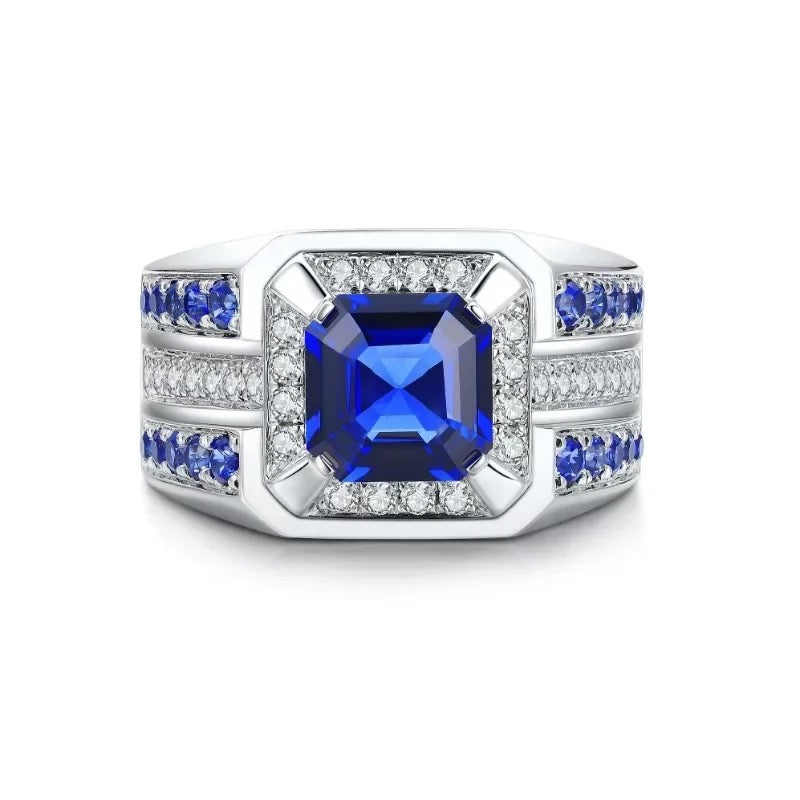
We also suggest pairing silver with certified natural gemstones that don’t release corrosive gases; our moissanites and amethysts are perfect examples because they’re sulfur‑free and won’t react with silver. When using lab‑grown stones like cubic zirconia, we verify they contain no sulfur traces that could accelerate oxidation.
Explore our Silver Engagement Rings collection to find designs that blend style and durability, such as the “Classic Triple Shine” with rhodium plating and the “Moon Soul” with a mirror polish and certified amethyst setting.

Anillo Compromiso Plata 925 Moissanita 0.7ct Mujer — View on Gold Shield →
How can I verify that my .925 silver is authentic and high‑quality?
Gold Shield stamps each piece with a batch number that lets you trace its origin and confirms it contains 92.5 % pure silver, per ISO 9001 standards. The unique code is discreetly printed on the inside of the item and can be checked online through our traceability portal, which shows the casting date, artisan’s name, and the corresponding analysis certificate.
We perform Mohs hardness tests (3.5 ± 0.2) and measure copper content to ensure the alloy never exceeds the allowed 7.5 % copper. In addition, we use X‑ray fluorescence (XRF) spectrometry to verify the exact composition of every batch, catching any deviation before the piece leaves the workshop.
Customers can request an authenticity certificate; we send it as a PDF with the invoice, and we also offer a printed version on recycled paper with the Gold Shield guarantee seal. The document includes the batch number, composition table, and a digital signature from our quality manager.
Our quality control includes a UV‑light visual inspection to spot any unauthorized plating. If nickel or other allergenic metals are found, the item is rejected and re‑melted to .925 silver standards. We also run corrosion resistance tests by submerging the jewelry in a saline solution for 24 hours to ensure it keeps its shine and doesn’t develop premature tarnish.
What determines the price of a .925 silver jewelry piece?
Price depends on weight, design complexity, and whether gems or engraving are included. Each gram of .925 silver has a base cost that’s updated weekly according to the global metal price, with additional charges for labor, CAD design, and special finishes like mirror polishing or texturing.
At Gold Shield we use price ranges that reflect the real cost of raw material and artisan labor. For example, a 3‑gram .925 silver ring without stones is quoted between $1,200 and $1,800 MXN, while a ring set with moissanite can exceed $3,500 MXN. A filigree pendant with a 2 mm amethyst stone typically runs around $2,200 MXN, and a full bracelet‑and‑earring set with custom engraving can reach $5,000 MXN.
We provide no‑obligation quotes via WhatsApp; the client receives a detailed breakdown of materials, labor, and any volume‑discount options. A comparative table also shows the savings versus wholesale distributors, plus a 5 % loyalty coupon on the second purchase.
Compared with brick‑and‑mortar stores, our factory‑direct pricing is up to 30 % lower because we cut out middlemen and sell straight from our workshop in Puebla. That savings translates into higher quality for the same budget and the ability to request custom adjustments at no extra cost.

Anillo de Compromiso de plata con Moissanita 1 CT — View on Gold Shield →
How does the buying and shipping process work for 925 silver jewelry?
The process starts by picking a design on our website; you can request a 3‑D preview or a size adjustment. On each product page we provide an interactive viewer that lets you rotate the piece, switch finishes, and simulate different ring sizes with a sliding bar.
Once you approve the design, we send a production order to our workshop; the typical lead time is 7‑10 business days. During this phase you’ll receive two status emails: one with a CAD‑render update and another with photos of the casting and polishing stages. If any last‑minute tweaks are needed, you have a 48‑hour window to approve or request changes.
Free shipping is handled via Paquete Express with real‑time tracking; deliveries within Mexico usually arrive in 48‑72 hours. Every package includes a care sheet, an authenticity certificate, and a personalized thank‑you card with the buyer’s name.
For shipments to the United States we use DHL with insurance included; you pay in USD and receive the piece in 5‑7 business days. If the recipient prefers pickup at a DHL office, we offer that option at no extra cost. We also ship to Canada and Europe through UPS, with flat‑rate fees calculated at checkout.
What common mistakes cause 925 silver to turn black?
The biggest mistake is washing silver with harsh detergents or scrubbing it with rough cloths, which strips the protective layer and speeds up oxidation. Bleach, chlorine, or ammonia‑based cleaners can attack the alloy and leave stains that are hard to remove without dulling the shine.
Another error is storing the jewelry in direct contact with other metal pieces; the contact creates micro‑scratches that encourage a reaction with airborne sulfur. Friction between rings or necklaces can also produce visible scratches that, over time, make the piece look dull.
Many people think baking soda is the only fix, but overusing it can scratch a polished finish. Applying a 1:1 baking‑soda paste more than once a week on a mirror‑polished piece can create micro‑abrasions that, combined with air exposure, promote a black patina.
At Gold Shield we recommend a gentle cleaning routine and the use of anti‑oxidation bags to avoid these problems. The bags are infused with a silver‑chloride solution that absorbs hydrogen sulfide from the air, keeping your jewelry stain‑free for months.
How can I safely clean 925 silver jewelry at home?
For routine cleaning, simply use warm water, a few drops of mild soap, and a microfiber cloth; dry the piece completely before storing it. Avoid leaving the jewelry soaking for long periods, as stagnant water can encourage oxidation in tiny micro‑cracks.
If the piece is tarnished, make a 1:1 paste of baking soda and water, apply it with a soft‑bristle brush, and rinse with warm water. For extra shine, after rinsing gently rub with a cotton cloth lightly dampened in diluted white vinegar (1 tablespoon per 100 ml water) and let it air‑dry.
An alternative to baking soda is the aluminum foil method: place the jewelry in a container, cover with aluminum foil, add hot water and a tablespoon of salt; the chemical reaction lifts the sulfide layer. For faster results you can add a teaspoon of baking soda to the hot water, which speeds up the electron transfer.
For pieces with delicate stones, use a damp cloth and avoid direct contact with baking soda or aluminum. Pearls, sapphires, or emeralds should be cleaned with warm, mild soap water, then carefully dried with a microfiber towel to protect the setting and the stone’s surface.
How do 925 silver prices compare to other jewelry metals?
| Material | Purity (%) | Mohs Hardness | Typical Weight (g) | Price Range (MXN) |
|---|---|---|---|---|
| Silver .925 | 92.5 | 3.5 ± 0.2 | 2‑5 | 1,200‑2,500 |
| 10k Gold | 41.7 | 2.5‑3 | 2‑6 | 3,500‑6,000 |
| 14k Gold | 58.5 | 3‑4 | 2‑6 | 5,500‑9,000 |
| 18k Gold | 75.0 | 4‑5 | 2‑6 | 8,000‑14,000 |
The table above lists the four most common metals used in fine Mexican jewelry, showing technical specs and typical price ranges you’ll see in today’s market. Silver .925, unlike gold, conducts electricity well and oxidizes more readily, which is why its care is a bit more delicate. Gold is pricier but naturally resists corrosion and tarnish; its hardness varies by alloy—10k gold is softer than 18k, affecting how well intricate settings hold up. Most rings, bracelets, and necklaces fall in the 2‑to‑6‑gram range, striking a balance between weight, comfort, and metal presence.
If you want an elegant piece that won’t break the bank, 925 silver remains the top choice—provided you follow proper maintenance to prevent that dreaded black layer. On the other hand, if you prefer lower‑maintenance jewelry and are willing to spend more, 14k or 18k gold offers natural resistance to dulling and greater hardness, making it ideal for everyday wear or designs with fine details that don’t benefit from silver’s extra malleability.
Frequently Asked Questions
How do I clean silver jewelry?
Use warm water, mild soap, and a microfiber cloth; dry thoroughly before storing.
This basic routine is perfect for everyday cleaning after you’ve worn the piece. Warm water opens the silver’s pores, mild soap lifts dirt without leaving chemical residues, and a lint‑free microfiber cloth prevents scratches. Be sure to dry the jewelry completely with a clean cloth before placing it in its box or pouch, as lingering moisture can speed up oxidation.
What’s the best way to clean silver jewelry that’s turned black?
Make a baking‑soda paste, gently scrub with a soft‑bristle brush, and rinse with warm water.
For tougher stains, mix one tablespoon of baking soda with two tablespoons of water until you get a creamy consistency. Apply the paste to the darkened area using a soft‑bristle brush (an old toothbrush works well) and move in circular motions for 30‑45 seconds. Rinse under warm water and pat dry with a microfiber cloth. Repeat if the discoloration is deep, but avoid more than three consecutive applications to protect the alloy.
How can I clean silver jewelry with baking soda?
Combine a tablespoon of baking soda with enough water to form a paste; apply, scrub, and rinse.
Baking soda acts as a gentle abrasive that neutralizes the sulfur compounds that cause blackening. If the piece has stones or enamel, keep the paste away from those areas—cover them with painter’s tape or simply apply the paste only on the silver. After scrubbing, rinse thoroughly with warm water and dry with a lint‑free cotton towel.
What are some easy at‑home silver cleaning methods?
Warm water + soap + microfiber cloth for daily cleaning; baking‑soda paste or an aluminum bath for stains.
For a weekly maintenance routine, soak the item in a bowl of warm water with a drop of mild soap for about five minutes, then lightly rub with a microfiber cloth. If black spots appear, the aluminum method (see below) provides a non‑abrasive chemical reaction that lifts sulfide without harming the piece.
How should I clean 925‑sterling silver jewelry?
Use the same routine as regular silver, but stay away from chlorine‑based products.
Sterling silver (.925) contains roughly 7.5 % copper, making it more vulnerable to chlorine (found in pool water and some detergents). Always use chlorine‑free water and non‑bleach soaps. If you need to disinfect, apply 70 % isopropyl alcohol with a cloth—don’t submerge the jewelry directly in alcohol.
Can I clean silver jewelry with aluminum foil?
Place the piece in a bowl, cover with foil, add hot water and a tablespoon of salt; the reaction removes sulfide.
This “aluminum bath” works because aluminum reduces silver sulfide (the black layer) to soluble sulfate, while the silver shines again. Use a glass or ceramic bowl, line the bottom with foil shiny‑side up, set the jewelry on top, pour hot (not boiling) water, and stir in one tablespoon of table salt. Let sit 5‑10 minutes, then remove, rinse, and dry. It’s safe for most pieces, but avoid it on soft stones like opal or pearl, as heat and salt can damage them.
How do I clean silver jewelry that has gemstones?
Use only a damp cloth; avoid baking soda or aluminum to prevent scratching or harming the stones.
Precious and semi‑precious stones (sapphire, emerald, topaz) need special care. A slightly damp microfiber cloth is enough to wipe away surface grime. If the piece has enamel, stay clear of abrasive or strong chemicals. For stubborn stains, have the jewelry professionally ultrasonically cleaned.
Can I clean silver and gold jewelry together?
Both can be cleaned with warm water and mild soap; gold doesn’t need baking soda or aluminum.
Gold is chemically inert and doesn’t react with sulfide the way silver does, so a black layer is rare. Warm water + soap keeps gold bright. For extra shine, add a touch of gentle dish detergent to the water and polish with a gold‑polishing cloth. Skip baking soda or aluminum on gold, as they can cause micro‑abrasions.
What if I don’t want to use baking soda?
The aluminum‑and‑salt bath or simply a damp microfiber cloth are safe alternatives.
If you’d rather avoid baking soda, the “aluminum bath” described above is the most effective substitute. Another option is a white‑vinegar solution (1 part vinegar to 2 parts water) with a tablespoon of salt; soak the piece for 5‑10 minutes, then rinse. For light cleaning, a lightly damp cloth with gentle pressure works fine—just be sure to dry the jewelry completely afterward.
How do I restore heavily blackened silver?
Use a baking‑soda paste or the aluminum bath; for extreme cases, bring the piece to our workshop for professional polishing.
When the black layer is deeply set (e.g., after years of storage), you may need several rounds of the aluminum bath or a combination of that and a light baking‑soda rub. If the jewelry features fine engraving or delicate textures, professional polishing ensures details aren’t lost. Gold Shield offers a mirror‑polish service that brings back original brilliance without compromising the metal.
What are some DIY silver‑cleaning tricks?
Warm water + soap + microfiber cloth; for stains, choose baking soda or aluminum based on preference.
This “do‑it‑yourself” approach is great for anyone who wants to skip commercial cleaners. Keep a bottle of warm water, fragrance‑free mild soap, and several colored microfiber cloths (to separate clean from dirty pieces) on hand. For stubborn spots, alternate between the baking‑soda paste and the aluminum bath, always testing a hidden spot first.
How can I make my silver jewelry sparkle after cleaning?
After washing, polish with a silver‑polishing cloth to restore mirror‑like shine.
The polishing cloth contains micro‑particles of cerium oxide, a very fine abrasive that brings back a mirror finish without scratching. Use circular, even motions to cover the entire piece. For hard‑to‑reach areas, dip a cotton swab in a drop of baby oil to keep the cloth from snagging.
Why does my silver turn yellow and how do I fix it?
Yellowing is usually oxidation; an aluminum‑and‑salt bath removes the yellow layer safely.
Yellow oxidation occurs when the copper in the alloy reacts with oxygen, forming copper oxides. The aluminum‑salt bath not only lifts black sulfide but also dissolves these oxides, returning the original silver tone. Finish with a warm‑water rinse and a microfiber dry to prevent any residue from re‑oxidizing.
Ready for a 925‑silver piece that stays bright? Get a custom quote now via WhatsApp and enjoy free shipping across the United States.