como saber si el oro es autentico - Guía definitiva
Authentic gold can be identified through acid tests, hardness checks, and by closely observing its color and shine. In our workshop in Mexico, we’ve found that most customers look for 14k and 18k gold for their jewelry.
Where Can I Buy Authentic Gold in Mexico and Online?
In Mexico you can find genuine gold at specialty jewelry stores like Gold Shield, which offers a full line of solid gold pieces in 10k, 14k and 18k, .925 silver and high‑clarity moissanite. In addition to a range of karats, we provide international certifications that verify metal purity and setting quality. Our expert jewelers, with more than twenty years in the industry, guide you through every step of the buying process—from design selection to detailed care instructions for each piece. If you prefer shopping from home, our online store is optimized so you can filter by metal type, karat, price and style, and enjoy insured shipping anywhere in the country.
When you visit our physical locations in Mexico City, Guadalajara and Monterrey, you can:
- Schedule a personalized consultation where a certified gemologist assesses your needs and shows you physical gold and silver samples.
- See the warranty stamps and authenticity certificates that accompany each item.
- Try on rings and necklaces, watching how the metal reacts to natural and artificial light.
- Get advice on financing options and interest‑free payment plans.
Online, the process is just as thorough: every product includes a technical sheet with a serial number, purity certificate, high‑resolution photos and a 360° video that displays the gold’s shine and texture under different lighting conditions. We also offer live chat with specialists and the option to schedule a video call so you can inspect the piece in real time before confirming your purchase.

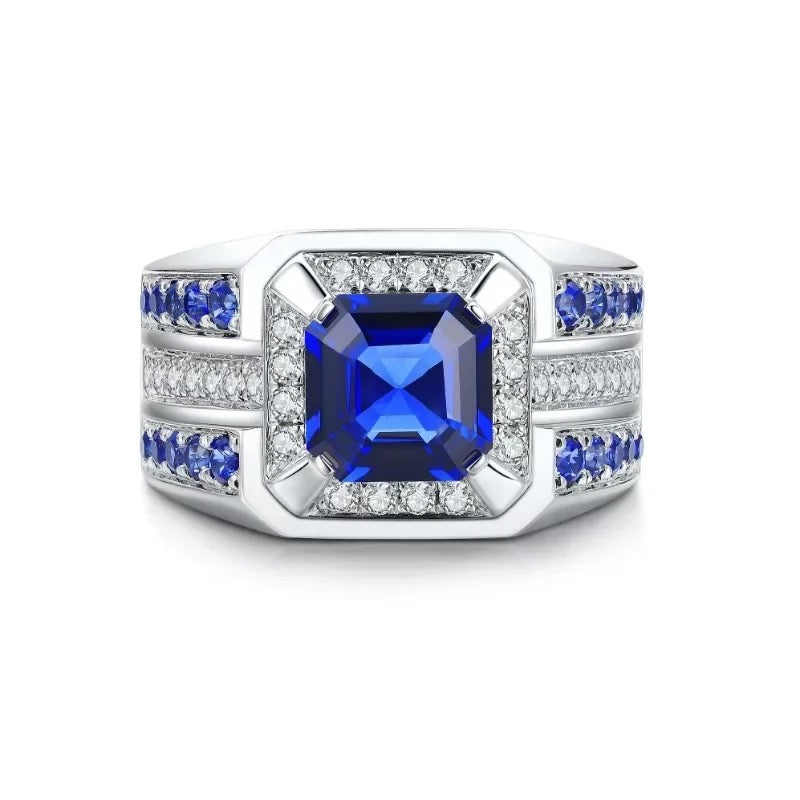
Anillo Solitario con Moissanita para Promesa o Compromiso 0.5 CT — View on Gold Shield →
How can I customize and engrave a gold ring?
At Gold Shield we offer a 3‑D custom design service that lets you see your piece before it’s made. Our advanced modeling software creates a realistic render in minutes; we send that render to you for approval so every detail—from band thickness to exact engraving placement—matches your expectations. We also have a library of fonts and traditional Mexican symbols, such as the nahual or cempasúchil flower, that can be added for a unique cultural touch.
Once the design is approved, our master jewelers move to production using lost‑wax casting and hand polishing. Engraving is done with high‑precision laser, allowing depths up to 0.1 mm without affecting the ring’s structural integrity. You can engrave:
- Full names or initials.
- Important dates (e.g., 12/03/2024).
- Short messages (“Always together”).
- Symbols or QR codes that link to a digital dedication page.
To show the service’s flexibility, here are two real examples: a couple who wanted their wedding date etched on a 14k gold ring with a delicate filigree pattern, and a mother who requested her daughter’s name on a .925 silver ring with a moissanite inset. Both received their pieces in under three weeks, complete with authenticity certification and a lifetime warranty.

Anillo Compromiso Plata 925 Moissanita 0.7ct Mujer — View at Gold Shield →
What Are the Best Options for Real Gold Jewelry?
The top choices for genuine gold in fine jewelry are 14k and 18k. 14k gold (58.5% pure gold) offers strong wear resistance with a warm glow that works for everyday pieces and special‑occasion items. 18k gold (75% pure gold) provides higher purity and a richer color, perfect for designs that want to showcase the metal’s richness and for customers who view their purchase as a long‑term investment.
At Gold Shield we also work with 10k, 14k, and 18k gold, plus alloys that blend copper and silver to achieve specific hues such as rose gold (gold mixed with copper) or white gold (gold alloyed with palladium or nickel and rhodium‑plated). Each alloy has its own advantages:
- 10k gold: hardest, great for rings that see heavy daily wear.
- 14k gold: ideal balance of durability and color.
- 18k gold: highest purity, perfect for heirloom‑quality pieces.
- Rose gold: romantic tone, especially popular for engagement rings.
- White gold: modern, versatile look that pairs beautifully with diamonds and moissanites.
Popular collections include:
- Engagement rings set with diamonds or moissanites in 18k rose gold.
- 14k gold chain bracelets with certified safety clasps.
- Necklaces featuring a .925 silver medal plated in 10k gold for a mixed‑metal style.
Every product ships with an authenticity certificate that lists the exact metal composition, serial number, and production date.

Anillo de Compromiso de plata con Moissanita 1 CT — View on Gold Shield →
How Can I Verify the Authenticity and Quality of Gold?
Authenticity and quality can be confirmed with a mix of traditional tests and modern technology. The most reliable methods include:
- Acid test: a drop of nitric acid is applied to a tiny scraped area. A color change signals the presence of unwanted alloys.
- Hardness test (Mohs scale): pure gold is soft (2.5–3), while 14k gold rates around 4–4.5, noticeable when you try to scratch the surface with a steel point.
- Seal inspection: every Gold Shield piece bears an official stamp showing the karat, brand logo, and a unique serial number.
- X‑ray fluorescence (XRF) spectroscopy: our stores have a portable XRF device that analyzes the metal’s chemical makeup without damaging it, delivering results in seconds.
We also advise customers to compare the piece’s weight against standard weight charts for its size and karat; a large discrepancy can indicate lower‑quality material. Gold Shield guarantees product quality through a three‑step quality‑control process: visual inspection, XRF testing, and final certification. Real customer reviews—including photos of the stamp and certificate—are published so future buyers have verifiable evidence.
What’s the Current Price of Real Gold?
The price of real gold depends on purity (karats), weight in grams, and the daily international market rate. At Gold Shield we work with factory‑direct pricing, allowing us to offer rates that beat traditional brick‑and‑mortar stores. We also give bulk‑purchase discounts, cash‑payment savings, and interest‑free financing plans that fit any budget.
For a quick reference, here’s an example price table (values are illustrative and change with the daily spot price):
- 10k gold: $X MXN per gram.
- 14k gold: $Y MXN per gram.
- 18k gold: $Z MXN per gram.
When you buy from Gold Shield you also get the guarantee of authenticity, an official certificate, and the option to resell the piece later at the same reference value—every item is logged in our traceability system.
How Does Shipping and Gifting Real Gold Work?
Gold Shield offers FREE, insured shipping throughout Mexico and U.S. delivery with payment in dollars. Packages are built with high‑density polyethylene foam, double‑wall cardboard, and a tamper‑evident seal, so each piece of jewelry is fully protected from shocks and vibrations during transit. Every shipment includes real‑time tracking and insurance that covers the full value of the item, so any issue is resolved with a replacement or refund—no extra paperwork. For gifts we add a personalized card that reads “Gold Shield – Mexican Fine Jewelry” and a velvet presentation box that makes opening the package feel as luxurious as the jewelry inside.
Real Gold Comparison Chart
| Gold Type | Purity | Hardness (Mohs) | Approx. Price |
|---|---|---|---|
| 10k Gold | 41.7% (10 parts pure gold out of 24) | 2.5‑3.0 | $500‑$1,500 |
| 14k Gold | 58.5% (14 parts pure gold out of 24) | 3.0‑3.5 | $1,000‑$3,000 |
| 18k Gold | 75% (18 parts pure gold out of 24) | 3.5‑4.0 | $2,000‑$5,000 |
Gold Shield offers a wide range of authentic gold jewelry, including silver engagement rings, women’s gold rings, silver rings and women’s silver rings. Every piece comes with a certificate of authenticity that lists its karat weight, net weight, and batch number, ensuring traceability from melt to delivery. Our collections follow current trends—from minimalist 14k gold styles to Art Déco 18k designs with diamonds or semi‑precious stones—so you can find the perfect piece for any personality or occasion.
Frequently Asked Questions
How can I tell if gold is real?
Real gold can be identified with acid tests, hardness checks, and visual inspection of color and shine. For example, the acid “touch test” uses a drop of nitric acid on an inconspicuous spot; authentic gold won’t react, while base metals change color. Hardness is checked by gently scratching with a testing stone: pure gold is soft and won’t leave deep marks, unlike brass or copper. Finally, the color should be uniform and the luster “warm” rather than overly yellow, indicating a well‑balanced alloy.
How do I know if my gold is real or fake?
The most reliable way is a lab analysis or a professional jeweler’s evaluation. An accredited lab can run an X‑ray fluorescence (XRF) spectrometry test that accurately measures gold content without damaging the piece. If a lab isn’t available, a certified jeweler with a precision scale and a 10× loupe can assess weight, karat stamp and manufacturing details—key factors for distinguishing genuine gold from brass or copper plating.
How can I identify 14k gold?
14k gold shows a richer yellow than 10k but isn’t as deep as 18k, with a consistent, even shine. A specific 14k acid (green) will produce no visible reaction. On the Mohs hardness scale, 14k falls around 3.0‑3.5, so a light scrape with a testing stone won’t deform the metal or leave deep scratches.
How do I know if a chain is real gold?
An authentic gold chain has a smooth finish with no sharp edges; when bent, the metal won’t crack or break. Test a hidden link with acid—18k gold shows no reaction with red acid, while a plated chain will discolor. Weight is also a clue: gold is dense, so a chain that feels light for its length and thickness may be merely plated.
Can I test gold at home?
You can perform acid and hardness tests with a home gold‑testing kit that includes green, red and blue acids and a testing stone. Rub the piece on the stone to lift a tiny metal sample, then apply the acid that matches the karat you suspect. No color change means the metal matches that karat. Add a magnet test—gold isn’t magnetic; if the piece sticks to a magnet, it contains ferrous alloys and isn’t pure gold.
Is vinegar a reliable way to test gold?
Vinegar isn’t a dependable test. While it can corrode some base metals, gold resists the mild acidity of vinegar, so a plated piece may pass without any visible change. Vinegar also can’t differentiate between gold alloys and brass or copper plating, leading to false positives. We recommend a proper gold‑specific acid test or an XRF analysis instead.
Can I use lemon juice to check if gold is real?
Lemon juice isn’t reliable either. The citric acid is too weak to affect most metals, and even gold plating can remain unchanged, producing misleading results. Moreover, the juice can damage finishes, especially on pieces with stones or enamel, so it’s best avoided.
What about using fire to test gold?
Applying heat is not a safe or accurate method. Extreme heat may melt low‑gold alloys, but it also destroys designs, stones and plating. The process requires specialized equipment and poses safety risks—untrained attempts can ruin the item without revealing its composition.
How can I tell if white gold is real?
Real white gold is alloyed with palladium, nickel or silver and usually rhodium‑plated for a bright, silvery look. A green acid (for 14k) or red acid (for 18k) will not react. Authentic white gold feels heavier than silver or painted brass, and a light scratch with a testing stone won’t produce oxidation stains that appear on base metals.
What’s the best way to determine if something is real gold or fake?
The most accurate approach is a lab test or a certified jeweler’s assessment. An XRF analysis provides a percentage breakdown of the metals, confirming whether the alloy meets the claimed karat. Without a lab, a jeweler can use a precision scale to compare the piece’s actual weight to the theoretical weight based on volume and karat, look for official hallmarks (e.g., “14K GR”), and evaluate the quality of the finish.
Does a magnet help identify real gold?
A magnet isn’t a definitive test. Pure gold and its alloys are non‑magnetic, but many counterfeit metals like brass or copper are also non‑magnetic, leading to false negatives. Only the presence of iron or nickel would cause attraction, which isn’t a reliable indicator of genuine gold.
Ready to buy authentic gold? Get a quote now on WhatsApp +1 845 622 6479 and secure the best price on Mexican jewelry!