The Ultimate Guide to Vintage Jewelry: From History to Modern Handmade
TL;DR – Quick Summary
- Vintage jewelry blends timeless style with modern craftsmanship; 10k, 14k, 18k gold and sterling silver are common.
- Our Mexican workshop custom‑sets moissanite and natural gemstones in 3D renders before you approve.
- Prices range from $150 for a 14k pendant to $1,200 for a 18k Cuban link chain.
- We guarantee karat, offer insured shipping to the USA, and provide free shipping within Mexico.
- Engraving, name/date options, and hypoallergenic materials make Gold Shield the go‑to for unique vintage‑inspired pieces.
Vintage jewelry is more than a nostalgic trend; it’s a living history of craftsmanship, design, and personal expression. In our workshop in Mexico, we honor that legacy by creating one‑of‑a‑kind pieces that blend classic aesthetics with contemporary quality.
What Exactly Is Vintage Jewelry, and How Is It Defined?
Vintage jewelry refers to pieces that are at least 20–30 years old, often reflecting the fashion of the 1940s through the 1990s. The term “vintage” also implies a certain patina, craftsmanship, and material purity that modern mass‑produced jewelry may lack. In practice, a vintage item carries the cultural imprint of its era—whether it’s the bold geometric lines of the post‑war period, the delicate filigree of the 1970s boho revival, or the sleek minimalism of the early 1990s. Collectors and designers alike value these pieces for the way they tell a story, showcase period‑specific techniques such as hand‑engraving or hand‑enameling, and often feature materials that have stood the test of time.
Key Characteristics
• Authenticity: Genuine gold (10k, 14k, 18k) or sterling silver (925) with no modern plating. Authentic vintage pieces will show hallmarks or maker’s marks that correspond to the era of production, and the metal will feel solid rather than lightweight or coated.
• Design: Distinctive motifs such as Art Deco’s angular symmetry, Victorian filigree’s intricate scrollwork, or 1970s geometric shapes like oversized hexagons and sunburst patterns. These design cues often include period‑specific settings—like prong‑set cabochons for Art Deco or bezel‑set gemstones for 80s styles—that help identify the piece’s lineage.
• Condition: Minor wear, original settings, and intact gemstones or enamel. A well‑preserved vintage item may exhibit a subtle patina that enhances its character, while still retaining the original clasp, hinge, or gemstone setting without replacement. Collectors look for pieces that have been gently worn rather than heavily repaired, as this preserves both aesthetic and monetary value.

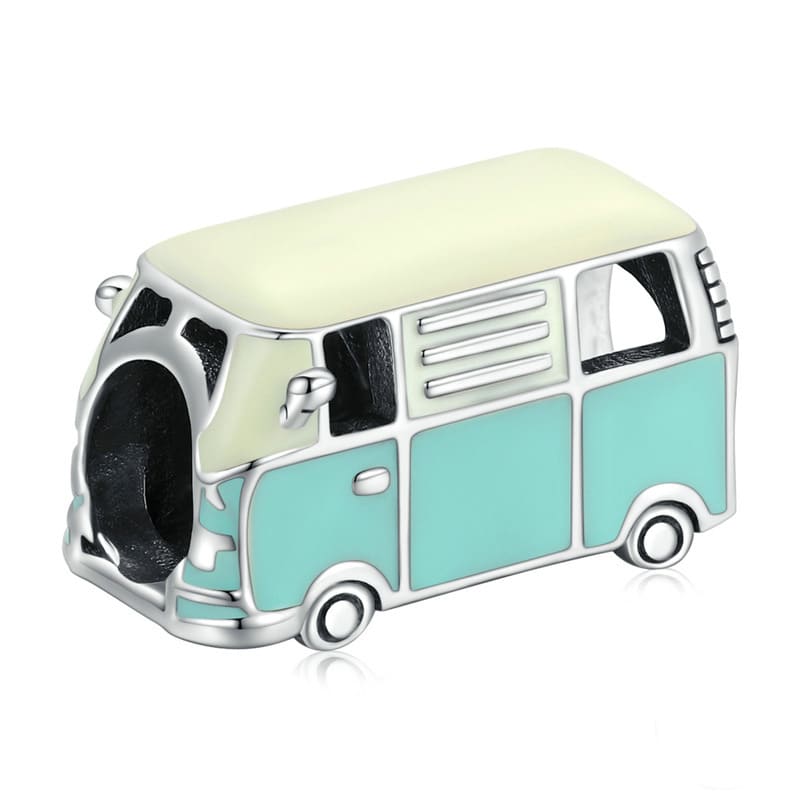
Charm Coche Vintage Plata 925 Esmalte Verde - Joyería Mexicana — View at Gold Shield →
How Do I Spot Genuine Vintage Jewelry, and What Materials Should I Look For?
Our expert jewelers use a three‑step inspection: visual assessment, metal testing, and gemstone authenticity verification. This systematic approach ensures that every piece we present meets the high standards expected by collectors and modern buyers alike.
Metal Purity Verification
Gold purity follows the 24‑part scale: 10k = 41.7%, 14k = 58.5%, 18k = 75%. Sterling silver must read 92.5% (925). We begin with a magnified visual inspection for hallmarks, then employ a portable X‑ray fluorescence (XRF) device to confirm these numbers without damaging the piece. The XRF analysis can also detect trace alloys—such as copper in rose gold or nickel in older silver—that are typical of certain vintage periods, giving us additional clues about the piece’s origin.
Gemstone Identification
Natural gemstones show unique inclusions; we compare them with GIA‑certified samples and use a 10× loupe to spot characteristic growth patterns. For colored stones like turquoise or amber, we also perform a simple acid test to rule out glass imitations common in mid‑century costume jewelry. Moissanite, our popular lab‑grown alternative, has a Mohs hardness of 9.25, slightly lower than diamond (10) but higher than most natural gems, and it exhibits a distinct “rainbow” fire under polarized light that helps differentiate it from other stones.
What Are the Most Popular Vintage Jewelry Types, and Which One Should I Choose?
From statement pieces to everyday wear, each style offers a distinct vibe that can complement both formal occasions and casual ensembles. Understanding the visual impact, wearability, and historical context of each type helps you select a piece that resonates with your personal aesthetic.
Statement Pendants and Brooches
Large, intricate designs that draw attention. Ideal for formal events, these pieces often feature layered metalwork, enamel detailing, and oversized gemstones such as cabochon amethyst or faceted garnet. A vintage brooch from the 1950s, for example, might showcase a mix of filigree and Art Deco geometry, making it a perfect focal point for a tuxedo lapel or a simple cocktail dress.
Studs, Hoops, and Huggie Earrings
Classic shapes that transition from day to night. Our collection includes 14k gold studs with vintage filigree, which combine the durability of solid gold with the delicate hand‑crafted patterns of the 1920s. Hoops ranging from 10 mm to 30 mm often incorporate subtle milgrain edges or tiny diamond accents that echo the glamour of the 1970s disco era, while huggie styles offer a snug, modern fit with a nostalgic twist.
Cuban Link Chains
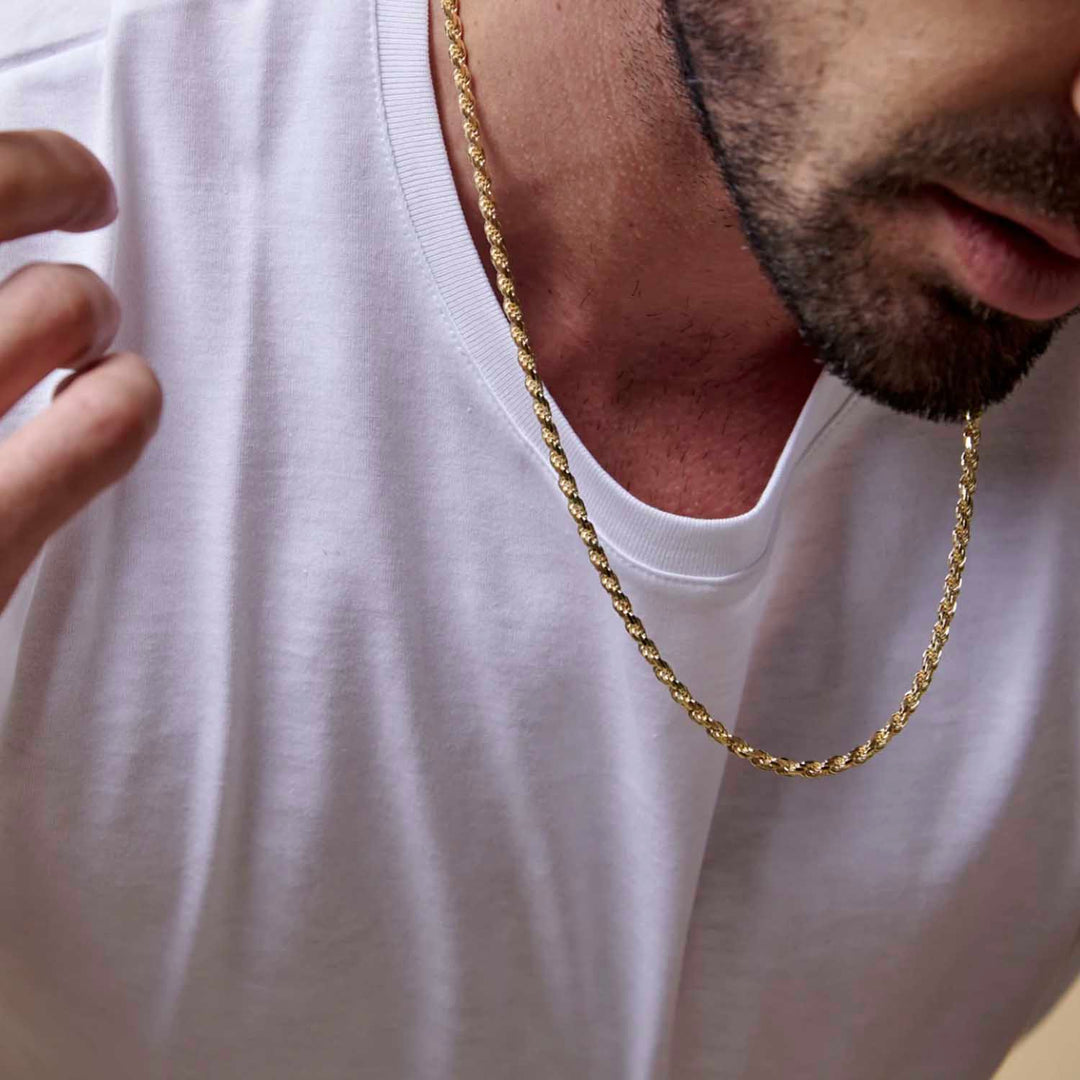
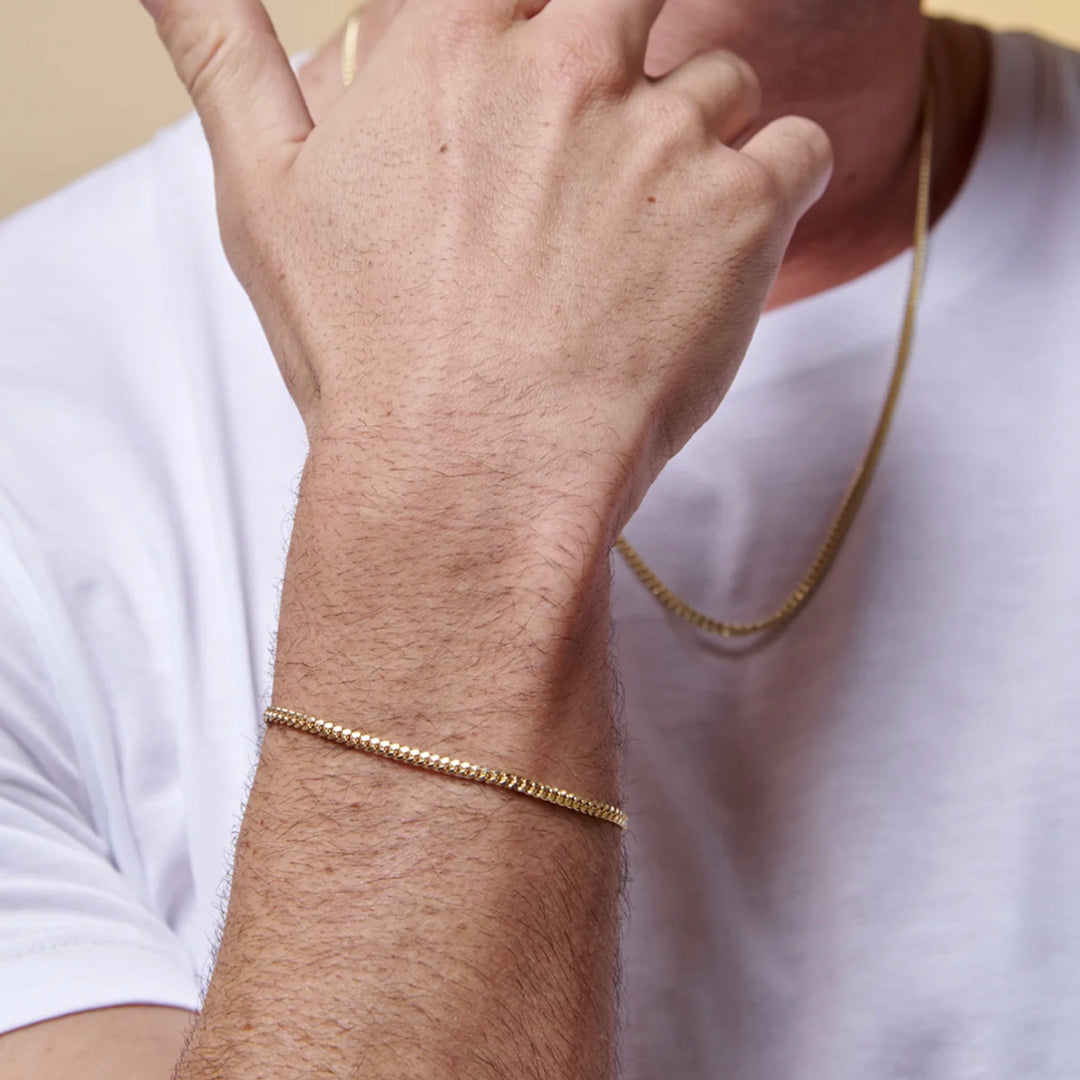
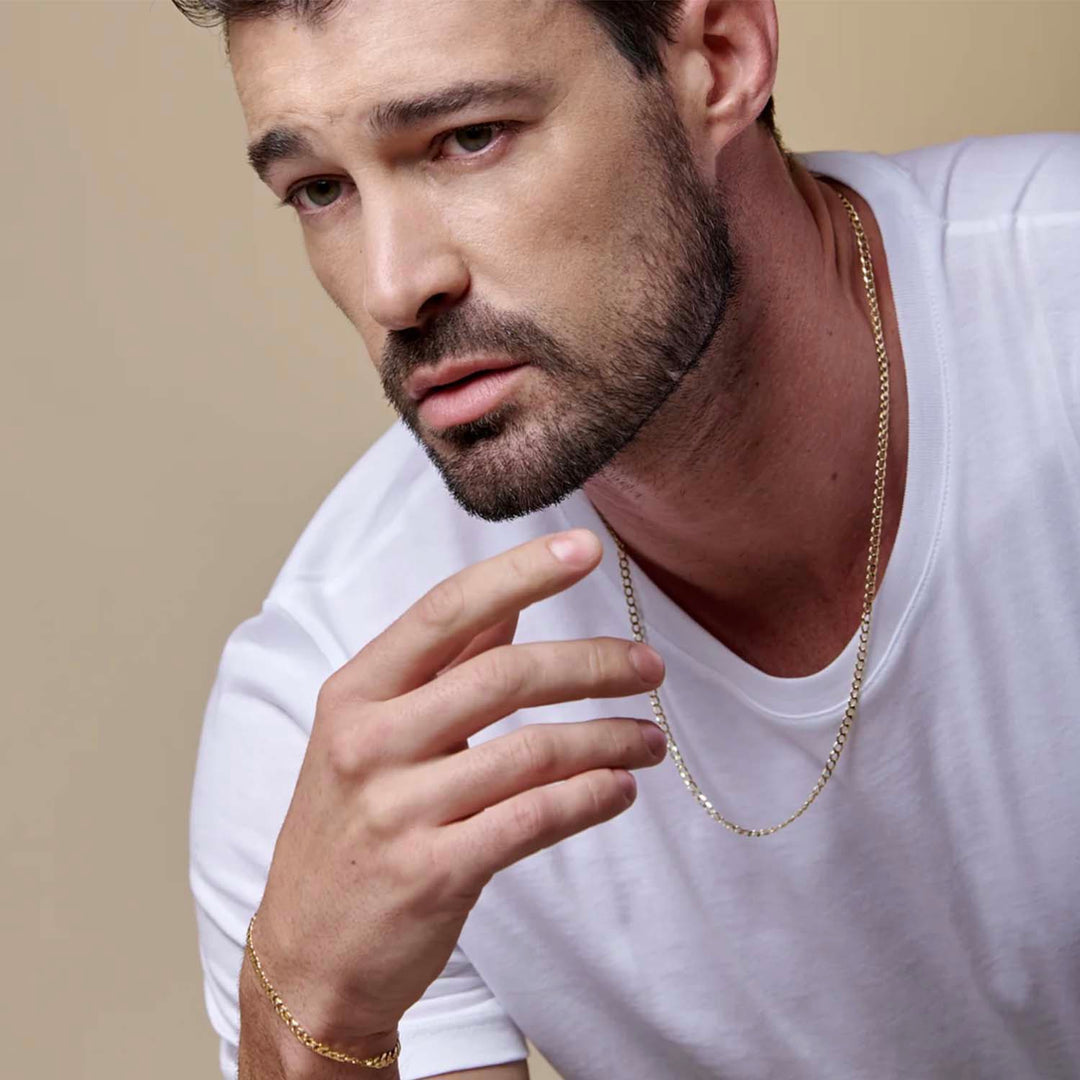
Bold, interlocking links that exude confidence. A classic Cuban link chain features a flat, tightly woven pattern that sits flush against the skin, creating a luxurious weight and a distinct shine. An 18k Cuban chain typically weighs roughly 30 grams for a 20‑inch length, providing a substantial feel without being overly heavy. The chain’s value is driven by its gold purity, link precision, and any accompanying pendants or clasps that may be period‑specific.
Stackable Rings and Bracelets
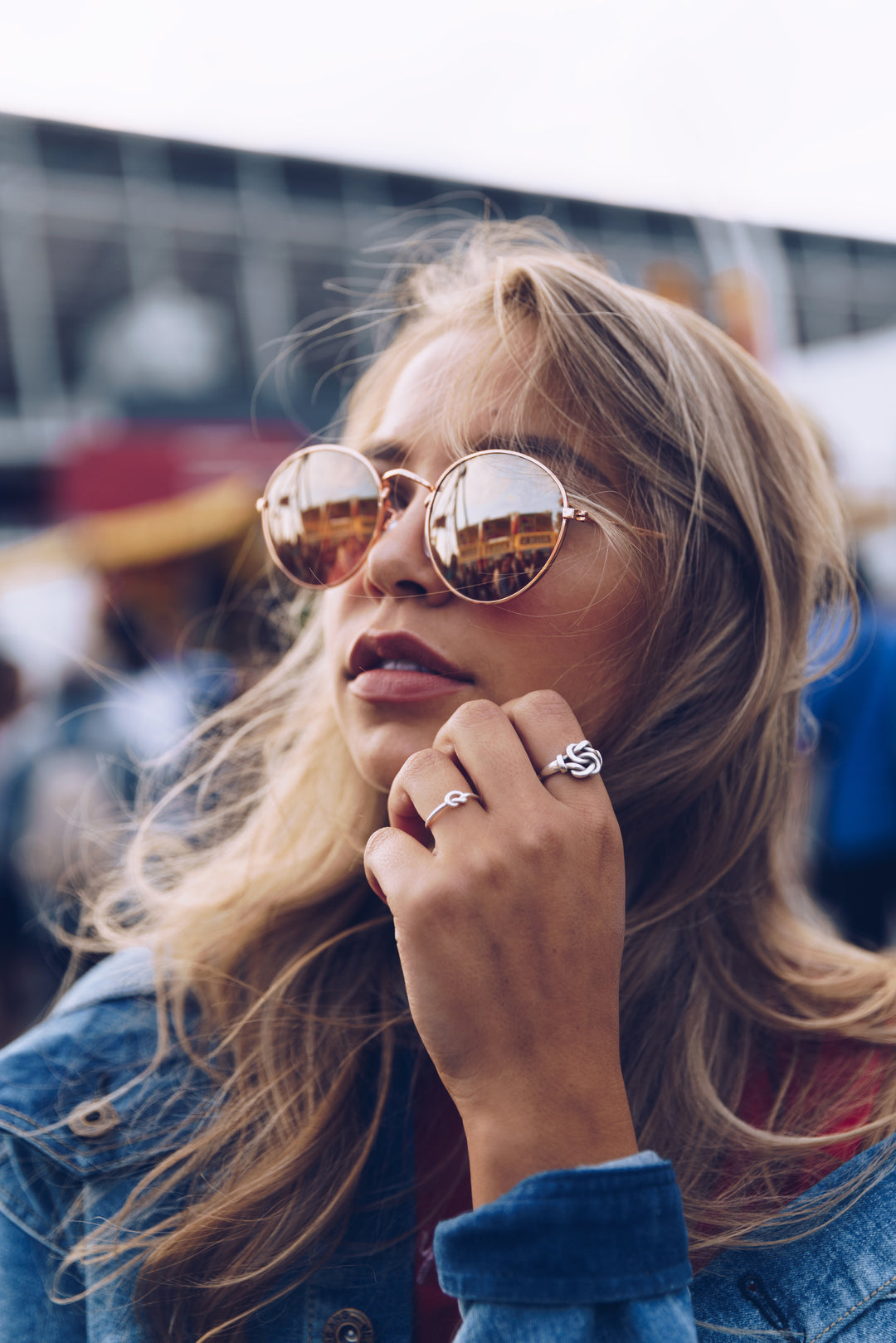
Layered designs allow personalization. We offer adjustable sterling silver sets that can be mixed and matched with other metals, gemstones, or engraved charms. Stackable rings often feature milgrain edges, tiny gemstone clusters, or open‑work designs that echo the bohemian spirit of the 1970s, while bracelets may incorporate hinged clasps and subtle engraving that tell a story unique to each wearer.
How Do I Choose the Right Metal and Gemstone for a Vintage‑Inspired Piece?
Consider durability, hypoallergenic properties, and personal style when selecting the foundation of your jewelry. Each metal and gemstone brings its own set of benefits, maintenance needs, and visual impact that can enhance or alter the vintage aesthetic you’re aiming for.
Gold vs. Silver
Gold is warmer and more resistant to tarnish, making it ideal for pieces that will see frequent wear or exposure to moisture. Higher karat gold (18k) offers a richer hue but is softer, so it’s best suited for pendants or earrings rather than heavy bracelets. Silver offers a cooler tone and a bright, reflective surface that pairs beautifully with colored gemstones; however, it requires occasional polishing to prevent oxidation and maintain its shine, especially in humid climates.
Gemstone Options
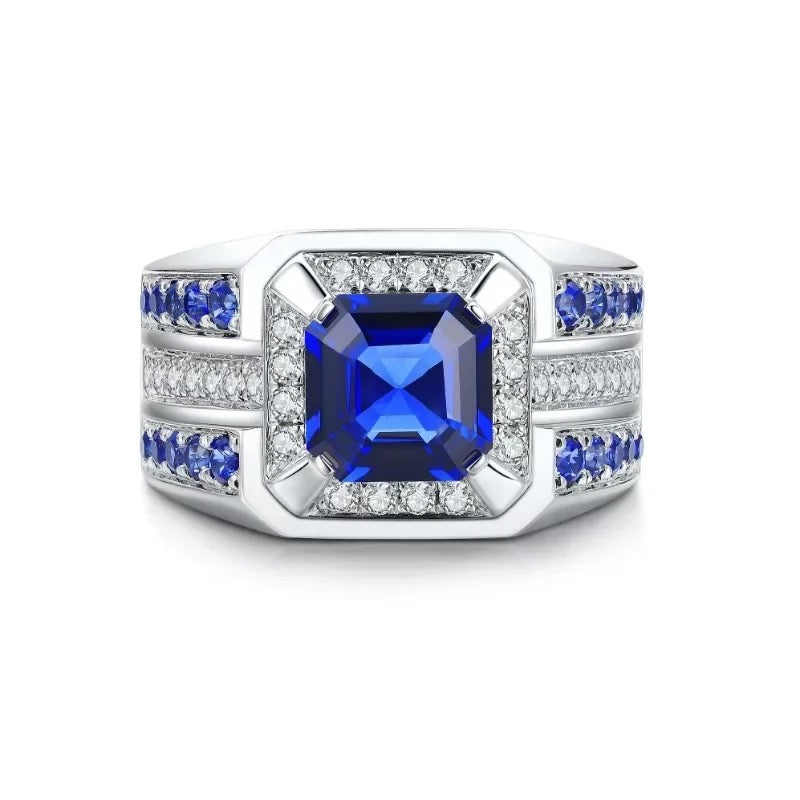
Moissanite offers brilliance without the high cost of diamond and is exceptionally durable, making it a practical choice for everyday vintage‑style rings. Natural sapphires and emeralds bring vintage depth; sapphires in deep blue or pastel hues were popular in the 1960s, while emeralds set in intricate prong work defined many 1930s Art Deco pieces. When selecting a gemstone, consider its hardness (Mohs scale), clarity, and whether it has been treated—a common practice in vintage pieces that can affect long‑term care.

Charm Coche Vintage Plata 925 Naranja - Joyería Mexicana — View at Gold Shield →
What Factors Drive the Price of Vintage Jewelry, and How Can I Get the Best Value?
Price hinges on age, condition, material, and rarity. Understanding each factor helps you make an informed purchase and ensures that you receive a piece that not only looks beautiful but also holds investment potential.
Age and Rarity
A piece from the 1940s with original setting can fetch 1.5× its retail value because it represents a limited production run and often features hand‑crafted details that are no longer made. Rarity is amplified when the designer is notable (e.g., a Cartier or Van Cleef & Arpels hallmark) or when the piece belongs to a short‑lived trend, such as the “atomic age” motifs of the early 1950s.
Condition and Restoration
Minor restoration—such as professional cleaning, gentle polishing, or careful re‑setting of a loose stone—adds value by improving wearability while preserving originality. However, excessive alteration, like replacing original metal with a newer alloy or over‑engraving, can diminish authenticity and lower resale price.
Material Content
Gold purity directly impacts price. 18k pieces command a premium over 14k because of the higher gold content and richer color. Sterling silver (925) is valued for its purity but is more sensitive to market fluctuations; pieces with additional elements like enamel work or intricate hand‑carved details can offset lower metal value with artistic merit.
How Does the Buying and Customization Process Work at Gold Shield?
We combine vintage inspiration with modern technology to deliver a personalized experience. At Gold Shield, the journey from concept to creation is designed to be as transparent and engaging as the final piece itself. We bridge the gap between historical aesthetics and contemporary precision, ensuring that every client feels a direct connection to the craftsmanship. Our process is not merely transactional; it is collaborative, allowing you to influence the final outcome while we handle the complex technical aspects of high-end jewelry making. This approach ensures that the piece you receive is not only visually stunning but also structurally sound and tailored to your specific lifestyle and preferences.
Step 1: Selection
Browse our Alta Joyería for unique vintage‑inspired designs. Each model in this collection is a limited edition, meaning we only produce one piece per design. This exclusivity ensures that you are not buying a mass-produced item, but rather a singular artifact with its own identity. When selecting a piece, consider the specific vintage era that resonates with you, whether it is the geometric boldness of the Art Deco period or the organic fluidity of Art Nouveau. Our catalog provides detailed descriptions of the historical inspirations behind each design, helping you choose a piece that tells a story aligned with your personal taste.
Step 2: Custom Setting
Choose your metal and gemstone. Our 3D render allows you to approve the final look before production. This step is crucial for ensuring satisfaction, as it allows you to visualize how different metals interact with light and how specific gemstones complement the setting. For example, you might choose 14k yellow gold for a warmer, classic tone, or 18k white gold for a brighter, modern contrast against a vintage cut diamond. The 3D rendering technology provides a photorealistic preview, enabling you to check proportions, stone size, and metal weight from multiple angles. This digital approval process eliminates guesswork and ensures that the physical piece matches your expectations perfectly before our artisans begin the hand-forging process.
Step 3: Production and Shipping
Our artisans hand‑craft the piece in Mexico. We ship insured to the USA and offer free shipping within Mexico. The production phase involves skilled jewelers who utilize traditional techniques such as lost-wax casting and hand-chasing to bring the digital design to life. Every curve and edge is refined by hand, ensuring a level of detail that machines cannot replicate. Once the piece is polished and inspected for quality, it is carefully packaged in protective materials to ensure safe transit. For international clients, our insured shipping option provides peace of mind, covering the piece against loss or damage during transit. Within Mexico, our free shipping service ensures that local clients can receive their new heirlooms quickly and conveniently, supporting our community while delivering premium service.
What Care and Maintenance Does Vintage Jewelry Require?
Proper care extends life and preserves brilliance. Vintage jewelry is an investment that requires a thoughtful maintenance routine to ensure it remains in pristine condition for generations. Unlike modern fast-fashion jewelry, pieces crafted with higher quality metals and gemstones are designed to last, but they are also more susceptible to specific types of damage if not handled correctly. Understanding the delicate balance between cleaning and preservation is key to maintaining the structural integrity and aesthetic appeal of your vintage-inspired pieces. Regular, gentle care can prevent minor issues from becoming major repairs, keeping your jewelry looking as vibrant as the day it was crafted.
Cleaning Techniques
Use a mild soap solution and a soft brush. Avoid harsh chemicals that can damage metal or gemstones. For optimal cleaning, prepare a lukewarm water solution with a few drops of gentle, ammonia-free dish soap. Soak the piece for a few minutes to loosen any trapped oils or dirt, then gently scrub with a soft-bristled toothbrush, paying particular attention to crevices where grime can accumulate. It is important to rinse thoroughly with clean water and dry immediately with a lint-free cloth to prevent water spots. Harsh chemicals, such as bleach or chlorine, can corrode silver and damage certain gemstones, so it is best to remove your jewelry before swimming or using household cleaners. For pieces with porous stones like opals or pearls, avoid soaking and instead use a damp cloth to wipe the surface gently.
Storage Tips
Store each piece separately in a soft pouch to prevent scratches. Vintage jewelry often features intricate details that can be easily scratched by contact with other hard surfaces. Using individual soft pouches or lined jewelry boxes ensures that each piece remains protected from abrasion. Additionally, consider the environment in which you store your jewelry; humidity can tarnish silver and affect certain gemstones, so keeping your storage area dry is essential. For pieces with delicate settings, such as prong-set stones, ensure they are not placed under heavy items that could potentially crush or distort the metal. Proper storage not only protects the physical integrity of the jewelry but also helps organize your collection, making it easier to find and appreciate each piece when you are ready to wear it.

Charm Tostador Plata 925 Vintage - Joyería Mexicana — View at Gold Shield →
How Does Vintage Jewelry Compare to Modern Jewelry in Terms of Quality and Value?
Vintage pieces often showcase superior hand‑craftsmanship and unique design elements. While modern jewelry benefits from advanced manufacturing technologies that allow for mass production, vintage-inspired jewelry retains the soul of traditional artisanal practices. This distinction is evident in the weight, texture, and detail of the pieces. Vintage-style jewelry is often designed with a focus on longevity and timeless aesthetics, whereas modern trends may prioritize immediate fashion appeal over long-term durability. Understanding these differences helps buyers make informed decisions about which type of jewelry aligns with their values and long-term goals. The value proposition of vintage jewelry lies not just in its materials, but in the story and craftsmanship embedded in each piece.
| Aspect | Vintage | Modern |
|---|---|---|
| Metal Purity | 10k–18k gold, 925 silver | Gold vermeil (thin gold layer) or plated |
| Craftsmanship | Hand‑worked details | Machine‑made, mass production |
| Durability | Longer lifespan if well maintained | Potential for wear and tear faster |
When Are the Best Occasions to Gift Vintage Jewelry, and What Pieces Work Best?
Vintage jewelry makes memorable gifts for milestones. Choosing the right piece for a specific occasion can enhance the emotional impact of the gift, making it a cherished keepsake rather than just an accessory. Vintage-inspired designs carry a sense of history and significance, making them particularly suitable for moments that mark transitions or celebrations in life. By selecting a piece that reflects the recipient's personality and the nature of the occasion, you create a gift that is both personal and meaningful. Whether it is a romantic gesture, a professional achievement, or a family milestone, the right vintage piece can serve as a tangible reminder of the moment.
Anniversaries
A 14k gold anniversary band with a custom engraving. Anniversary bands are a classic choice for celebrating enduring love, and the addition of a custom engraving, such as a date or a short message, adds a deeply personal touch. The durability of 14k gold makes it an excellent choice for daily wear, ensuring that the band can withstand the rigors of everyday life while retaining its luster. The vintage-inspired design elements, such as milgrain edges or textured surfaces, add character and depth to the piece, distinguishing it from a standard plain band. This type of gift symbolizes the strength and beauty of a long-lasting relationship, serving as a daily reminder of the commitment shared between partners.
Birthdays
A 18k Cuban link chain or a vintage sapphire pendant. For birthdays, bold and statement-making pieces are often preferred as they can elevate any outfit and make a strong fashion statement. An 18k Cuban link chain offers a luxurious feel and substantial weight, making it a versatile accessory that can be worn with both casual and formal attire. Alternatively, a vintage sapphire pendant adds a pop of color and historical elegance, appealing to those who appreciate gemstone beauty and intricate design. These pieces are not only gifts for the day but also additions to a personal collection that can be enjoyed for years to come, marking the recipient's growth and style evolution.
Graduations
Adjustable sterling silver bracelets to celebrate new beginnings. Graduations mark a significant transition from one chapter of life to another, and jewelry that symbolizes this change is particularly poignant. Adjustable sterling silver bracelets are ideal for this occasion because they can be resized to fit different wrist sizes, making them a practical and thoughtful choice for young professionals entering the workforce. The silver metal offers a bright, clean look that pairs well with business attire, while the adjustable clasp ensures a comfortable fit. These pieces serve as a reminder of the hard work and dedication that led to this achievement, and they can be worn on the first day of a new job or during other important career milestones.
What Common Mistakes Should I Avoid When Purchasing Vintage Jewelry?
Beware of mislabeling and poor restoration. The vintage jewelry market can be complex, with varying levels of authenticity and quality. As a buyer, it is important to be vigilant and informed to avoid purchasing pieces that do not meet your expectations or standards. Understanding the potential pitfalls in the market helps you navigate the buying process with confidence and ensures that you are getting a piece that is both authentic and well-crafted. By being aware of common issues, you can ask the right questions and make more informed decisions, ultimately protecting your investment and ensuring your satisfaction with the purchase.
Mislabeling
Some sellers claim “18k gold” when it’s actually 14k or plated. Mislabeling is a common issue in the secondary market, where pieces may be described inaccurately to increase their perceived value. It is crucial to verify the metal purity through hallmarks or certification documents. In some cases, pieces may be plated with a thin layer of gold over a base metal, which can wear off over time, revealing the underlying material. To avoid this, look for reputable sellers who provide detailed information about the metal content and condition of the piece. If you are unsure, consider having the piece tested by a professional jeweler before completing the purchase. This step can save you from potential disappointment and ensure that you are buying what you think you are buying.
Over‑Restoration
Replacing original settings can reduce authenticity and resale value. While some restoration is necessary to make vintage pieces wearable, over-restoration can strip away the character and history that make them special. If original stones are replaced with modern ones, or if the metal is heavily reworked, the piece may lose its vintage appeal and potential value. It is important to ask about the history of the piece and any modifications that have been made. A well-restored piece should retain its original charm while being structurally sound. When evaluating a piece, look for signs of excessive polishing or metal replacement, which can indicate that the piece has been altered significantly. By choosing pieces that have been restored with care and respect for their originality, you can ensure that you are acquiring a true vintage treasure.
FAQs: Common Questions About Vintage Jewelry
How to clean vintage jewelry?
Use a mild soap solution and a soft brush. Avoid ultrasonic cleaners unless the piece is 100% gold or sterling silver. For a more thorough clean, mix a small amount of gentle dish soap with lukewarm water, soak the jewelry for no more than ten minutes, then rinse with clean water and pat dry with a microfiber cloth. If the piece contains pearls or delicate gemstones, use a soft, dry brush to remove dust and avoid any water exposure that could loosen settings or damage the surface. Always check the manufacturer’s recommendations or consult a professional appraiser before attempting any cleaning on high‑value items.
Who buys vintage jewelry near me?
Local antique shops and estate sales often purchase vintage pieces. Contact Gold Shield for a direct sale. In addition, many reputable pawn shops specialize in precious metals and can offer competitive offers, especially if you have a clear title or provenance. Estate sale companies, which manage the liquidation of a deceased collector’s collection, also frequently seek vintage items and can provide a quick sale in exchange for a fair appraisal. If you prefer a more personalized experience, consider visiting a boutique jeweler that specializes in vintage or heritage collections.
Where to sell vintage jewelry?
Online platforms like Etsy, eBay, or specialized vintage auction houses. For a quick sale, contact us directly for a fair appraisal. When listing on Etsy or eBay, include high‑resolution images that capture the setting, gemstone clarity, and any hallmark marks. Use detailed descriptions of the era, metal purity, and any known provenance. For auction houses, submit a pre‑auction appraisal and allow the auctioneer to handle marketing and bidding, which can often result in higher final prices for rare or highly sought‑after pieces.
Where to sell vintage jewelry near me?
Check local pawn shops or estate sale companies. Our workshop in Mexico can provide an appraisal for U.S. buyers. Many pawn shops will accept a wide range of vintage items, but their offers are typically lower than those of specialized dealers. Estate sale companies, on the other hand, often have access to a network of collectors and can facilitate a sale that preserves the piece’s value. If you’re located in Mexico, our workshop offers in‑person evaluations, and we can arrange secure shipping to U.S. buyers if you decide to sell online.
How to clean vintage jewelry costume?
Follow the same gentle cleaning method as real vintage pieces; avoid harsh chemicals. Costume jewelry often contains lower‑grade metals or imitation gemstones, so a mild soap solution is usually sufficient. Use a soft brush to dislodge dust from intricate designs, and avoid prolonged exposure to water or acidic cleaners that can tarnish the metal or loosen the setting. After cleaning, dry the piece with a soft cloth and store it in a padded, velvet-lined case to prevent scratches.
Where to find vintage jewelry?
Estate sales, flea markets, online marketplaces, and specialty boutiques. Estate sales are particularly valuable for discovering well‑documented pieces with clear provenance. Flea markets, especially those that specialize in antiques, can offer a wide variety of styles and price points. Online marketplaces such as Etsy, Ruby Lane, and 1stDibs provide curated selections of vintage jewelry with detailed seller information and buyer protection. Specialty boutiques, both brick‑and‑mortar and online, often curate collections that focus on specific eras or designers, making them ideal for collectors seeking a particular aesthetic.
How to display vintage jewelry?
Use a velvet‑lined display case and keep away from direct sunlight. In addition to a protective case, consider a display shelf with individual compartments to separate pieces by style or era. Store delicate items in a cool, dry environment to prevent oxidation or moisture damage. For high‑value pieces, use a lockable display cabinet and, if possible, a digital inventory system that records photographs, provenance documents, and any appraisals to maintain a comprehensive record.
Who buys vintage jewelry?
Collectors, fashion enthusiasts, and individuals looking for unique heirlooms. Collectors often seek pieces that are rare, historically significant, or feature unique craftsmanship. Fashion enthusiasts might purchase vintage items to complement contemporary outfits, valuing the distinct design and nostalgic appeal. Individuals who inherit jewelry may look to sell or trade items that no longer fit their personal style or who wish to preserve family history by passing pieces to future generations.
Where to buy vintage jewelry online?
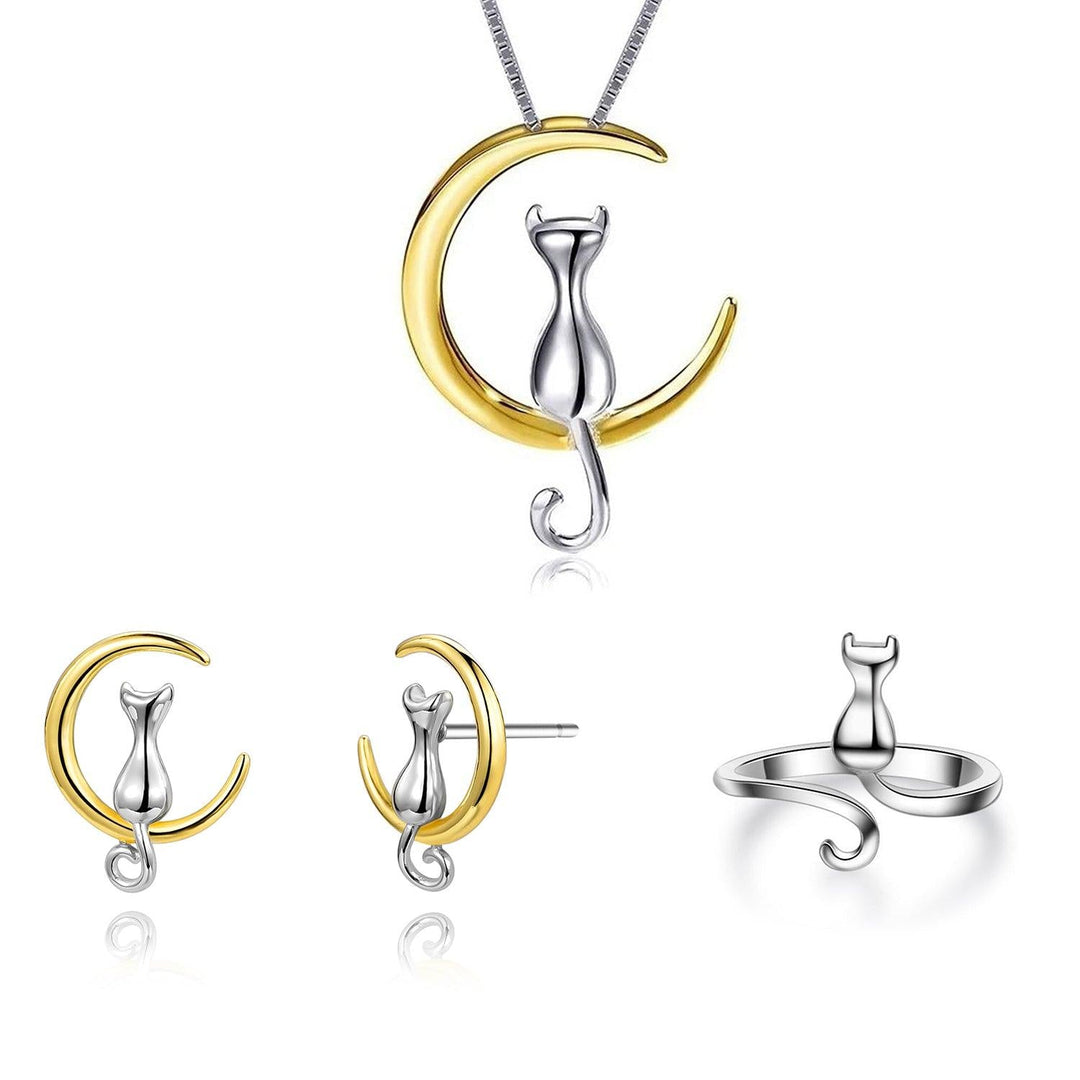
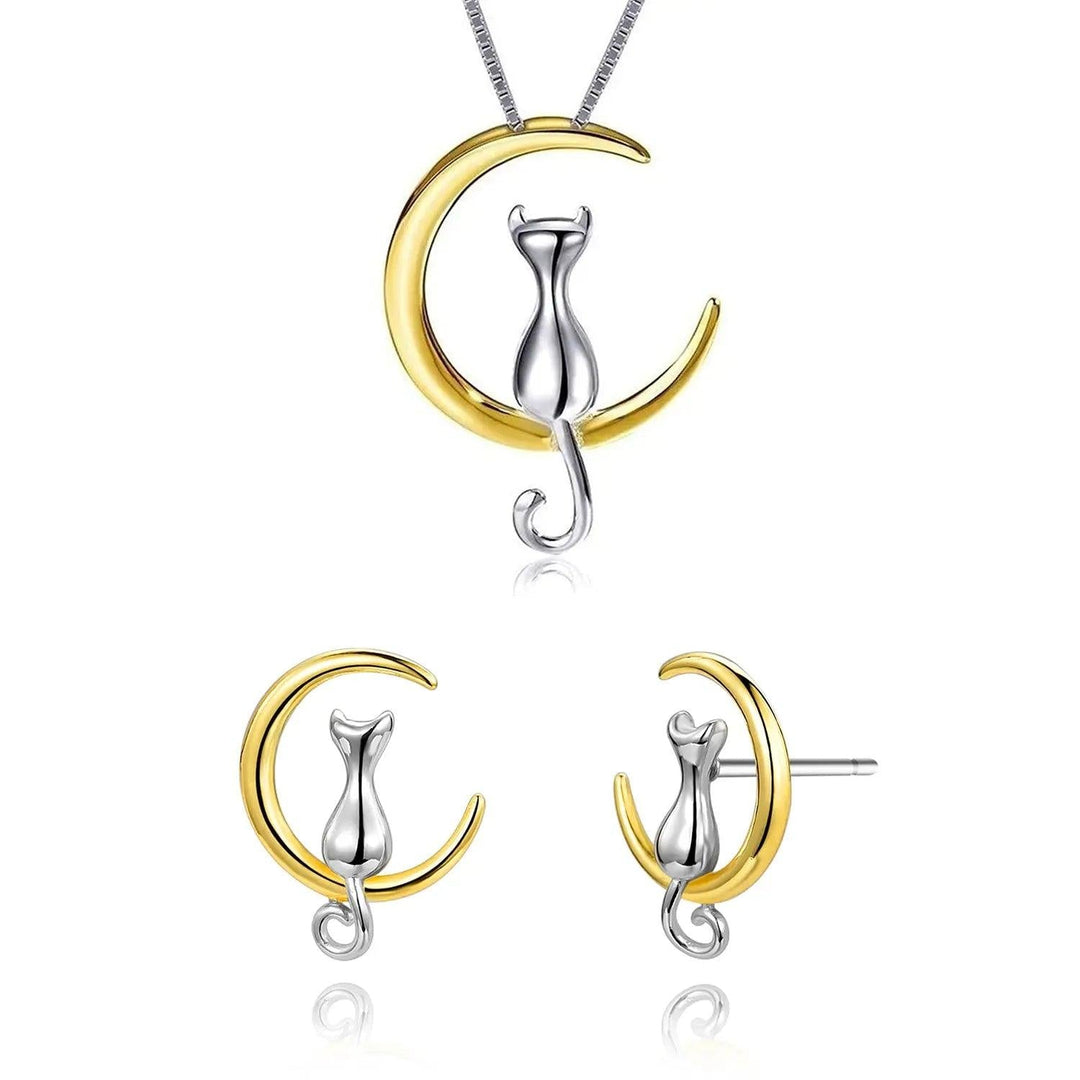
Visit Joyería de plata - Ajustables for adjustable silver pieces or Cat Lovers for themed designs. These collections feature hand‑crafted silver pieces that blend modern design with classic motifs, making them suitable for both everyday wear and special occasions. Each item is accompanied by a detailed description of the metal content, craftsmanship, and care instructions to ensure a satisfying purchase experience.
Where to sell vintage jewelry online?
Platforms like Etsy, eBay, or specialized auction houses. Our team can also offer a direct purchase. When selling online, create a detailed listing that includes high‑quality images taken from multiple angles, a clear description of the era, metal purity, and any hallmark or maker’s mark. Provide information about the condition, any repairs, and the original purchase price if available. By offering transparent documentation, you increase buyer confidence and can often command a higher sale price.
Where to buy vintage jewelry near me?
Search local antique shops or contact Gold Shield for shipping options to the USA. Many local antique shops curate a selection of vintage jewelry that reflects regional styles and historical trends. If you prefer to shop from the comfort of home, Gold Shield offers a curated online selection with detailed provenance information and a shipping guarantee that covers the piece during transit to the United States.
How old is vintage jewelry?
Typically 20–30 years or older. The term “vintage” is generally applied to pieces that are at least two decades old, though the exact threshold can vary by collector and market. Jewelry that is 20–30 years old often reflects the design trends and technological advancements of the late 20th century, while pieces older than 30 years may exhibit more traditional craftsmanship and historical significance.
How to find vintage jewelry?
Explore estate sales, online auctions, and specialty boutiques. Estate sales are a goldmine for well‑documented pieces, while online auctions provide access to a global market of rare items. Specialty boutiques, both physical and online, often curate collections that focus on specific eras, allowing you to discover pieces that match your personal style or collecting goals.
What vintage jewelry is valuable?
Pieces with original settings, high gold purity, and rare gemstones hold higher value. Valuable items often feature hallmark marks that indicate the maker, year, and purity of the metal. Rare gemstones such as blue sapphires, emeralds, or high‑quality pearls can significantly increase a piece’s worth, especially when set in a historically accurate or uniquely crafted setting.
What is vintage jewelry worth?
Value depends on age, condition, metal, and gemstone. 18k gold pieces with original settings can be worth 1.5–2× retail. The final price is also influenced by market demand, rarity, and the presence of any provenance documents. A professional appraisal can provide an accurate estimate based on these factors, ensuring you receive a fair valuation for your piece.
Ready to add a timeless piece to your collection? Contact us via WhatsApp at +1 845 622 6479 for a personalized quote and custom design. Our handmade Mexican jewelry ships directly to the USA with insured delivery.