Alexandrite Color Change: Why It's Rare & How to Choose
In this article we clearly explain what color‑changing alexandrite is, why its ability to shift hues makes it such a special gemstone, and how to choose the best piece at Gold Shield, the Mexican jewelry brand that hand‑crafts solid gold and .925 silver in Mexico.
- Quick recap:
- Alexandrite is a variety of chrysoberyl that changes from green to red depending on the light source.
- Its rarity comes from the presence of copper and iron in its crystal structure.
- Gold Shield offers pieces in 10k, 14k and 18k gold, as well as .925 silver, all with guaranteed karat purity.
- The 3D‑customization process ensures the final piece matches the approved rendering exactly.
- Free shipping to Mexico and the USA with payment in dollars; hypoallergenic pieces and engraving are available.
What is alexandrite and why is its color change so rare?
Alexandrite is a highly prized variety of chrysoberbe (CaAl4Si4O16) that, unlike most of its counterparts, incorporates traces of copper and iron into its crystal structure. These elements act as optical “filters,” causing the gem’s famous ability to shift hue depending on the light source. In natural daylight, such as midday sun, the stone tends to display green tones ranging from emerald to olive green. Under artificial incandescent light, like a tungsten bulb, the same stone reveals reddish tones that can vary from pale pink to crimson red. This phenomenon, known as the “alexandrite effect,” stems from the selective absorption of specific wavelengths in the visible spectrum. It occurs in less than 0.1% of all chrysoberyls mined worldwide, explaining the gem’s reputation as a true “color change” stone.
How does the color change happen?
- In daylight (blue-rich light), the gem predominantly reflects green because copper and iron electrons absorb red and yellow wavelengths, allowing blue and green light to pass through.
- In incandescent light (yellow-rich light), the lower color temperature favors green absorption and red transmission, making the stone appear to shift to reddish hues.
- The intensity of the change depends on the exact concentration of copper and iron, as well as the presence of minor manganese impurities that can amplify or dampen the effect. Higher copper ratios typically produce more dramatic shifts.
- External factors like viewing angle, gem cut, and setting style also influence color perception. A well-cut alexandrite will display the color change more vividly.
Why is alexandrite so rare?
Geologically, alexandrite is found in very few deposits worldwide. The most recognized sources are located in the Ural Mountains (Russia), the Minas Gerais region (Brazil), and certain areas of Madagascar. Each location yields distinct characteristics: the Muruntau mines in the Urals are famous for producing stones with a pronounced color change and exceptional clarity; Minas Gerais tends to offer gems with warmer tones and a greater variety of sizes; while Madagascar yields stones with intermediate colors and sometimes inclusions that add character. According to the Gemological Institute of America (GIA), less than 5% of all mined chrysoberyls achieve the gemological quality required to be considered “precious chrysoberyl,” and of that small group, only about 1% possesses the exact combination of copper, iron, and crystal structure that creates alexandrite. As a result, each stone reaching the market is often a one-of-a-kind piece with its own history.

Alexandrita Natural 0.13ct Cambio de Color Rusia Urales — Ver en Gold Shield →
Where Can I Buy Color-Changing Alexandrite and Why Is It So Rare?
At Gold Shield, the Mexican jewelry brand that hand‑crafts pieces in Mexico, you can purchase certified color‑changing alexandrite with a guaranteed karat and free shipping across the United States. Our supply chain is directly linked to Russian and Brazilian producers, allowing us to offer GIA‑certified gems with origin reports and no middlemen. Each piece is created using a 3D design process that ensures the final product matches the client‑approved render, eliminating sizing or assembly errors and guaranteeing maximum accuracy in the color‑change presentation.
Why Buy From Gold Shield?
- Factory‑direct pricing—cheaper than brick‑and‑mortar stores because we avoid rent and traditional sales staff costs.
- Wide metal selection: solid 10k, 14k, and 18k gold; .925 silver; plus moissanite and other certified natural gems, letting you pair alexandrite with the metal that best highlights its optical effect.
- Custom engraving of names/dates available on the piece, perfect for personalized gifts like engagement rings or commemorative necklaces.
- Free shipping to the U.S. and Mexico with payment in dollars, specialized packaging that protects the gem during transit, and real‑time tracking.
- Hypoallergenic fine gold and silver, nickel‑free, suitable for sensitive skin and daily wear without irritation.
- 30‑day return policy and authenticity guarantee that includes the original GIA certificate.
How the Buying and Customization Process Works
The customer starts by selecting the alexandrite that appeals most—whether by size, color‑change grade, or clarity. Then they choose the metal and desired design in our interactive 3D configurator, where they can rotate the piece, change the finish, and add details like engravings. Once the digital render is approved, our artisans in Mexico’s workshop carve the gem, cast the metal, and hand‑assemble the piece, adhering to ISO 9001 quality standards. The final jewel matches 100 % the visual representation shown to the customer, ensuring the alexandrite’s color change appears exactly as promised.
What types and varieties of alexandrite are available?
Alexandrite is classified by its degree of color change, internal clarity, and tone intensity. Each category impacts value, recommended use, and care. Below are the most common grades and their practical characteristics, with examples of how they can be paired in jewelry designs.
What is high‑grade alexandrite?
- Strongest color change (green to deep red) visible even under fluorescent lighting; perfect for pieces worn in varied settings, such as engagement rings that transition from day to night.
- Superior clarity with no visible inclusions to the naked eye and no internal fractures, allowing a polish that maximizes sparkle and color depth.
- Higher price reflects its rarity and demand in fine‑jewelry markets.
- Example: a cabochon pendant that displays the color shift on the front while the chain is in natural light.
What is medium‑grade alexandrite?
- Moderate color change, most noticeable under natural or incandescent light but less evident under cool LED lighting.
- Contains minor inclusions—tiny bubbles or spinel crystals—that are visible under 10× magnification but don’t affect overall appearance.
- Mid‑range price offers good value for buyers who want the color‑change experience without the cost of top‑grade stones.
- Example: a signet ring set with three stones, pairing medium‑grade alexandrite with white diamonds for contrast.
What is low‑grade alexandrite?
- Subtle color change, often limited to greenish tones that only faintly turn pink under incandescent light; suitable for casual or fashion pieces where the effect is a subtle detail.
- More inclusions, including visible fractures or clouded areas, which can be used as “points of interest” in artistic designs.
- More affordable price lets shoppers experiment with alexandrite without a large upfront investment.
- Example: a chain bracelet set with several low‑grade alexandrite stones, creating a gentle “color‑shift” effect along the wrist.
What materials and quality standards does Gold Shield use for Alexandrite pieces?
At Gold Shield, we recognize that Alexandrite is a high-demand gemstone both technically and aesthetically. That’s why we only pair its rarity with high-grade, jewelry-grade precious metals. We use solid gold in 10k, 14k, and 18k karats, as well as sterling .925 silver, all subjected to rigorous quality controls in our Mexican workshops. Choosing the right metal isn’t just about looks; it’s about protecting and preserving the gem. Solid gold offers superior resistance to corrosion and daily wear, ensuring the setting maintains its structural integrity for years to come. Additionally, each piece is finished with hand-polished or matte textures depending on the design, maximizing the contrast with the stone’s color change. The precise combination of pure metal and certified gemstone guarantees you’re investing in a piece of Mexican jewelry that retains its intrinsic value and visual beauty without compromise.
Guaranteed Karat Purity
Metal purity is a critical factor for the longevity of your jewelry. At Gold Shield, every piece is stamped with its actual karat rating, ensuring total transparency regarding the alloy composition. This allows you to understand exactly how much pure gold or silver you are buying and how it impacts the piece’s durability and brilliance.
- 10k Gold: Contains 41.7% pure gold. It is the most resistant to scratching and the most affordable option, ideal for heavy daily wear, especially in engagement rings or pieces that face frequent contact.
- 14k Gold: With 58.5% pure gold, it offers the perfect balance between durability and intense golden color. It is the industry standard for fine jewelry worn daily, providing adequate strength without sacrificing too much shine.
- 18k Gold: Composed of 75% pure gold, this alloy presents a warmer, more saturated gold tone. It is preferred for luxury pieces and celebrations because the metal’s color doesn’t interfere with the Alexandrite’s color spectrum, enhancing its optical effect.
- Sterling .925 Silver: Contains 92.5% pure silver. It is a classic, accessible option that complements the green and reddish tones of Alexandrite well, though it requires more frequent polishing to prevent natural oxidation.
Gemstone Certification
Since natural Alexandrite is extremely rare and the market is full of imitations or treated stones, authenticity is paramount. At Gold Shield, all our Alexandrite gemstones come with certificates from internationally recognized gemological laboratories, such as the GIA (Gemological Institute of America) or IGI (International Gemological Institute). These documents detail not only the mineral identification but also the grade of color change, the presence of inclusions, and the absence of thermal or chemical treatments. Having this certificate not only validates the stone’s authenticity but also protects your investment by providing a verifiable document that increases the piece’s liquidity in the future. We individually review each certificate to ensure it matches the gemstone set in your jewelry.

Alejandrita Verde Natural 0.39ct Marquesa (Alexandrita) — View at Gold Shield →
How Do I Pick the Best Alexandrite for My Jewelry?
Choosing an alexandrite is a skill‑based process that requires an expert eye, because tiny variations in the stone can dramatically affect its value and look. Not all gems are the same; the “color‑change effect” is the most sought‑after attribute, but clarity and cut also play crucial roles. At Gold Shield, our team will help you balance your budget with optimal quality. Below we break down the key factors you should consider to make an informed and secure decision, ensuring your piece reflects both your personal style and technical excellence.
What Does “Color‑Change Grade” Mean?
The hallmark of alexandrite is its pleochroism—its ability to show different colors under different light sources. Under incandescent or sunset lighting, it tends to display reddish, pink, or violet tones, while under natural or fluorescent light it appears green or bluish‑green.
- High Color Change: Stones that show a sharp, vibrant contrast between red and green are the most coveted and valuable. This type of alexandrite offers a dynamic visual show that shifts dramatically with the environment, justifying a higher investment.
- Low Color Change: Some stones have a more subtle shift or tend to a uniform green with only a faint pink tint under warm light. These options are more affordable and are perfect if you prefer a stone that looks green most of the time while still maintaining the species’ authenticity.
How Do Clarity and Size Affect Value?
Unlike other diamonds, where “inclusion‑free” is the highest standard, alexandrite commonly contains internal inclusions. However, the quality of those inclusions matters: they should be minimal so they don’t darken the gem or interrupt the light flow that creates the color change. A gem with higher clarity (VS or SI in gemological terms) allows light to penetrate more deeply, intensifying the colors. Regarding size, large alexandrites are rare; therefore, a stone of 0.50 carats or more with good clarity is a collector’s piece. Always check the certificate to know the exact clarity grade and whether inclusions are visible to the naked eye or only under magnification.
Which Metal and Finish Best Show Off Alexandrite?
The metal choice not only defines the style but also influences how you perceive the gem’s color. 18k yellow gold creates a warm contrast that highlights the reddish tones of alexandrite under warm light, while white gold or platinum (though not listed in the table, it’s a common fine‑jewelry option) can enhance the cool green hues. At Gold Shield, we offer mirror‑polished finishes to maximize shine and reflections, or satin finishes for a more contemporary, understated look. 10k gold is a practical choice for everyday rings due to its hardness, while 18k gold is ideal for pendants and earrings where deep gold tones complement the gem’s elegance. .925 silver is excellent for statement pieces that aim for a classic, versatile look that suits any skin tone.
What factors affect the price of color‑change alexandrite?
The price of an alexandrite piece isn’t random; it reflects a precise mix of gemological and craftsmanship factors. Unlike common semi‑precious stones, alexandrite is a true gemstone, and its scarcity on the global market directly influences its cost. At Gold Shield we practice full transparency so you know exactly what you’re paying for: the certified gem, the precious metal, the intricacy of the handcrafted work, and the exclusivity of the design. Below we break down how each variable contributes to the final value of your piece, helping you compare options objectively.
Price and carat comparison chart
The table below shows how metal carat weight and gem quality impact price ranges in our collection. These are approximate ranges that vary with the specific size of the alexandrite, its clarity, and the particular setting design. Pieces with higher‑carat gems and superior color change will sit at the top end of these ranges.
| Metal | Carat % | Approximate price (MXN) |
|---|---|---|
| 10k Gold | 41.7 % | 15 000 – 25 000 |
| 14k Gold | 58.5 % | 25 000 – 35 000 |
| 18k Gold | 75 % | 35 000 – 50 000 |
| .925 Silver | 92.5 % | 10 000 – 20 000 |
Note: The final price also depends on the total weight of the piece and the complexity of the workshop work. High‑end jewelry with intricate designs can exceed these base ranges.
What are the best design and customization options at Gold Shield?
At Gold Shield, we believe your jewelry should tell your story. That’s why we don’t just sell gemstones; we offer a personalized design experience where you can tailor each piece to your lifestyle and aesthetic preferences. Our design team uses 3D technology to visualize every detail before fabrication, ensuring the proportion between the alexandrite and the setting is perfect. Whether you’re looking for high jewelry for a special occasion or a versatile piece for everyday wear, we have options that blend Mexican jewelry traditions with contemporary design techniques.
Classic designs
Classic designs never go out of style and are the ideal choice for those seeking timeless elegance. These pieces are designed to be passed down and enjoyed for generations, maintaining a clean and sophisticated silhouette.
- Alexandrite pendant necklaces: A solo design that lets the gem be the star. The setting is usually minimal (claw setting) to maximize light entry and color change. Perfect for wearing alone or layered.
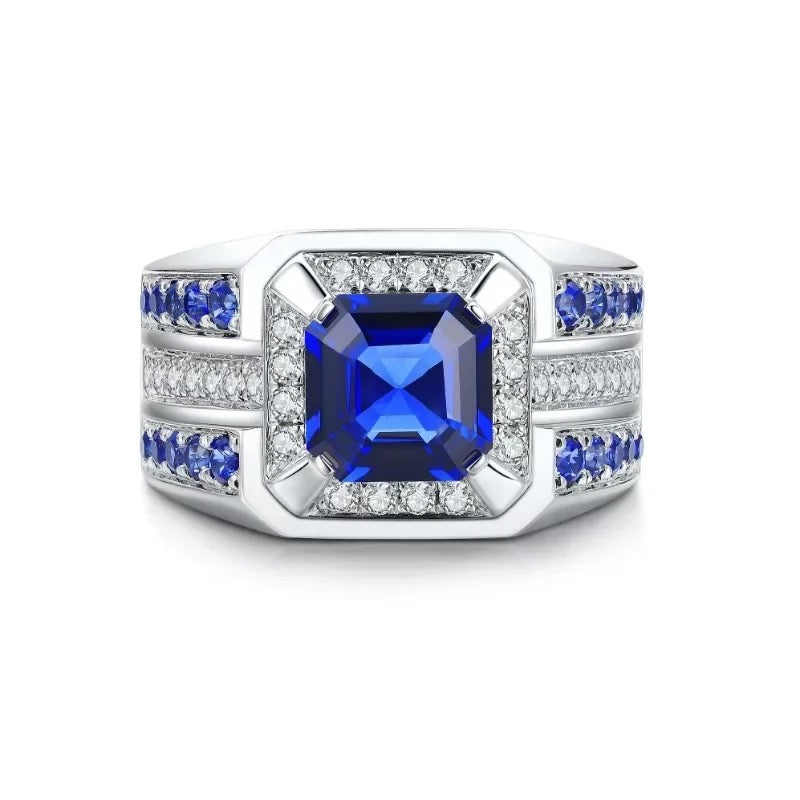
- Double-stone ring designs: Also known as "halo" or "trilogy," these designs incorporate secondary stones (like moissanite or sapphire) around the central alexandrite. This not only increases the visual size of the piece but creates a brilliant contrast that highlights the main gem's color.
- Minimalist-style earrings: Delicate designs, often in drop or button shapes, that are comfortable for daily use. Their lightness makes them perfect for those who prefer subtle jewelry with a hint of color.
Modern designs
For clients who want to stand out, we offer contemporary design lines that play with shape, texture, and material combinations. These pieces are bold and reflect an avant-garde attitude.
- Jewelry with asymmetric geometry: Settings that break traditional symmetry, creating a dynamic visual effect. These unique designs feel like portable works of art.
- Pair alexandrite with moissanite: The unmatched brilliance of moissanite contrasts beautifully with the color change of alexandrite. This combination is popular in modern engagement rings and high-impact earrings.
- Chain designs with engraved details: Chains with special links or medallions that integrate the gem into the chain design itself. Laser engraving allows for textures and patterns that capture light in interesting ways.
Personalized engraving
Personalization is the final step to making the jewelry truly yours. At Gold Shield, we offer hand and laser engraving services on the inside of rings, brooches, or pendants. You can include names, initials, important dates, or meaningful messages in gold or silver. This intimate detail not only personalizes the piece but also makes it a more memorable and emotional gift, ideal for anniversaries, birthdays, or personal celebrations. The engraving is done with millimeter precision to avoid damaging the structural integrity of the jewelry, ensuring the message remains legible for years.

Alejandrita Verde Natural 0.59ct Cojín (Alexandrita) — Ver en Gold Shield →
How do I care for and keep a alexandrite jewelry piece?
Alexandrite is a delicate gemstone that requires special care to maintain its brilliance and its fascinating color change. Because the stone reacts to light and acids, it’s essential to follow a maintenance routine that includes proper storage, gentle cleaning, and protection from prolonged exposure to direct light.
What’s the best way to store alexandrite jewelry?
- Keep each piece in a separate box, preferably with padded compartments to avoid bumps and scratches that could damage the gemstone’s surface.
- Avoid contact with chemicals such as perfumes, lotions, or household cleaners that might react with the alexandrite’s surface and alter its color or luster.
- Store the pieces in a cool, dry place away from humidity that can cause stains or fading.
- For jewelry with delicate stones, use soft fabric pouches or microfiber-lined inner pockets to protect the gem from friction.
How should I clean alexandrite jewelry?
- Use lukewarm water and a gentle soap, preferably a fragrance‑free, color‑free neutral detergent, to wipe the piece with a microfiber cloth.
- Avoid abrasive cleaners like toothpaste, steel wool, or alcohol‑based solutions, as they can scratch the surface and affect the stone’s clarity.
- For a deeper clean, you can soak the jewelry in a solution of lukewarm water and a little liquid soap, let it sit for a few minutes, then rinse with running water and dry with a clean cloth.
- Periodically inspect the piece for signs of metal wear or stone setting damage, and if you notice any issues, consult a professional for repair.
Should I worry about light exposure on alexandrite?
Prolonged exposure to direct light, especially intense sunlight, can affect alexandrite’s color change, causing the stone to lose some of its vibrancy. To preserve its look, keep the piece in a shaded spot when not in use, and avoid leaving it out in the sun for extended periods. When light is unavoidable, use protective sleeves or opaque coasters to reduce light intensity.
When is it ideal to gift alexandrite jewelry?
Alexandrite makes a perfect gift for:
- Retirements and anniversaries, where the dual colors symbolize the passage of time and the evolution of a relationship.
- 25th birthday celebrations, because that age marks a transition point and the stone reflects that transformation.
- Luxury events and special celebrations, such as gala dinners or high‑end weddings, where alexandrite’s elegance complements any attire.
- Corporate recognitions or performance awards, where the stone conveys a message of excellence and distinction.
- Reunion or reconnection gifts, as the color change can be seen as a renewal of bonds between people.
What are common mistakes when buying an alexandrite?
Some shoppers make errors that can affect a piece’s quality and value.
Skipping the lab report
Always ask for a laboratory certificate, preferably from well‑known labs like GIA or IGI, which verify the stone’s authenticity and quality. The report should list the color description, clarity grade, and origin of the gem.
Not thinking about the metal
The metal choice impacts durability and price. Yellow gold and white gold are popular, while platinum offers superior corrosion resistance. Metal also influences the temperature the stone can tolerate, which matters for preserving the color‑change effect.
Buying without knowing the source
Origin can affect both authenticity and value. Make sure the alexandrite’s source is transparent and that the seller provides a mining history, especially if the stone comes from Russia, the world’s largest producer.
Overlooking stone treatments
Some alexandrites receive coating or polishing treatments to enhance appearance. Confirm whether the stone has been treated and, if so, ask about the treatment’s lifespan and whether it may degrade over time.
How does alexandrite compare to other gemstones?
Comparing alexandrite with other stones helps you decide. The table below highlights key differences.
| Gemstone | Color | Durability (Mohs) | Average price (MXN) |
|---|---|---|---|
| Alexandrite | Green/Red | 7.5 | 20 000 – 50 000 |
| Ruby | Red | 9 | 30 000 – 70 000 |
| Emerald | Green | 7.5 | 15 000 – 40 000 |
| Diamond | Colorless | 10 | 50 000 – 150 000 |
Beyond the numbers, think about how you’ll wear the stone: ruby resists scratches better, while alexandrite offers a unique visual experience. Emeralds can have inclusions that affect clarity, and diamonds, though colorless, require special care to maintain their sparkle.
Frequently asked questions
Is the alexandrite natural or synthetic?
Gold Shield’s alexandrite is 100 % natural and comes with a certificate from a recognized lab detailing its origin and optical properties.
Can I choose how dramatic the color change is?
We can source high‑grade or mid‑grade stones based on your preference. High‑grade stones show a pronounced shift from green to red, while mid‑grade stones provide a softer, more elegant transition.
What’s the carat‑weight guarantee?
All our metals are backed by a carat‑weight guarantee and are lab‑verified. If there’s any discrepancy, we’ll re‑inspect and correct the piece at no extra cost.
How does shipping to the USA work?
We ship to the USA with payment in dollars through Gold Shield LLC. Certified carriers handle each order, and every shipment is insured for the full value of the piece.
What engraving options are available?
We offer laser engraving of names, dates or messages in gold or silver. The high‑precision laser ensures a permanent design that doesn’t affect the stone’s integrity.
How long does production take?
Our 3D‑plus‑hand‑crafted process typically takes 10‑15 business days. This includes stone selection, ring design, base fabrication, engraving and final inspection.
If you’re looking for a one‑of‑a‑kind alexandrite piece, message us on WhatsApp at +1 845 622 6479 and get a custom quote today.