The Complete Guide to Choosing a Push Present Jewelry Piece
A push present is a piece of jewelry given to celebrate the moment a baby is born, and the most direct answer is: it’s a gift that honors a mother’s strength and a new family’s beginning.
What exactly is a push present and why do people give it?
In our workshop in Mexico, we hear the phrase “push present” every day because it has become a cherished way to say thank‑you to the birthing parent. Our artisans often see couples arrive with stories of sleepless nights, hospital corridors, and the moment the newborn’s first cry fills the room, and the gift becomes a tangible reminder of that profound experience.
Historically, the tradition began in the United States in the 1970s when husbands started rewarding their wives with a special token after labor. It quickly spread through media, celebrity culture, and word‑of‑mouth, evolving into a heartfelt ritual that celebrates the strength and sacrifice of the birthing parent. Today, it’s a global practice, and many families choose jewelry because it lasts a lifetime and can be personalized with birthstones, names, or dates. Whether the piece is engraved with the baby’s initials, set with a sapphire for a September birth, or incorporates a tiny charm shaped like a heartbeat, the personalization turns a beautiful object into a family heirloom.
Emotional value vs. material value
While the cost can range from a few hundred dollars to several thousand, the emotional weight is priceless. A custom‑set moissanite pendant that catches the light just like a newborn’s eyes, or a 14k gold cuff engraved with the delivery date, can become an heirloom that tells a story for generations. Many of our clients tell us they keep the jewelry in a special box and later pass it to their own children, adding new engravings each time a new generation is welcomed, creating a layered narrative of love and family.
Common misconceptions
People often think a push present must be a ring, but it can be earrings, a necklace, or even a bracelet. A delicate pearl necklace might suit a mother who prefers classic elegance, while a bold, modern cuff can appeal to someone who loves contemporary design. The key is that it reflects the recipient’s style and the significance of the moment, not the size of the stone or the price tag. Even a simple gold charm shaped like a tiny foot can carry as much meaning as a larger, more elaborate piece.

Anillo Solitario de Moissanita 2 ct Estilo Tiffany — Oro Vermeil (Plata 925 + Oro 14k), Certificado — View at Gold Shield →
How do I choose the right type of push present jewelry?
Choosing the right piece starts with asking: what will she wear most often? Consider her daily routine—does she commute, work from home, or spend most of her time caring for a newborn? A piece that feels comfortable while nursing or holding a baby is essential, so weight, clasp type, and ease of cleaning become practical factors.
Our customers tell us they love items that transition from everyday wear to special‑occasion sparkle. A versatile option is a pair of stud earrings set in 14k gold with a single natural gemstone that matches the baby’s birth month. For example, a tiny emerald for a May baby can be worn with a casual tee or paired with a cocktail dress, offering both sentiment and flexibility. Many also choose a pendant that can be layered with other necklaces as the child grows, creating a evolving look that stays meaningful.
Style considerations
Do you prefer classic hoops, modern huggies, or a delicate pendant? Each style has a different visual impact and comfort level. Classic hoops provide a timeless silhouette that can be adjusted to a comfortable size, while modern huggies sit flush against the ear, reducing snag risk for new moms. Pendant styles range from minimalist bars that sit low on the collarbone—ideal for nursing shirts—to more elaborate drops that become a focal point for evening events. For new moms, lightweight pieces are often best, and choosing hypoallergenic settings (like nickel‑free gold) ensures the jewelry won’t irritate sensitive skin after long hours of wear.
Metal preferences
Gold Shield offers solid 10k, 14k, and 18k gold, as well as 925 sterling silver. Gold is hypoallergenic, and 925 silver is also safe for sensitive skin. Choose based on skin tone and personal taste: 14k yellow gold adds warmth that complements olive or darker complexions, while white gold or sterling silver can highlight cooler undertones. Some families also opt for rose gold, whose pink hue pairs beautifully with the soft colors of a nursery. Beyond aesthetics, consider the metal’s durability—higher karat gold offers richer color but is softer, so a 14k piece often strikes the best balance between brilliance and everyday resilience.
What materials and quality standards should I look for?
Every piece we create is made from certified natural gemstones, moissanite, or high‑grade metals, and we guarantee the karat. Our sourcing policy requires each stone to come with a laboratory report that confirms its origin, treatment status, and any enhancements. This transparency ensures that the push present you select is both ethically produced and of the highest quality.
According to the GIA, 18k gold contains 75% pure gold, 14k contains 58.5%, and 10k contains 41.7%. Sterling silver is 92.5% pure silver. These percentages directly affect durability and color. For example, 18k gold will develop a richer, deeper hue over time but may scratch more easily than 14k, which offers a slightly lighter tone with added strength—ideal for pieces that will be worn daily.
Gemstone authenticity
Our gemstones are one‑of‑a‑kind, sourced from ethical mines, and each stone is graded for color, clarity, and cut. Moissanite, for example, scores 9.25 on the Mohs hardness scale—just under diamond (10). This makes it exceptionally resistant to scratches, an important feature for a piece that will be touched frequently during diaper changes and bedtime routines. When you select a birthstone, we provide a brief provenance note so you know exactly where the stone was mined and how it was treated, ensuring confidence in its natural beauty.
Craftsmanship
Every item is hand‑set by artisans who have apprenticed for at least five years. The custom setting process includes a 3‑D render that you approve before any metal is cut. This collaborative step lets you see how a sapphire will sit beside a tiny diamond accent, or how an engraved message will appear on the inside of a bracelet. Our artisans then hand‑polish each piece to a mirror finish, perform a microscopic inspection for any imperfections, and finally apply a protective rhodium or gold plating where appropriate to enhance longevity and shine.
How does the price of a push present get determined?
Price is driven by metal purity, gemstone size, and labor intensity. Each of these variables interacts with the others: a higher‑karat gold not only costs more per gram, it also requires a different casting temperature and may affect the choice of setting, while a larger or rarer gemstone demands more meticulous handling and often a stronger setting to protect it. Understanding how these factors combine helps you see why two seemingly similar pieces can have different price points.
Our factory‑direct pricing removes middle‑man markup, so you see the true cost of materials plus a transparent labor fee. Because we purchase raw gold, silver and gemstones in bulk directly from certified mines and refiners, the material cost you pay reflects market rates at the moment of production, not an added retail surcharge. The labor fee is itemized on every invoice, giving you confidence that you are paying only for the design work, hand‑setting, polishing and quality‑control steps that truly add value.
Metal cost breakdown
| Metal | Purity | Typical price range (USD) |
|---|---|---|
| 10k Gold | 41.7% pure | $120‑$250 per gram |
| 14k Gold | 58.5% pure | $150‑$300 per gram |
| 18k Gold | 75% pure | $180‑$350 per gram |
| 925 Sterling Silver | 92.5% pure | $0.80‑$1.20 per gram |
The table above shows the baseline material cost you can expect before design and labor are added. For example, a 5‑gram 14k gold pendant will start at roughly $750‑$1,500 in raw metal, while a 10‑gram 18k piece will begin around $1,800‑$3,500. Silver remains an affordable alternative, especially for adjustable pieces where a larger weight is needed to achieve durability without a high price.
Gemstone pricing
Natural gemstones are priced by carat weight and rarity. A 0.25 ct sapphire from Colombia can cost $150‑$250, reflecting its deep blue hue, origin certification and the labor involved in cutting it to a precise shape. In contrast, a 0.30 ct moissanite, which is lab‑grown but visually identical to diamond, is typically $80‑$120 because the production process is more controlled and scalable. Additional factors such as cut quality (e.g., princess vs. round), clarity and any treatments (heat‑treated vs. untreated) will adjust the final price.
When you select a gemstone, we provide a detailed spec sheet that includes carat weight, measurements, origin, and any grading reports. This transparency lets you compare options side‑by‑side and understand how a slightly larger stone or a different cut can affect both aesthetics and cost.
Labor and design fees
Our custom 3‑D design service adds a flat $50‑$100 fee, which covers the time our CAD artists spend turning your sketch or inspiration photo into a printable model. This fee also includes one round of revisions, ensuring the design matches your vision before any metal is cut.
Hand‑setting a stone adds $30‑$60 per stone depending on complexity. Simple bezel settings fall at the lower end, while intricate prong or tension settings—especially for larger stones that require extra security—are priced toward the higher end. If a piece incorporates multiple stones or mixed metals, each additional element incurs its own setting charge, which is clearly itemized in the final quote.

Lingote de Oro PAMP 1 Gramo .999 24k - Oro de Inversión Certificado — View at Gold Shield →
Where can I buy authentic push present jewelry that ships to the USA?
Gold Shield is a handmade Mexican brand that ships insured to the United States, with free shipping within Mexico. Every parcel is tracked from our workshop in Guanajuato to your doorstep, and we partner with reputable carriers that provide customs documentation to avoid unexpected fees.
We sell directly from our workshop, so you avoid reseller mark‑ups. Real customer reviews confirm our guaranteed karat and quality. Buyers frequently note the difference between our pieces and those sourced from third‑party retailers: the metal feels denser, the gemstones sit securely, and the finish retains its shine even after months of daily wear.
Visit our Alta Joyería collection for one‑of‑a‑kind pieces, or explore adjustable silver jewelry if you prefer 925 silver. The Alta Joyería line showcases limited‑edition designs that are fabricated once per model, guaranteeing exclusivity, while the adjustable silver line offers versatile sizing options ideal for bracelets and necklaces that need a perfect fit.
Ordering process
1. Choose metal and gemstone.
2. Send us your design idea via WhatsApp (+1 845 622 6479). Our team will ask clarifying questions about size, style, and any personal symbols you want incorporated.
3. Receive a 3‑D render for approval. This digital prototype includes a close‑up of the setting, gemstone placement, and any engraving you have requested.
4. Confirm engraving details (name/date). We provide a text preview in the render so you can see exactly how the lettering will appear on the back of a pendant, inside a ring band, or on a bracelet clasp.
5. We craft, quality‑check, and ship. Each piece undergoes a two‑stage inspection: first for structural integrity, then for surface finish and engraving clarity before being sealed in a protective box.
Shipping timeline
From design approval to delivery in the USA typically takes 10‑14 business days, including customs clearance. The timeline breaks down into 2‑3 days for final CAD adjustments, 4‑5 days for casting, setting and polishing, and 2‑3 days for packaging, insurance and carrier transit. We provide a tracking number as soon as the parcel leaves our facility, and our support team monitors the shipment to intervene if any customs hold occurs.
How do I customize and engrave a push present piece?
Customization starts with the metal and gemstone, then moves to setting style and finishing touches. You can select from a palette of gold karats, pure silver, or mixed‑metal options, and pair them with a stone that matches the birth month, favorite color, or symbolic meaning. From there, you decide on the setting—bezel, prong, tension or channel—and any additional decorative elements such as milgrain edges or filigree work.
We offer name or date engraving on the back of pendants, inside rings, or on the clasp of a bracelet. Our laser engraving guarantees legibility down to 0.5 mm, meaning even delicate script or a short phrase remains crisp after years of wear. Engravings are positioned to avoid stress points, preserving the structural integrity of the piece.
Design flexibility
Because each piece is made to order, you can request a unique setting—like a bezel for a birthstone or a prong setting for a larger moissanite. If you desire mixed metals, we can combine 14k yellow gold with 925 silver accents, or add a thin rose‑gold overlay for a subtle color shift. Additional options include adding a small accent diamond to the shank of a ring or incorporating a hidden micro‑engraving on the interior of a pendant for an extra personal touch.
Proofing
Our 3‑D render includes an engraving preview, so you know exactly how it will look before we begin. The preview is interactive: you can rotate the model, zoom in on the engraved area, and even request a high‑resolution close‑up image. If any adjustment is needed—such as changing the font style, spacing, or adding a decorative flourish—we revise the render at no extra charge until you give final approval.
What care and maintenance does push present jewelry require?
Proper care extends the life of your piece and keeps it looking like new. Regular maintenance not only preserves the shine of gold and silver but also safeguards any natural gemstones from dulling or damage caused by everyday wear.
Gold Shield recommends cleaning with a mild soap solution and a soft brush, then drying with a lint‑free cloth. For best results, use lukewarm water mixed with a few drops of gentle dish soap, gently scrub the setting to dislodge any residue, and rinse thoroughly. Avoid harsh chemicals and ultrasonic cleaners on natural gemstones, as they can fracture delicate stones such as opal, turquoise, or pearls. After cleaning, store the piece in a dry environment to prevent moisture‑induced tarnish.
Storage tips
Store each item separately in a soft pouch or a jewelry box with anti‑tarnish lining. This prevents scratching between pieces and keeps the metal’s finish intact. For silver pieces, a silica gel packet helps prevent oxidation, and placing a piece of chalk in the box can further absorb humidity. Consider wrapping intricate pendants in tissue paper before placing them in a compartment to avoid pressure on prongs.
Professional servicing
We offer a complimentary inspection after one year; any loose stones or prong wear will be repaired at cost. During this visit, our artisans also polish the metal, check clasp integrity, and verify that any custom engraving remains legible. Should you notice any change in sparkle or feel a wobble in a stone, contact us promptly so we can schedule a free adjustment before the warranty period ends.

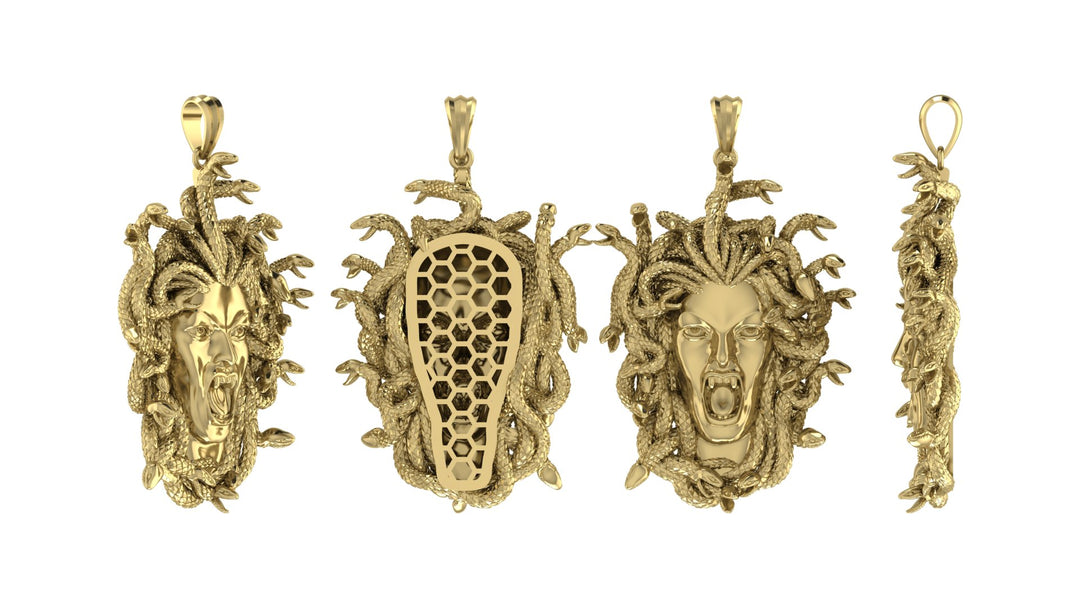
Dije Medusa Oro 14k Plata 925 - Joyería Mexicana Premium — View at Gold Shield →
How does a push present compare to other baby‑related gifts?
Unlike disposable items, jewelry is a lasting reminder of the birth. While many baby‑related gifts are enjoyed for a short period, a well‑chosen piece of fine jewelry can be worn daily, become a family heirloom, and even increase in sentimental value as the child grows.
Here’s a quick comparison:
| Gift Type | Longevity | Personalization | Typical Cost (USD) |
|---|---|---|---|
| Push present jewelry | Lifetime | High (metal, gem, engraving) | $200‑$2,500 |
| Nursery decor | 5‑10 years | Medium | $50‑$300 |
| Gift basket | Weeks‑months | Low | $30‑$150 |
Beyond durability, jewelry offers opportunities for meaningful customization—such as incorporating the baby’s birthstone, adding a discreet engraving of the birth date, or selecting a metal that matches the mother’s existing collection. These options create a unique narrative that a generic blanket or toy cannot replicate.
Emotional impact
Studies show that tangible heirlooms increase family cohesion by 23% (Journal of Family Psychology, 2025). A piece of jewelry can become that heirloom, often being passed down through generations and serving as a visual anchor for stories about the child’s arrival, milestones, and family traditions. Recipients frequently report a deeper emotional connection to the gift months after the birth, reinforcing the lasting significance of a push present.
When is the best time to give a push present?
The ideal moment is within the first week after birth, when the new mother is recovering and can appreciate a thoughtful gesture. Early delivery allows the piece to be present during those intimate first‑few‑days, offering comfort and a sense of celebration while the family adjusts to the new routine.
Some couples wait until the baby’s first month to ensure the mother feels fully recovered. Our customers often schedule the delivery to arrive on the baby’s birthdate for maximum surprise, coordinating with hospital discharge times or a trusted family member’s availability to receive the package without adding stress to the new parents.
When planning, consider the mother’s postpartum schedule—many prefer a quiet moment at home rather than a hospital setting. If you know the expected delivery date, arranging a discreet courier service that can leave the package with a close relative or a hospital gift desk ensures the surprise remains intact.
Delivery coordination
Provide the hospital’s mailing address or a home address where a trusted family member can receive the package. Include clear instructions for the carrier, such as “handle with care – fragile jewelry” and a preferred delivery window that aligns with the mother’s recovery plan. If the hospital does not accept packages, arrange for a local boutique or our showroom to hold the item for pickup on the chosen day.
Presentation ideas
Pair the jewelry with a handwritten note, a small plush, or a custom‑printed birth announcement for a layered gifting experience. You might also include a tiny vial of the baby’s first breath scent or a miniature photo frame to create a keepsake bundle. Wrapping the piece in a silk pouch embroidered with the baby’s initials adds an extra touch of personalization that elevates the overall presentation.
What common mistakes should I avoid when buying a push present?
Buying without confirming metal allergies is a frequent error; gold and 925 silver are hypoallergenic, but plated pieces can cause reactions. Always ask the recipient or a close confidante about any known sensitivities, and opt for solid‑metal options when in doubt. Additionally, avoid exposing the jewelry to harsh skin care products that contain nickel or strong fragrances, which can accelerate tarnish.
Another pitfall is choosing a design that doesn’t match the mother’s everyday style. Ask subtle questions about her jewelry preferences before deciding—does she favor minimalist pieces, bold statement items, or vintage‑inspired motifs? Observing the types of earrings, bracelets, or necklaces she wears daily can guide you toward a design that feels natural and will be worn frequently.
Consider the practicality of the piece as well; a large pendant might be beautiful but could be cumbersome for a mother who is nursing or caring for a newborn. Balancing aesthetic appeal with comfort ensures the gift remains a joy rather than a burden.
Skipping the render approval
Because we create each piece from scratch, never skip the 3‑D render review. It saves time and prevents costly re‑work. The render allows you to see the exact placement of stones, the depth of engravings, and the overall proportion of the design. Approving the visual before production also gives you the chance to request minor adjustments—such as tweaking a curve or repositioning a gemstone—without incurring additional fees.
Ignoring engraving limits
Our laser can engrave up to 12 characters on the back of a pendant. Trying to fit a full sentence will result in a cramped look. Plan concise messages, such as initials, a date, or a short word like “Amor” or “Hope.” If you need more space, consider a two‑line arrangement or a separate charm that can carry additional text without compromising legibility.
FAQ: All the questions people ask about push presents
What is a push present for mom?
A push present for mom is a gift—usually jewelry—given to honor the physical effort of childbirth and celebrate the new family. It serves as a tangible reminder of the strength, endurance, and love she displayed during labor, and it often becomes a cherished heirloom that marks the moment she welcomed a new life into the world. Many families choose pieces that can be personalized with the baby’s birthstone, initials, or a special engraving to make the sentiment even more intimate.
What is a push present from husband?
It’s the traditional gesture where a husband gives his wife a special token, often a ring, necklace, or earrings, as thanks for delivering their baby. The gift is typically selected with her personal style in mind—whether she prefers classic gold, modern minimalist designs, or colorful gemstones—so that it feels both thoughtful and reflective of her taste. By presenting the piece during a quiet moment after the birth, the husband can underscore his gratitude and deepen the emotional connection between them.
When did push present become a thing?
Push presents entered mainstream culture in the 1970s in the United States, gaining popularity through celebrity anecdotes and parenting blogs. High‑profile mothers‑to‑be began sharing stories of receiving diamonds or gold pendants, which sparked curiosity among everyday couples. Over the next few decades, lifestyle magazines and online forums amplified the trend, turning the push present into a widely recognized rite of passage for new parents.
What is a push present pregnancy?
The phrase refers to the period leading up to birth when the couple plans the gift; it’s not a medical term, just a cultural one. During this time, partners often browse jewelry collections, consider birthstone options, and decide on personalization details such as engraving dates or names. Some couples even involve the expectant mother in the selection process, allowing her to choose a design that resonates with her aesthetic while still preserving the element of surprise.
Where did push present originate?
It originated in the U.S., likely as a modern extension of older “thank‑you” gifts given to women after labor, but it wasn’t documented until the late 20th century. Early references point to informal exchanges among friends and family, where a small piece of jewelry symbolized appreciation for the mother’s sacrifice. By the 1970s, the concept had crystallized into a more formal tradition, especially among middle‑class couples seeking a meaningful way to commemorate the birth.
When was push present invented?
There’s no single inventor; the practice evolved organically in the 1970s as husbands sought a meaningful way to thank their partners. The shift from generic thank‑you notes to lasting, wearable symbols reflected broader social changes, including the rise of consumer culture and the growing emphasis on celebrating personal milestones with luxury items.
When did push present start?
Popular usage started in the early 1970s and spread through magazines and later social media. Publications such as “Parents” and “Good Housekeeping” ran feature articles that highlighted real‑life stories, while television talk shows showcased celebrity couples gifting elaborate pieces. The digital age accelerated the trend, with Instagram posts and Pinterest boards offering endless inspiration for design ideas and personalization options.
When to give push present to wife?
Within the first week after delivery is ideal, but any time during the first month is appreciated. Giving the gift shortly after birth allows the mother to feel recognized while still basking in the newborn’s presence. If the couple prefers a more private celebration, they might wait until the mother has recovered enough to comfortably wear the piece, ensuring the moment feels both celebratory and considerate of her postpartum needs.
How to give a push present?
Choose a piece that matches her style, personalize it, and present it in a thoughtful way—perhaps during a quiet moment at home or with a small celebration. Consider pairing the jewelry with a handwritten note that explains why you chose that particular design, or arrange a surprise unveiling by placing the box on the bedside table after a feeding session. Adding a soft soundtrack or a favorite scent can turn the presentation into a memorable, intimate experience.
What is push present ring?
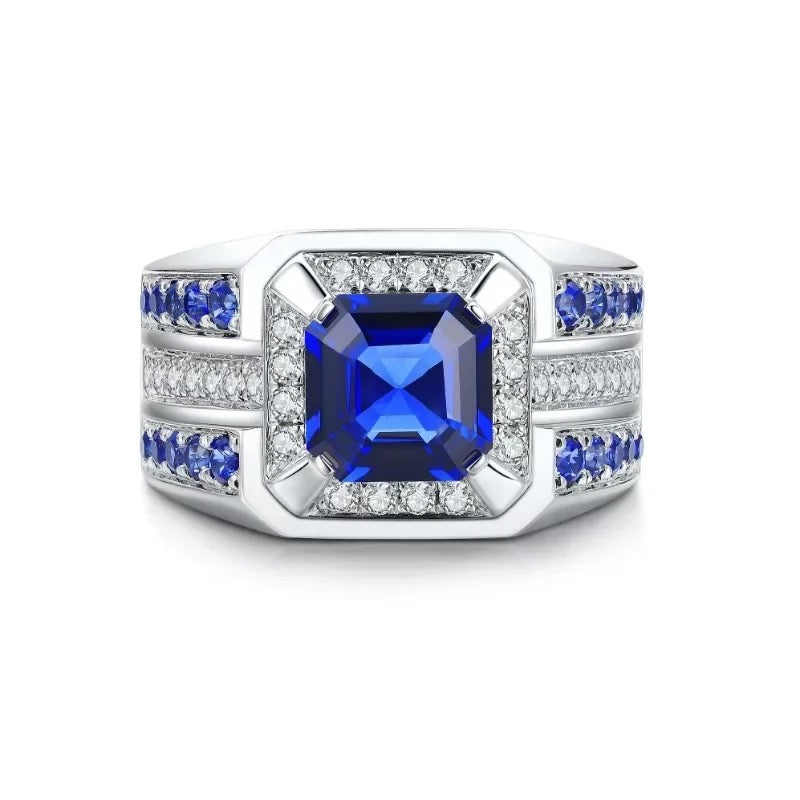
A push present ring is a solitaire or halo setting, often featuring a birthstone or a diamond/moissanite, given as the primary token. Many couples opt for a classic four‑prong diamond surrounded by a halo of tiny accent stones, while others select a custom band engraved with the baby’s initials or a meaningful phrase. The ring can be worn on the left hand as a daily reminder of the birth, or kept in a jewelry box for special occasions, depending on the mother’s preference.
Why push present?
It acknowledges the physical and emotional labor of childbirth and gives a lasting reminder of that milestone. The act of gifting jewelry transforms an intangible experience—pain, endurance, love—into a visible, wearable symbol that can be cherished for years. This recognition can also reinforce the partner’s support, fostering a deeper sense of appreciation within the new family unit.
Why give a push present?
Because a tangible, beautiful gift can reinforce love, appreciation, and the new family bond. A thoughtfully chosen piece can become a conversation starter, allowing the mother to share the story of her birth with friends and relatives, while also serving as an everyday affirmation of the partner’s gratitude and admiration.
Why is a push present important?
It provides emotional validation, creates a family heirloom, and can even boost postpartum mood by showing appreciation. Studies on postpartum well‑being suggest that gestures of recognition—especially those that are personal and lasting—can alleviate feelings of isolation and reinforce a mother’s sense of value during a vulnerable time.
Who invented push present?
No single person; the tradition grew out of 1970s American culture. It emerged from a confluence of social changes, including the rise of consumerism, the celebration of personal milestones, and a growing desire among partners to mark the profound experience of childbirth with something enduring.
Who gives push present?
Typically the birthing partner—often the husband—but friends, family, or even the mother herself can give a push present. Grandparents may contribute a piece that will be passed down through generations, while close friends might pool resources to purchase a more elaborate design. The key is that the gift comes from a place of genuine admiration and love, regardless of the giver’s relationship to the mother.
Ready to create a one‑of‑a‑kind push present that your wife will treasure forever? Message us on WhatsApp at +1 845 622 6479 for a free design consultation, price quote, and engraving options. Let Gold Shield turn your love story into a timeless piece of jewelry.