Most Durable Gems for Everyday Use – Hardness Guide
Quick summary (TL;DR):
- The most durable gemstones for everyday wear are diamond, moissanite, ruby and sapphire, rating 9–10 on the Mohs hardness scale.
- Gold Shield crafts pieces in Mexico using solid 10k, 14k, 18k gold and .925 silver, with certified karat and quality.
- We offer custom 3D design, free shipping within Mexico and U.S. shipping with payment in dollars.
- The buying process is simple: you approve the 3‑D render before production and receive an exact replica of the approved design.
- For pricing, request a quote via WhatsApp; rates vary based on gemstone, metal and design.
What is gemstone hardness and why does it matter for everyday wear?
A gemstone’s hardness, measured on the Mohs scale, determines its ability to withstand scratching, impact, and daily wear and tear. This property dictates how long the stone will retain its brilliance and clarity, as well as its ability to keep its original shape under constant friction from skin, contact with hard objects, and exposure to daily activities like typing, cooking, or working out. In practical terms, harder gemstones require less maintenance, reduce the need for frequent polishing, and minimize the risk of micro-fractures that could compromise the piece’s integrity over time.
From our experience with clients looking for jewelry that keeps up with an active lifestyle, the most requested materials are diamond, moissanite, ruby, and sapphire, which range from 9 to 10 on the Mohs scale. These stones not only maintain their fire and color under constant use but also better withstand the minor bumps that happen when setting jewelry on hard surfaces or repeatedly putting it on and taking it off.
Understanding the Mohs scale and its practical relevance
The Mohs scale classifies gemstones from 1 (softest) to 10 (hardest). Each number represents the stone’s ability to scratch the one immediately below it. For example, talc (1) is easily scratched by most minerals, while diamond (10) can only be scratched by another diamond. In practice, this translates into a clear guide for choosing the right stone based on how often you’ll wear it:
- 7–8 (e.g., emerald, topaz): Suitable for pieces worn occasionally, such as gala necklaces or earrings that are kept away from daily grind.
- 9 (e.g., ruby, sapphire, moissanite): Ideal for engagement rings, wedding bands, and bracelets worn every day, offering excellent resistance to scratching and wear.
- 10 (diamond): Practically indestructible against scratching; the preferred choice for high-use rings, like wedding bands and pieces exposed to physical activity.
Therefore, for jewelry intended for daily wear, we recommend gemstones with a minimum hardness of 8, ensuring the piece looks flawless for years without constant repairs.
Examples of durable gemstones
Here is an expanded list of gemstones that combine high hardness with other desirable qualities like brilliance, color, and availability:
- Diamond (10): Supreme brilliance, unique light dispersion, and the highest known hardness. Perfect for engagement rings, wedding bands, and pieces that must withstand constant contact with hard surfaces.
- Moissanite (9.25): Similar to diamond in brilliance and fire, but at a more accessible price point. Ideal for fashion rings, earrings, and necklaces that offer diamond-like aesthetics without the high cost.
- Ruby (9): Intense red color, high hardness, and a history of symbolizing passion and protection. Excellent for signet rings, pendants, and pieces that add a vibrant pop of color.
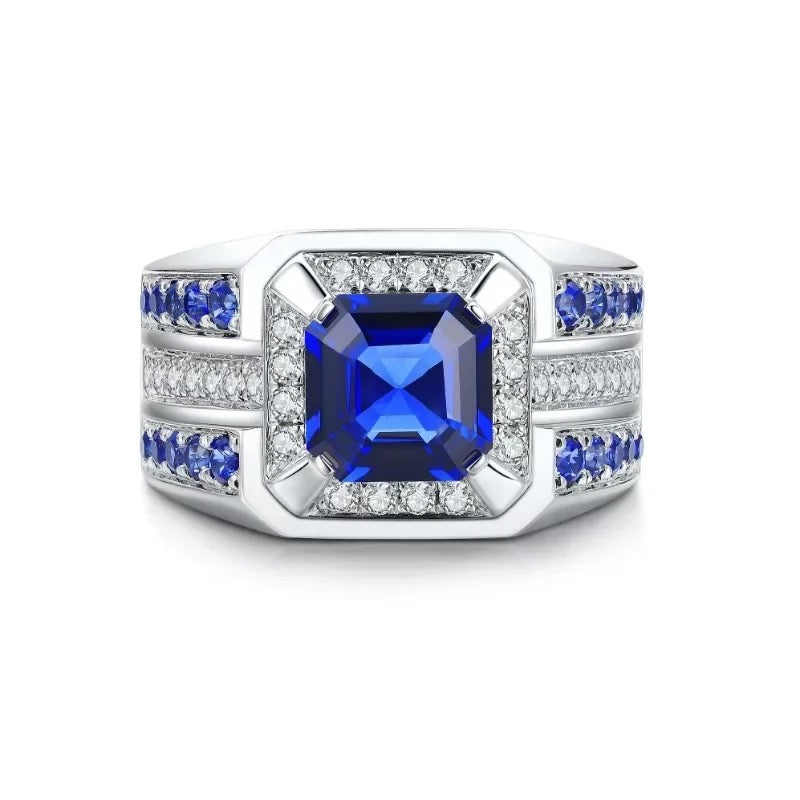
- Sapphire (9): Available in blue, pink, yellow, and other shades, offering hardness comparable to ruby and great design versatility. Widely used in classic-style engagement rings and men’s jewelry.
- Topaz (8): Available in a range of colors, from colorless to deep blue. Its hardness makes it suitable for earrings and necklaces worn frequently.
- Corundum (9): The mineral family of sapphire and ruby; includes varieties like spinel and alexandrite, which offer unique colors and durability for everyday jewelry.
These gemstones are ideal for rings, necklaces, and earrings that endure constant use, maintaining their shine and shape without needing frequent replacements.

Tanzanita Azul Violeta Natural 1.27ct Corte Octágono Tanzania — View at Gold Shield →
What Are the Most Durable Stones for Everyday Use?
At Gold Shield, we work with a wide range of certified natural stones, each with unique characteristics that go beyond hardness. In addition to scratch resistance, we consider clarity, color, light dispersion, and geological origin. Below, we describe the main varieties we offer, highlighting their specific benefits for everyday jewelry.
Is Diamond Still the Hardest Gem for Daily Wear?
Diamond is the most famous and hardest gem, with a Mohs hardness of 10. Its refractive index (2.42) and fire (dispersion of 0.044) give it unmatched brilliance. Thanks to its extreme hardness, it’s the top choice for engagement rings, wedding bands, and everyday pieces, as it resists scratches, impacts, and household chemicals. GIA or IGI certification guarantees its purity and provenance.
Can Moissanite Beat Diamond in Brilliance at a Lower Cost?
Moissanite is a lab‑grown stone made from silicon carbide, with a hardness of 9.25. It has a refractive index of 2.65, giving it even more fire than diamond. It’s a budget‑friendly alternative that maintains its sparkle for years, and its controlled manufacturing process ensures consistent quality. Ideal for fashion rings, earrings, and necklaces that want maximum shine without the diamond price.
Why Choose Ruby for a Bold, Everyday Statement?
With a hardness of 9, ruby offers a deep red that symbolizes passion and protection. Its refractive index (1.77) and hardness make it suitable for daily wear, especially in designs that want a splash of intense color. Rubies from Myanmar and Tanzania are prized for their saturation and clarity. They’re perfect for signet rings, pendants, and bracelets that want to stand out.
What Makes Sapphire a Popular Choice for Men’s and Wedding Jewelry?
Sapphire, also with a hardness of 9, comes in a wide array of colors: blue, pink, yellow, green, and colorless. Its refractive index (1.77) and durability make it a favorite for engagement rings, graduation rings, and men’s jewelry. Sapphires from Sri Lanka and Madagascar are known for their uniform color and lack of visible inclusions.
Other Durable Options: Topaz, Corundum, and More
Other stones with a hardness of 8 or higher include topaz (8), corundum (9), and spinel (8). Topaz, available in blue, yellow, and pink, offers a good balance of hardness and price, making it an excellent choice for earrings and necklaces. Corundum, the family of sapphire and ruby, includes varieties like alexandrite, which changes color under different lighting, adding a touch of surprise and elegance to everyday pieces.
What materials and quality does Gold Shield use for everyday jewelry?
In our workshop in Mexico, we blend traditional craftsmanship with cutting‑edge technology to create pieces that are not only beautiful but also durable and safe for sensitive skin. We use high‑purity precious metals and certified gemstones, ensuring each item stays flawless after years of wear. Below you’ll find the materials and quality standards we apply at every production stage.
Solid gold 10k, 14k, and 18k
Our gold comes in three different purities, each with its own benefits:
- 10k gold (41.7% pure gold): The most scratch‑ and deformation‑resistant alloy, perfect for pieces that are constantly in contact with skin and hard objects—think work rings or sturdy bracelets.
- 14k gold (58.5% pure gold): Offers the ideal balance of hardness and warm color, making it the go‑to choice for engagement rings and bands that need elegance without sacrificing durability.
- 18k gold (75% pure gold): Delivers a richer hue and greater malleability for intricate, detailed designs. Recommended for luxury items worn often but not exposed to heavy impact.
All of our metals are 100% nickel‑free and meet Oeko‑tex standards, guaranteeing they are hypoallergenic.
925 sterling silver
Our .925 silver is 92.5% pure silver with 7.5% copper or other alloys that boost strength and reduce deformation. This standard ensures a bright, long‑lasting finish—ideal for earrings, necklaces, and rings you wear daily. Plus, .925 silver polishes easily if it oxidizes, keeping its shine with minimal upkeep.
Certified natural gemstones
We work exclusively with gemstones that carry internationally recognized gemological certifications (GIA, IGI, AGS). These reports verify authenticity, origin, and optical properties, so you receive only top‑tier stones. Each gemstone includes a certification card detailing carat weight, cut, clarity, color, and any treatments.

Ópalo Negro Natural Etiopía 1.12ct Corte Marquesa — View at Gold Shield →
How to Choose the Most Durable Gemstone for Everyday Jewelry?
Picking the right gemstone goes beyond just aesthetics; it requires analyzing technical criteria that ensure your piece lasts. While hardness, measured on the Mohs scale, is the critical factor, it’s not the only one. Color, size, budget, and setting type all interact to determine the real-world durability of your jewelry in daily wear. Here is a step-by-step guide:
- Define the specific use: Engagement rings or daily-wear rings are subjected to constant bumps against hard surfaces (keyboards, tools, tables), so they require maximum protection. Necklaces and earrings have less exposure to direct impacts, allowing for some flexibility in choosing slightly softer gems, though we always recommend a minimum of 8 on the Mohs scale for any frequently worn piece.
- Choose the minimum hardness: For worry-free daily wear, look for gemstones with a rating of 8 or higher. Diamond (10), sapphire (9), and ruby (9) are the standard options for rings. Moissanite (9.25) offers exceptional resistance comparable to natural diamond, ideal for those seeking extreme durability without compromising brilliance.
- Select the color and its impact on perceived cleanliness: Saturated colors like deep blue sapphire or intense red ruby mask micro-scratches better than light or colorless tones. If you prefer light tones, prioritize a cut that maximizes internal light, as a clean, well-cut crystal reflects light better and hides minor imperfections.
- Determine the strategic size: While a larger gem is more visible, it also increases the surface area exposed to impacts and the total cost. For daily wear, a range of 0.5 to 1.0 carats usually offers the perfect balance between aesthetic presence and practicality, especially if you consider a raised setting that protects the edges.
- Review the budget and compare long-term value: Don’t just look at the initial price. A more durable gemstone may require fewer repairs and replacements over the years, making it more economical in the long run. Compare not only the cost of the gem but also the quality of the supporting metal.
Tips from Our Jewelers
At Gold Shield, we strongly recommend trying the gemstone in a test piece or visualizing it in a 3D render before the final purchase to ensure the size and color harmonize with your skin tone and personal style. Additionally, we always advise verifying the gemstone’s origin and purity certification, as well as the supplier’s reputation and transparency, to guarantee you are investing in an authentic, high-quality piece.
What Factors Affect the Price of Durable Gems?
The final cost of a piece featuring durable gems is the result of a complex interaction between the stone itself, the precious metal used, the total weight of the piece, and the intricacy of the hand‑crafted design. It’s not just about the rarity of the stone, but also the skill required to set it securely. Below is a comparative table with real figures that reflect the current market:
| Material | Purity | Durability (Mohs) | Approximate Price (USD) |
|---|---|---|---|
| Diamond | 10k | 10 | $200 - $5,000 |
| Moissanite | 10k | 9.25 | $50 - $800 |
| Ruby | 14k | 9 | $150 - $3,000 |
| Blue Sapphire | 18k | 9 | $100 - $2,500 |
Price Comparison
Prices can vary dramatically based on carat weight, cut quality, geographic origin of the gem, and color saturation. For instance, a Thai blue‑green sapphire with a unique hue may be valued differently than one from another region, even if they share the same hardness. At Gold Shield, we quote prices on a personalized basis, taking into account the final piece, the chosen metal (14k gold, 18k gold, or fine silver), and the exclusive design approved by the client, ensuring every investment reflects fair and transparent craftsmanship.

Zafiro Azul Verdoso Natural 0.98ct Corte Marquesa Tailandia — View on Gold Shield →
How does Gold Shield’s buying and customization process work?
Our process is designed to be simple, transparent, and highly collaborative, ensuring the final piece meets exactly your aesthetic and functional expectations:
- Choose a base collection: Browse our curated lines like Natural Gemstones, Women’s Gold Rings, Women’s Silver Rings, or Men’s Rings. This gives you a reference for styles, cuts, and settings already validated by our customers.
- Select the metal and specific gemstone: Work with our team to pick the metal purity (yellow, white or rose gold; fine silver) and the exact gemstone you want, considering its hardness and how it fits your lifestyle.
- Request a custom 3D render: This is the key step. We create a high‑fidelity digital simulation that lets you see the jewelry from every angle and tweak size, band thickness, or setting shape before anything is made.
- Approve the design and confirm the order: Once the render meets your complete satisfaction, we move forward with production. This guarantees no surprises when you receive the piece, as the digital design serves as the master guide for the jeweler.
- Receive your piece, identical to the render: We craft the jewelry with millimeter precision so it matches exactly what you saw in the render, delivering the promised quality and finish.
What are the benefits of Gold Shield’s process?
We guarantee the exact carat weight of the gemstone and the metal weight, eliminating the uncertainty of buying blind. We offer free shipping throughout Mexico and insured shipping to the United States with payment in dollars for our international customers. Additionally, all our metals are hypoallergenic, using high‑purity gold and fine silver that contain no nickel or other common allergens—perfect for sensitive skin.
How do I care for jewelry with hard gemstones?
While durable gems like diamonds, sapphires, and rubies are incredibly tough, the metal setting and your daily environment still require attention to preserve the piece's original sparkle and structural integrity. To keep your jewelry looking its best for years:
- Clean it regularly: Use warm water and a small amount of mild, fragrance-free soap. Soak the piece for 15-20 minutes, then gently scrub with a very soft-bristled toothbrush to remove dirt buildup under the gem, where dust and oils tend to collect.
- Avoid harsh chemicals: Keep your jewelry away from chlorine, ammonia, acetone, and industrial detergents. These substances can corrode the metal, dull the gem's surface, or weaken the setting over time, even with hard materials.
- Store pieces properly: Keep each item separate in a silk pouch or padded compartment. Although hard gems rarely scratch each other, contact with softer metals or lower-hardness gems can damage edges or the surrounding metal.
- Check the setting periodically: Visually inspect the "prongs" or setting that hold the gem. Look for signs of wear, dents, or loose prongs. A compromised setting is the number one cause of accidental gem loss, even for the hardest stones.
Expert recommendations
At Gold Shield, we recommend taking your piece in for a professional check-up with a certified jeweler every six months. During this visit, we perform a deep ultrasonic cleaning (if the gem type allows), verify the security of the settings, and make size adjustments if needed. This proactive prevention not only extends the life of your jewelry but also gives you peace of mind knowing your investment is protected and in optimal condition.
When is the best time to gift jewelry with hard gemstones?
Jewelry featuring durable gems is both an emotional and physical investment that transcends passing trends, making it ideal for significant moments that symbolize permanence and commitment. It's the perfect choice for:
- Anniversary gifts: Especially for 5th, 10th, 15th, or 25th anniversaries, where you celebrate the strength of your relationship. A sapphire or ruby ring symbolizes the enduring strength and passion in your bond.
- Corporate awards: To recognize significant achievements or employee loyalty, a fine jewelry piece with a hard gem demonstrates the value a company places on its team, offering a tangible, high-status gift that retains its worth.
- Family celebrations: For weddings, milestone birthdays (like 50th or 60th), or graduations, these pieces become family heirlooms, passing from generation to generation without deteriorating.
- Sustainable fashion choices: Choosing a hard gem and high-quality precious metal is an act of conscious consumption. A well-made, durable piece reduces the need for frequent replacements, aligning with the principles of slow and sustainable fashion.
Why choose Gold Shield
Our artisanal approach, focused on technical excellence and aesthetic beauty, combined with the certified quality of every gem and metal, ensures that the piece is not only beautiful but also built to last. When you choose Gold Shield, you're not just buying jewelry; you're acquiring a piece of Mexican jewelry history, designed to accompany you through every stage of your life with the same resilience and brilliance as the first day.
What are common mistakes when choosing gems for daily wear?
The most frequent errors include:
- Choosing gems with low hardness.
- Ignoring gem certification.
- Underestimating the necessary care.
- Selecting pieces that are too large for daily use.
How to avoid them
Consult with our jewelers, review the certification, and choose a piece of an appropriate size for your lifestyle.
Frequently Asked Questions
What are baby gold earrings?
At Gold Shield, we offer 10k, 14k, and 18k gold earrings specifically designed for babies, featuring smooth edges and safety certification.
Which gold chain is safe for babies?
We recommend lightweight 10k gold chains with secure finishes to avoid allergies.
Do we have gold cuffs for babies?
We offer 14k gold cuffs with simple, child‑safe designs.
Where can I find baby gold earrings online?
Search “baby gold earrings” on our online store and filter by 10k or 14k.
What are the prices for 10k baby gold earrings?
Prices vary by design; contact us via WhatsApp for a quote.
Are there 14k baby gold earrings?
Yes, we offer 14k gold earrings with karat certification.
Where can I buy baby gold earrings in the USA?
Gold Shield LLC ships to the USA with payment in dollars.
Where can I find baby gold earrings in Cali?
Our online store ships to any city in Mexico, including Cali.
What baby gold earrings are available in Lima?
We ship internationally to Peru with dollar payment options.
What are the best baby gold earrings with a moon shape?
We recommend 10k gold earrings shaped like moons for a delicate look.
How do I choose baby gold earrings for a girl?
Opt for soft designs, pastel colors, and rounded edges.
What baby gold earrings are available in Peru?
We offer international shipping and dollar payment options.
How much does a 1‑year‑old baby gold earring cost?
Price depends on the design; contact our team via WhatsApp for a personalized quote.
Get a quote today! Send us a message on WhatsApp at +1 845 622 6479 and discover handmade Mexican jewelry tailored to your style and needs.