Moissanita vs Zirconia vs Diamante Comparativa: Guía
Choosing between moissanite, cubic zirconia, and diamond can feel overwhelming. At Gold Shield, we’ve heard many customers wonder which is best for them. The answer depends on several factors, including budget, style, and personal preferences.
Where can I buy a moissanite vs zirconia vs diamond comparison in the US and online?
In the United States, you can shop at online jewelers like Gold Shield, which carries a full range of moissanite, zirconia, and diamond pieces—from engagement rings to fashion necklaces. Our studio is based in Mexico City, where a team of artisans blends traditional Mexican craftsmanship with cutting‑edge technology to create unique, custom pieces that match your style and specifications. Buying online gives you instant access to up‑to‑date catalogs, filters for gemstone type, cut, and metal, and the ability to compare prices and designs without leaving home.
For a seamless experience, Gold Shield provides personalized service via WhatsApp +1 845 622 6479. You can request quotes, check the availability of loose stones, or commission a custom design. Our process includes 3D renderings, color matching tests, and the option to receive the finished piece in gift‑ready packaging.
If you prefer to see the jewelry in person, visit our boutique in the historic center of Mexico City, where you can examine the quality of our gems, feel the metals, and talk directly with our designers. We also work with select retailers in Monterrey, Guadalajara, and Puebla, making it easy to shop in‑store across several regions.

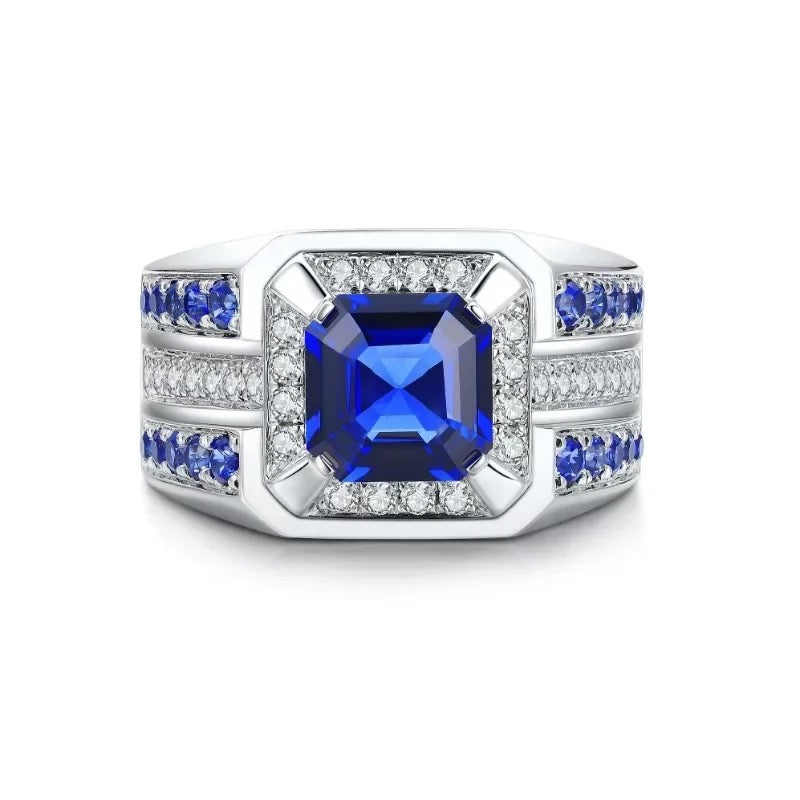
Anillo Solitario de Zirconia Corte Esmeralda 2 ct — Oro Vermeil (Plata 925 + Oro 14k) — View on Gold Shield →
What’s the difference between moissanite, cubic zirconia and diamond?
Moissanite is a lab‑grown gemstone made from silicon carbide (SiC) that mimics the brilliance and fire of a diamond. Discovered by French chemist Henri Moissan in 1893 in a meteor crater, natural moissanite is extremely rare, but the cultivated version offers flawless clarity and a refractive index of 2.65—higher than diamond’s 2.42. That extra refraction creates even more sparkle under the light.
Cubic zirconia (CZ) is a synthetic stone made from zirconium oxide stabilized with yttrium. It’s the most affordable alternative to diamond and moissanite and comes in a wide range of cuts and colors. While its hardness (8‑8.5 on the Mohs scale) is lower than diamond and moissanite, its shine is comparable and it’s slightly heavier, which can affect the look of larger pieces.
Diamond is a natural gemstone formed from pure carbon under extreme pressure and temperature deep in the Earth’s mantle. With a maximum hardness of 10 on Mohs, it’s the toughest material known, and its refractive index (2.42) and dispersion (0.044) give it the classic “fire” that has captivated people for centuries. Diamonds also come with internationally recognized certifications (GIA, IGI) that verify quality and origin.
In short, the key differences are:
- Hardness: Diamond 10 > Moissanite 9.25 > Cubic zirconia ≈ 8‑8.5.
- Brilliance & fire: Moissanite often out‑sparks diamond; cubic zirconia shines well but has less fire.
- Price: Diamond > Moissanite > Cubic zirconia (depending on carat and quality).
- Origin: Natural diamond; lab‑grown moissanite and cubic zirconia, which generally have a lower environmental impact.
How do moissanite, cubic zirconia and diamond prices compare?
Prices for moissanite, cubic zirconia and diamond depend on quality, size, color, clarity and cut. Generally, moissanite sits in the middle: pricier than cubic zirconia but far less expensive than a comparable diamond. For example, a 1 ct moissanite with VS1 clarity and D color typically costs between $1,500 and $2,500 USD, while a cubic zirconia of the same weight is usually under $200 USD.
Diamond pricing varies widely because of the “4 Cs”: Carat, Color, Clarity and Cut. A 1 ct diamond with a “Good” grade can be around $4,000 USD, whereas an “Ideal” cut, D‑color stone can exceed $10,000 USD.
At Gold Shield we work with certified suppliers and provide custom quotes. We can combine any of these stones with precious metals (10k, 14k, 18k gold or .925 silver) to fit your budget. Financing options and bundle discounts (e.g., ring + pendant) are also available.

Collar Mano de Fátima Plata 925 y Zirconia - Joyería Mexicana — View on Gold Shield →
Which gemstone is the best choice for me?
The right choice depends on personal factors like your lifestyle, ethical values, and budget. Here’s a practical guide:
- Moissanite: Perfect if you want brilliance and fire that can even outshine a diamond at a more affordable price. Its hardness (9.25) makes it durable enough for daily‑wear engagement rings. Because it’s lab‑grown, it’s also a sustainable, conflict‑free option.
- Zirconia: The most budget‑friendly pick, great for fashion jewelry, temporary pieces, or surprise gifts. Ideal for bold designs such as multi‑stone necklaces or trend‑forward rings you plan to swap out often.
- Diamond: The classic choice for those who value exclusivity, tradition, and maximum durability. If your “yes” needs to last forever and you’re looking at a long‑term investment, diamond remains the benchmark.
Concrete example: Maria, 28, wanted a vintage‑style engagement ring without spending more than $3,000. She chose a 1.2 ct princess‑cut moissanite set in a 14k gold band, achieving a high‑end look at a reasonable price. Meanwhile, Carlos, 22, needed a quick, affordable anniversary gift; he picked a pink zirconia pendant in .925 silver for under $150, which perfectly matched his aesthetic.
How can I customize jewelry with moissanite, zirconia, or diamond?
At Gold Shield we offer a full‑service customization process that blends your creativity with the precision of our workshop. The first step is a virtual or in‑person consultation where we decide the gemstone (moissanite, zirconia, or diamond), the metal (10k, 14k, 18k gold or .925 silver), and the style (classic, contemporary, Art Deco, etc.).
After the concept is approved, our designers build an interactive 3D model you can rotate, zoom, and tweak in real time. You can request size changes, add internal engravings (names, dates, coordinates) or external motifs (floral patterns, cultural symbols), and choose finishes like mirror polish, satin, or antiqued.
Once you give the green light, the piece moves to our Mexico workshop, where master jewelers use CNC machinery and traditional setting techniques to ensure the stone sits perfectly. Every item ships in a luxury presentation box, with a certificate of authenticity for diamonds or a quality guarantee for moissanite and zirconia.
Customization examples:
- A 0.75 ct moissanite engagement ring with a 14k rose gold band and an internal engraving “08/23/2026”.
- A teardrop‑shaped zirconia pendant on a .925 silver chain, paired with a tiny 10k gold charm bearing a loved one’s initial.
- A pair of baguette‑cut diamond earrings set with 18k white gold claws, inspired by Mexican colonial architecture.

Anillo Ajustable Acero Inoxidable con Zirconia Rosa/Morada — Ver en Gold Shield →
How do I buy and customize jewelry with moissanite, cubic zirconia, or diamonds?
At Gold Shield, the buying and customization process is designed to be smooth and transparent, whether you’re looking for a piece set with moissanite, cubic zirconia, or a diamond. First, start a quote by sending us a WhatsApp message at +1 845 622 6479. Our advisors will ask key questions about the gemstone you want, the metal you prefer (925 silver, 14 kt rose gold, 18 kt white gold, etc.) and the style you’re after (solitaire, halo, three‑stone, vintage, etc.). Based on your answers, we’ll send a detailed estimate that breaks down the cost of the stone, the metalwork, and any extras such as personalized engraving or size adjustments.
Once you approve the estimate, our designer‑jeweler will share high‑resolution digital sketches and, if you wish, 3‑D renders you can rotate and view from any angle. At this stage you can request design changes—switching the setting style, adding accent stones, or altering the prong, bezel or channel mount. Every tweak updates the quote instantly so you always know exactly what you’re paying for.
When the design is finalized, we move to production in our workshop, where artisans with over 20 years of experience hand‑craft each piece to international quality standards. During fabrication we keep you posted with photos of the process: stone cutting, metal polishing, and final setting. After assembly, the piece undergoes a rigorous quality inspection that includes hardness testing, gemstone certification (when applicable) and finish verification.
We ship free and insured across Mexico with real‑time tracking and luxury packaging that protects the jewelry from shocks and temperature changes. For U.S. customers, shipping is billed in dollars, also insured, and guarantees the piece arrives in perfect condition. Every order includes a warranty card and an authenticity certificate confirming the origin of the moissanite, cubic zirconia, or diamond used.
How should I care for and maintain my moissanite, zirconia, or diamond jewelry?
To keep the sparkle and integrity of your moissanite, zirconia, or diamond pieces, set up a care routine that includes regular cleaning, proper storage, and protection from harsh agents. First, clean each piece at least once a week with a soft, lint‑free microfiber cloth to remove dust and body oils. If the item is especially dirty, soak it in a bowl of warm water with a few drops of mild detergent; let it sit a few minutes, then gently rub with the cloth or an ultra‑soft bristled brush (like a baby‑tooth brush). Rinse under running water and pat dry with a cotton towel—no rubbing.
Avoid exposing the jewelry to harsh chemicals such as chlorine, perfume, alcohol‑based lotions, or household cleaners, as they can damage settings or dull the stone’s surface. For example, if you’re swimming in a chlorinated pool, it’s best to remove the piece or at least cover it with a waterproof bag. Likewise, let makeup or perfume set before putting on the jewelry to minimize contact with staining substances.
When it comes to storage, keep each piece separate in a velvet box with individual compartments or in a seamless fabric pouch. This prevents stones from scratching each other and protects settings from knocks. If you have multiple items, use a jewelry box with foam dividers that keep everything stable. Also, avoid placing the jewelry where it can get knocked around—like shirt pockets or crowded drawers.
For long‑term upkeep, schedule a visit to Gold Shield’s workshop at least once a year. Our technicians will inspect the setting, polish the stone’s surface, and, if needed, tighten the prong to keep the piece looking brand new. The inspection includes a free structural check, and any necessary repairs are offered at no extra charge.
What occasions are best for gifting moissanite, zirconia, or diamond jewelry?
Moissanite, zirconia, and diamond pieces fit a wide range of special moments, and picking the right stone can amplify the gift’s meaning. For wedding anniversaries, tradition calls for diamonds in the 5‑ and 10‑year milestones; however, a high‑quality moissanite delivers comparable fire at a more affordable price and is a sustainable, ethical alternative that many modern couples love. A moissanite engagement ring can symbolize everlasting love without compromising environmental responsibility.
Birthdays—especially milestone ones like 30, 40, or 50—are perfect for a rose‑gold‑set zirconia bracelet that adds glamour and sophistication, ideal for a woman who enjoys fashion and wants a piece that works day‑to‑night. If the recipient leads an active lifestyle, consider a flat‑profile diamond chain with a pendant that won’t snag, offering durability without losing elegance.
Weddings and quinceañeras today often feature custom designs: tear‑drop zirconia earrings or a moissanite choker engraved with the event date. At Gold Shield we can create personalized pieces that include the couple’s names or the quinceañero’s initial, turning the jewelry into a lasting memory. We also offer premium packaging—hand‑carved wooden boxes and custom message cards.
Graduations call for a diamond brooch or a moissanita bracelet as a symbol of academic achievement. Many students choose to have their graduation year engraved on the inside of the clasp for a personal touch. Finally, for Mother’s Day or Father’s Day, a zirconia wedding band for her or a diamond ring for him expresses timeless gratitude and love.
What common mistakes do people make when buying moissanite, zirconia, or diamond jewelry?
One of the most frequent errors when purchasing a piece set with moissanite, zirconia, or diamond is not thoroughly researching the gem’s quality and authenticity. Many shoppers get dazzled by the immediate sparkle and end up with a piece that doesn’t meet their expectations. It’s essential to verify the gem’s certification, request laboratory reports (such as GIA or IGI), and compare optical attributes before finalizing the purchase. The supplier’s provenance also matters: working with a trusted, experienced jeweler like Gold Shield guarantees that the stone has been inspected under 10× loupes, that cuts were evaluated by experts, and that the setting is made from high‑purity metals. This helps you avoid unpleasant surprises like a moissanite with visible inclusions or a zirconia that loses its sparkle over time.
Another typical pitfall is focusing solely on price without weighing long‑term value. For example, a very cheap zirconia may look attractive, but its lower hardness makes it more prone to scratches and to losing its “diamond‑like” shine after only a few wears. In contrast, a slightly more expensive moissanite offers hardness nearly as high as diamond and retains its fire for years, making it a smarter everyday investment.
Quick recap:
- Moissanite, zirconia, and diamond are popular jewelry options, each with distinct pros and cons.
- Moissanite is a lab‑grown stone that mimics a diamond’s look, delivering more fire and higher hardness than zirconia at a more accessible price.
- Zirconia is a cubic zirconium stone known for high surface brilliance but lower hardness and a tendency to become cloudy over time.
- Diamond is a natural carbon crystal, the hardest material on the Mohs scale, with unmatched fire, though its price varies widely based on the 4 Cs.
- Choosing the right gem depends on budget, lifestyle (daily wear vs. special occasions), and preference for natural versus synthetic stones.
| Gem | Mohs Hardness | Typical Price |
|---|---|---|
| Moissanite | 9.25 | $500‑$2,000 |
| Zirconia | 8‑8.5 | $200‑$1,000 |
| Diamond | 10 | $1,000‑$10,000 |
For more information about our collections of Zirconia Jewelry – Diamond‑Like Sparkle and Moissanite, visit our website or request a quote via WhatsApp +1 845 622 6479. Our team is ready to guide you step‑by‑step, from cut selection to setting customization, ensuring the piece you choose fits your expectations and style perfectly.
Frequently Asked Questions
Moissanite vs. diamond – which is better?
The choice between moissanite and diamond hinges on personal preference, lifestyle, and budget. Moissanite delivers intense fire and very high hardness (9.25 on Mohs), making it ideal for everyday engagement rings. Its price is considerably lower than a comparable quality diamond, allowing you to purchase a larger carat without sacrificing appearance. Diamond, as a natural gemstone, carries historic and symbolic value that many associate with eternity; its maximum hardness (10) and unique light dispersion set the benchmark for brilliance.
Practical example: If you want a 1.5‑carat engagement ring with a $3,000 budget, a 1.5‑carat moissanite will look similar to a diamond, while a 1.5‑carat diamond would far exceed that price range. Conversely, if historical significance and exclusivity are top priorities, a 0.75‑carat diamond with excellent clarity and cut may be the better investment.
Moissanite vs. lab‑grown diamond – what’s the difference?
Both moissanite and lab‑grown diamonds are synthetic, but they differ in chemistry and formation. Moissanite is silicon carbide (SiC) created under high‑pressure, high‑temperature conditions that replicate its natural extraterrestrial origin. Lab‑grown diamonds are pure carbon (C) produced via HPHT (high pressure, high temperature) or CVD (chemical vapor deposition), mirroring the crystal structure of natural diamonds. Physically, lab‑grown diamonds share the same hardness (10) and light dispersion as natural diamonds, while moissanite offers a higher refractive index (2.65 vs. 2.42), resulting in more vivid fire under direct light.
In practice, if you want the exact performance of a natural diamond at a lower cost, a lab‑grown diamond is the closest match. If you prefer a stone with extra “flame” and slightly lower hardness, moissanite is ideal.
How do moissanite and diamond prices compare?
Prices for moissanite and diamond vary based on quality, carat weight, and specific characteristics such as cut, clarity, and color. Generally, moissanite is more affordable because its production is fully controlled and doesn’t rely on mining, which lowers supply costs. For instance, a 1‑carat moissanite with good cut and clarity typically costs $800‑$1,200, whereas a comparable 1‑carat diamond (excellent cut, VS1 clarity, G color) ranges from $4,000‑$6,000.
This price gap lets buyers achieve a larger visual size or a more elaborate setting without breaking the budget. The gap widens as carat weight increases, since larger diamonds become exponentially scarcer than moissanite.
Moissanite vs. diamond vs. zirconia – which should I choose?
Moissanite, diamond, and zirconia each serve different buyer priorities. Moissanite combines high hardness (9.25), excellent fire, and a mid‑range price, making it great for pieces that need durability and standout sparkle. Zirconia is the most budget‑friendly and offers a very high surface shine, but its lower hardness (8‑8.5) makes it more susceptible to scratches and loss of brilliance over time. Diamond, with a hardness of 10 and unmatched light dispersion, remains the premium choice for those seeking a natural gem with resale value and historic prestige.
Concrete example: A three‑stone (triple) engagement ring with a center stone and two side stones on a $3,500 budget could feature a 0.75‑carat moissanite center and two 0.25‑carat zirconia side stones, delivering balanced sparkle without exceeding the limit. By contrast, an all‑diamond version would only allow a 0.30‑carat center stone with 0.10‑carat side stones.
Moissanite vs. lab‑grown diamond vs. natural diamond – what’s the trade‑off?
Moissanite, lab‑grown diamond, and natural diamond represent three distinct paths for gemstone selection. Moissanite is a synthetic silicon carbide stone known for intense fire and an affordable price. Lab‑grown diamond is pure carbon created in a lab, offering optical properties identical to natural diamond but at a significantly lower cost and with a smaller environmental footprint. Natural diamond is mined from the earth, carrying millions of years of geological history and consequently higher market and resale value.
Imagine you want a 1‑carat engagement stone with a $5,000 budget. Options could be:
- Moissanite 1 carat: $900‑$1,200 – superior fire and high durability.
- Lab‑grown diamond 1 carat (excellent cut, VS1 clarity, G color): $3,500‑$4,200 – same optical performance as a natural diamond.
- Natural diamond 1 carat (excellent cut, VS1 clarity, G color): $8,000‑$12,000 – exceeds the budget.
This comparison shows how the choice impacts both visual appeal and economic investment.
Moissanite vs. diamond – which has more sparkle?
Both stones have high refractive indices, but moissanite’s is slightly higher (2.65 vs. 2.42 for diamond). This results in more visible fire: moissanite disperses light across a broader spectrum, creating brighter, more colorful flashes under direct illumination. Diamond, however, offers greater internal reflection and a subtler dispersion, giving it a “purer” brilliance and classic look. In natural daylight, diamond may appear calmer and more elegant, while moissanite shines especially well under artificial or stage lighting.
In practice, if your lifestyle includes nighttime events or spotlighted venues, moissanite can deliver a more dramatic visual impact. If you prefer a timeless, understated sparkle, diamond remains the benchmark.
What are the key differences between moissanite and diamond?
Differences span chemical composition, physical properties, and market considerations. Moissanite is silicon carbide (SiC) produced in a lab under high‑pressure, high‑temperature conditions, whereas diamond is pure carbon (C) that can be natural or lab‑grown. On the Mohs scale, moissanite scores 9.25, just below diamond’s 10, meaning it’s extremely hard but not completely scratch‑proof. Optically, moissanite has a higher dispersion (more fire) and a higher refractive index, resulting in more vivid flashes. Price‑wise, moissanite is typically 5‑10 times cheaper than a comparable diamond, allowing larger sizes for the same spend.
Culturally, diamonds are tied to traditional engagement symbolism and luxury, while moissanite is viewed as a modern, sustainable alternative favored by environmentally conscious consumers.
Moissanite vs. lab‑grown diamond – which should I pick?
Both stones are created in controlled environments, yet their technical characteristics differ. Lab‑grown diamond shares the exact crystal structure and chemistry of natural diamond, so its optical properties (refractive index, fire, hardness) are identical. Moissanite, though also synthetic, is silicon carbide, giving it a slightly higher refractive index and more pronounced fire. In durability terms, lab‑grown diamond beats moissanite with a hardness of 10 versus 9.25.
From a consumer standpoint, the decision often comes down to desired visual style (more fire vs. maximum hardness) and how you value the “origin” of the gem. If you want the same look and durability as a natural diamond at a lower price, a lab‑grown diamond is the clear choice. If you’re after extra sparkle and a vibrant aesthetic, moissanite is very appealing.
To request a quote from Gold Shield, message us on WhatsApp +1 845 622 6479. We’re here to help you find the perfect moissanite, zirconia, or diamond piece, offering personalized guidance, quality testing, and customization options that match your style and budget.